
Blooming
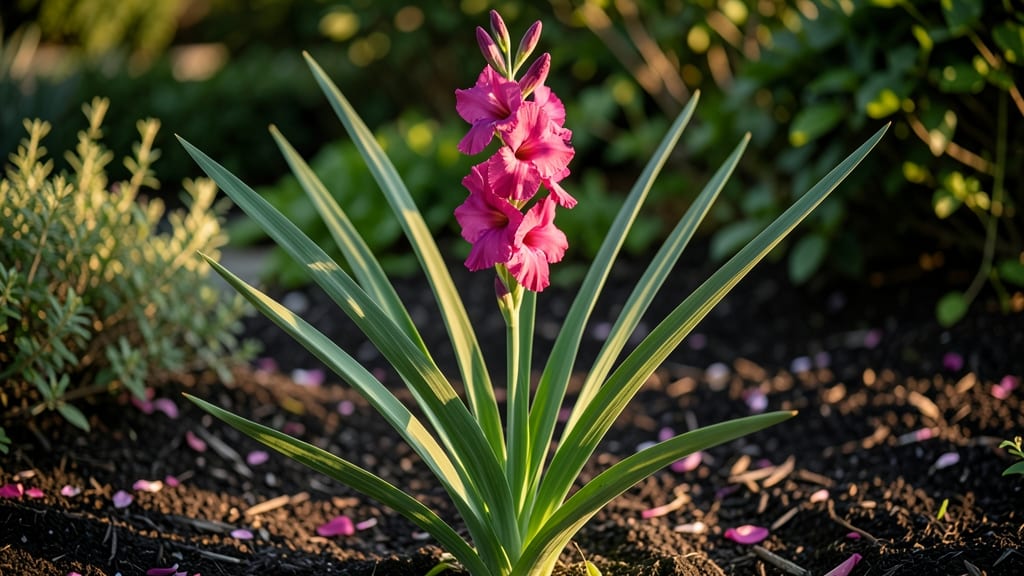
Understanding gladiolus heat-zone requirements for optimal flowering
Gladiolus plants thrive when planted in the right heat zone, as their flowering period is directly influenced by temperature. These stunning summer bloomers need specific conditions to trigger bud formation and full bloom.
In cooler zones, you’ll see earlier blooms, while warmer climates push flowering later into fall. Understanding your USDA heat zone helps predict bloom timing and adjust care for peak performance.
Gladiolus corms are not frost-tolerant and struggle in zones below USDA Zone 7. In colder regions (Zones 5-6), they must be planted after the last frost and dug up before winter.
Warmer zones (8-11) allow year-round growth with proper watering. Each zone also affects the ideal planting window, which directly impacts when you’ll see those signature spike-like blooms.
| USDA Heat Zone | Cold-Hardiness Limit | Ideal Planting Month | Bloom Period | Key Temperature Trigger |
|---|---|---|---|---|
| Zones 5-6 | 20-10°F (-6 to -12°C) | April-May (after frost) | July-August | Soil 60°F (15°C) |
| Zone 7 | 0-10°F (-18 to -12°C) | March-April | June-July | Soil 55°F (13°C) |
| Zones 8-9 | 10-20°F (-12 to -6°C) | February-March | May-June | Soil 65°F (18°C) |
| Zones 10-11 | 25-40°F (-4 to 4°C) | January-February | April-May | Soil 70°F (21°C) |
In Zones 5-6, the cool spring delays growth until soil warms to 60°F (15°C). This often results in a July-August bloom window. Planting too early risks frost damage, while late planting may cut bloom time short. Use black plastic mulch to warm soil faster in these regions.
Gardeners in Zone 7 enjoy a longer growing season, with blooms typically appearing in June-July. The 0°F tolerance allows for slightly earlier planting, but avoid exposing corms to hard freezes. A light frost can damage emerging shoots, so monitor weather forecasts closely during spring transitions.
Warmer climates like Zones 8-9 produce earlier blooms, often by May-June. The 10°F cold tolerance means minimal frost risk, but heatwaves can stress plants. Provide afternoon shade during peak summer to prevent bud drop. These zones also benefit from staggered planting for continuous color.
In the hottest zones (10-11), gladiolus bloom as early as April-May, but heat stress becomes a major concern. The 25°F tolerance is rarely tested, so focus on shade cloth and consistent moisture. Overhead watering can cause fungal issues, so use drip irrigation instead.
Each growth stage—sprouting, leafing, and flowering—has an ideal temperature range. Sprouting needs 55-65°F (13-18°C), while flowering thrives at 70-80°F (21-27°C). Extreme heat above 90°F (32°C) can stunt blooms, while cold snaps below 50°F (10°C) slow growth.
To maximize blooms, align planting with your zone’s last frost date and soil temperature triggers. In cooler zones, use row covers to extend the season. Warmer zones may need shade protection during peak heat. Adjusting care based on your heat zone ensures vibrant, long-lasting gladiolus spikes every season.
Pro tip: Track your local heat zone and soil temps using a garden thermometer. This data helps fine-tune planting times for perfect bloom timing year after year. 🌸
How to adjust planting dates by heat zone for maximum blooms
Timing your gladiolus planting correctly by heat zone can transform your garden from a short summer display to a prolonged bloom extravaganza. The key lies in matching your local climate with the plant's precise temperature triggers.
For example, gardeners in Zone 5 might see blooms in late July, while those in Zone 10 could enjoy flowers as early as April. Let's break down the exact planting calendar for each zone.
Your last frost date and soil temperature are your best friends when planning. Gladiolus corms won't sprout until soil reaches 55°F (13°C), but optimal growth begins at 60°F (15°C) or warmer.
Use a soil thermometer to verify readiness - this simple tool can add weeks to your bloom season by preventing premature planting.
| USDA Zone | Planting Window | Soil Temp Trigger | Bloom Period | Special Notes |
|---|---|---|---|---|
| Zones 5-6 | April 15-May 15 | 60°F (15°C) | July 15-August 15 | Use black plastic mulch |
| Zone 7 | March 15-April 15 | 55°F (13°C) | June 15-July 15 | Monitor for light frost |
| Zones 8-9 | February 15-March 15 | 65°F (18°C) | May 15-June 15 | Provide afternoon shade |
| Zones 10-11 | January 15-February 15 | 70°F (21°C) | April 15-May 15 | Use drip irrigation |
For Zones 5-6, calculate your last frost date and plant 4-6 weeks after when soil reaches 60°F (15°C). In my Zone 5b garden, I've found that planting on May 1st guarantees blooms by mid-July.
The secret? Black plastic mulch raises soil temperature by 5-10°F, accelerating growth. Remove it once sprouts appear to prevent overheating.
Gardeners in Zones 8-9 have the advantage of earlier planting and longer bloom seasons. I recommend planting in late February for May blooms, but be prepared for heat stress if temperatures exceed 90°F (32°C).
My trick? Install 30% shade cloth during peak afternoon sun to protect developing buds without stunting growth.
In Zones 10-11, the challenge shifts to preventing heat damage rather than frost. Plant in January for April blooms, but maintain soil moisture at 60-70% capacity to prevent bud drop.
I've had success using drip irrigation on timers set for early morning watering, which mimics natural rainfall patterns and reduces fungal risks.
Pro tip: For continuous blooms, try staggered planting by spacing corms 2-3 weeks apart. In my Zone 7 garden, this technique extends the bloom period from 6 weeks to nearly 3 months.
Just remember to adjust watering frequency as new plants emerge - younger corms need more frequent watering than established ones.
Always verify your local heat zone using the USDA Plant Hardiness Zone Map, as microclimates can create 5°F variations within short distances. For example, my south-facing garden bed might be Zone 6b while the north side remains Zone 5b.
Use this knowledge to fine-tune your planting schedule for perfect bloom timing every season. 🌸🌿