
Blooming
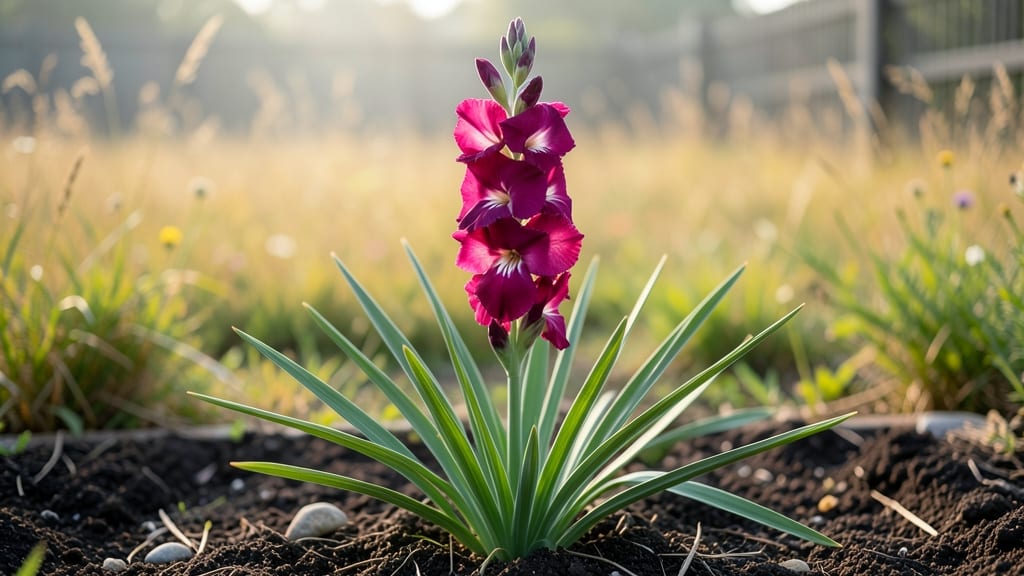
If you're craving a garden that pops with dramatic, towering 🌸 gladiolus spikes during the flowering season from summer through fall, timing your planting is the key to success.
These showstopper blooms thrive in precise windows that shift dramatically depending on where you live—plant too early or late, and you might end up with empty stems instead of vibrant color.
For most gardeners in USDA Zone 6a, the ideal planting window is April through May, just after the last frost. This ensures your gladiolus will burst into bloom between July and September, when summer heat and long daylight hours trigger their spectacular flowering.
But here's the catch: regional variations mean your neighbors in warmer zones might see blooms as early as June, while cooler areas could stretch flowering into October.
What if you want to extend that bloom time even further? The secret lies in strategic planting and variety selection. By choosing early-, mid-, and late-season types, you can create a continuous display that keeps your garden lively from early summer right through the fall.
Plus, a few simple care tweaks—like proper soil prep and consistent watering—can make all the difference in keeping those blooms vibrant and abundant.
Ready to transform your garden into a parade of color? I'll walk you through exactly how to time your planting, pick the right varieties, and care for your gladiolus so they put on their best show. Let's dive in!
Gladiolus flowering season by USDA Zone: month-by-month bloom guide
Gladiolus corms are temperature-sensitive and bloom based on daylight hours and soil warmth. In cooler zones (3-6), expect shorter bloom seasons, while warmer zones (7-11) enjoy extended displays.
The key is planting at the right time—too early, and cold soil stunts growth; too late, and you miss peak summer color. Let’s break down exactly when to expect those dramatic spikes in your region.
Gladiolus flowering follows a predictable pattern once planted correctly. Most varieties need 60-90 days from sprouting to bloom, but this varies by USDA zone and cultivar selection.
Early bloomers like 'Early Flowering' varieties can appear as soon as June in Zone 7, while late-season types like 'Green Star' may not peak until September in Zone 10. Understanding these windows helps you plan for continuous color.
In USDA Zones 3-5, where winters are harsh, gladiolus flowering is highly compressed into July and August. The shorter growing season means you’ll need to focus on early-maturing varieties like 'Peter Pears', which can bloom as early as June if planted in early May.
Soil temperatures must reach 60°F (15°C) before planting, or growth will stall. Use black plastic mulch to warm the soil faster.
Gardeners in Zones 6-7 enjoy the longest bloom windows, from June through September. This is ideal for succession planting: plant early varieties in May, mid-season in June, and late types in July to stretch your display.
The 14-15 hour daylight trigger in these zones ensures reliable blooming, provided you plant 4-6 weeks before your last frost date.
Warmer climates in Zones 8-9 push gladiolus flowering to earlier and later extremes. In Zone 8, you can see blooms as early as May with 'Picasso', while Zone 9 gardeners might enjoy flowers until October.
The longer daylight in these zones (up to 14 hours) means some varieties may rebloom if given proper care. Plant in fall for winter blooms or spring for summer displays.
Tropical and near-tropical Zones 10-11 offer year-round potential, though gladiolus typically prefers cooler temperatures for dormancy. Plant in fall (September-October) for spring blooms or in winter (January-February) for summer flowers.
Varieties like 'White Friendship' can bloom until November in these zones, but heat stress above 90°F (32°C) may cause bud drop.
To maximize your gladiolus flowering season, choose the right varieties for your zone and plant
How to extend your gladiolus flowering season with smart planting
Want a garden that stays vibrant from early summer through fall? The secret to extended gladiolus blooms lies in strategic planting and variety selection. Most gardeners plant all their corms at once, leading to a single 4-6 week bloom window.
But with the right approach, you can stretch that into 10+ weeks of continuous color. The key is planting early-, mid-, and late-season varieties in staggered batches, ensuring fresh blooms as old ones fade.
Start by choosing three bloom-time categories—early, mid, and late—each with distinct planting windows. Early bloomers like 'Primo' and 'White Prosperity' should go in first, followed by mid-season favorites such as 'Green Star' and 'Picasso', and finally late-season varieties like 'Black Pearl' or 'Pink Parfait'.
This simple rotation keeps your garden looking full and dynamic, rather than a single burst of color that fades too quickly.
| Variety Type | Bloom Time | Planting Window | Color Palette |
|---|---|---|---|
| Early Season | June-July | March-April (Zone 6a) | White, Pink, Yellow |
| Mid Season | July-August | April-May (Zone 6a) | Red, Orange, Purple |
| Late Season | August-September | May-June (Zone 6a) | Black, Deep Purple, Bi-color |
Microclimates play a huge role in staggered blooming. If your yard has sunny spots and shadier areas, use them to your advantage. Plant early bloomers in the sunniest location—they’ll kick off the season and benefit from maximum light.
Move mid-season varieties to a spot with partial afternoon shade to prevent wilting during peak heat. Late-season types can handle cooler mornings and thrive in slightly shadier conditions as summer wanes.
Don’t overlook soil temperature—gladiolus corms need 60°F+ soil to sprout. In cooler zones like USDA Zone 6a, wait until mid-April to plant early varieties, even if the air feels warm. Use a soil thermometer to check depth—if it’s below 60°F, delay planting by a week.
For late-season bloomers, you can push planting into early June in most regions, as they’ll still produce strong stems before fall.
To maximize bloom duration, pair your planting strategy with consistent care. Water deeply every 3-5 days during dry spells, focusing on the soil base rather than the leaves. Feed with a balanced 10-10-10 fertilizer every 4-6 weeks starting when shoots emerge.
Deadhead spent blooms promptly to redirect energy into new growth, and stake taller varieties to prevent flopping in wind or rain.
With these techniques, your gladiolus will bloom in waves, creating a nonstop garden party from June through September. The best part? You’ll get longer vase life for cut flowers, as each variety’s peak bloom aligns with optimal freshness.
Try it this year—your garden (and your neighbors!) will thank you for the extended show of color. 🌸