
Blooming
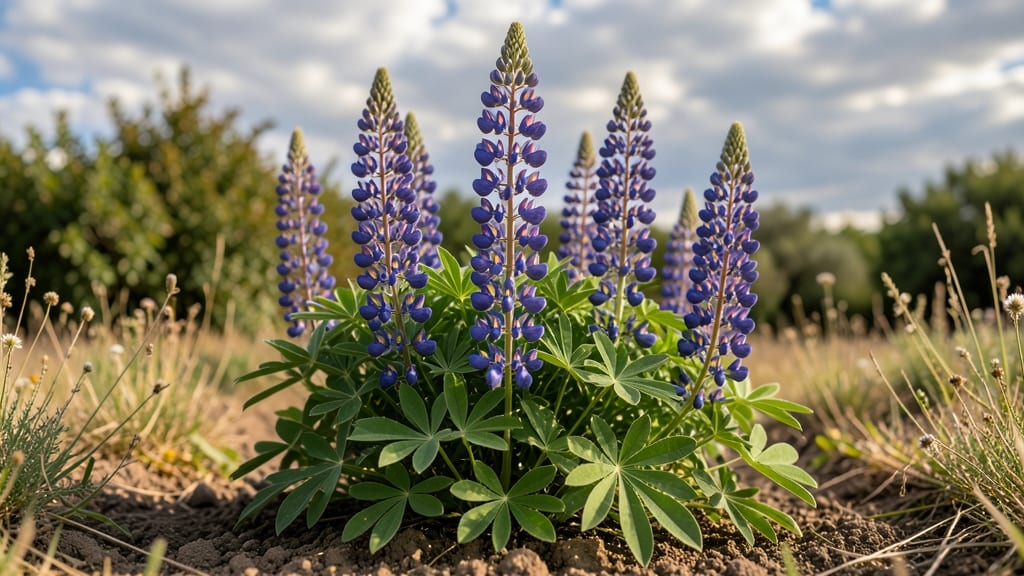
If you’ve ever wished for your garden to burst into vibrant tall purple-blue spires that turn heads every lupine flowering season, timing your planting is the key to unlocking that dream.
The flowering season for these showstopping plants is short—just 4-6 weeks—and missing it means waiting another year for that fairy-tale display.
Lupines, with their striking 🌸 blooms, thrive in USDA Zone 6a and beyond, but their exact flowering window depends on where you live.
Whether you’re in the Pacific Northwest or the Southern states, knowing the right months to plant ensures you’ll catch their peak bloom in late spring or early summer.
What if you could extend that stunning display? With the right care—like proper sunlight, soil prep, and a few simple tricks—you can coax lupines into blooming longer. I’ll show you how to make the most of their short but spectacular season, so your garden stays vibrant from March through June.
From choosing the right varieties to understanding regional differences, this guide will help you plan for a garden that’s always in bloom. Let’s dive in and make sure your lupines put on their best show!
When do lupines bloom by USDA plant hardiness zones? Exact months revealed
Timing your lupine blooms means knowing your USDA zone—these spring ephemerals can flower as early as March in Zone 8 or as late as June in Zone 3.
The difference between Pacific Northwest and Southern gardens can be 6+ weeks, so let’s break it down by zone to ensure you don’t miss their stunning 4-6 week display.
Lupines thrive in cool weather, so late-spring frosts in colder zones delay blooms, while mild winters in warmer zones push them earlier.
For high-altitude gardens (e.g., Colorado or Montana), lupines often bloom 2-3 weeks later than their lowland counterparts due to cooler temperatures. Adjust your expectations: a Zone 5 lupine in Denver might flower in late May, while one in Zone 5 Wisconsin could bloom in early May.
Microclimates matter—urban heat islands can advance blooms by 10 days, while coastal fog may delay them.
Early-spring varieties, like Lupinus perennis (wild blue lupine), often bloom 4-6 weeks earlier than tall garden hybrids like Lupinus polyphyllus. In Zone 7, expect L. perennis to flower in April, while L. polyphyllus peaks in May-June. This staggering of bloom times lets you extend your lupine season by planting multiple varieties.
Regional variations create dramatic shifts: In Pacific Northwest zones (6-8), lupines often bloom in late April to early June, aligning with rainy spring conditions. Meanwhile, in Southern states (Zones 8-10), blooms stretch from February to April, sometimes reblooming in fall with cooler weather. Drought-prone areas like Arizona (Zone 9) may see shorter bloom windows unless irrigated.
| USDA Zone | Typical Bloom Window | Early Varieties | Late Varieties | Regional Notes |
|---|---|---|---|---|
| Zones 3-4 | Late May - Early July | Lupinus perennis (April) | Lupinus polyphyllus (June) | Cooler climates; blooms delayed by frost risk. |
| Zones 5-6 | Mid-April - Late June | Lupinus arboreus (April) | Lupinus nootkatensis (June) | Pacific Northwest blooms earlier; Midwest later. |
| Zones 7-8 | March - May | Lupinus perennis (March) | Lupinus polyphyllus (May) | Southern gardens may rebloom in fall. |
| Zones 9-10 | January - March | Lupinus arboreus (Jan) | Lupinus mutabilis (March) | Drought stress shortens bloom time; irrigate. |
| High Altitude (Zones 3-7) | Late April - Late June | Lupinus nootkatensis (May) | Lupinus polyphyllus (June) | Cooler temps delay blooms by 2-3 weeks. |
If you’re in Zone 9 or 10, lupines often bloom in winter or early spring—a rare treat for gardeners craving color during off-season months.
For example, Lupinus arboreus (tree lupine) can flower as early as January in Southern California, while Lupinus mutabilis (Andean lupine) stretches blooms into March.
In Zone 5 or colder, focus on hardy varieties like Lupinus perennis, which tolerates light frosts and blooms reliably in late April.
For high-altitude gardens (e.g., 1,000+ feet elevation), lupines may need extra protection from late frosts. In Zone 6 Colorado, I’ve seen lupines delay blooming until mid-June if May temperatures dip.
To adjust, plant low-growing varieties like Lupinus nanus, which bloom earlier and are less affected by cool nights. Mulching with straw can also insulate roots and encourage
How to extend lupine blooms: pro tips for longer flowering seasons
Lupines are stunning, but their 4-6 week flowering season can feel frustratingly short. The good news? With the right techniques, you can extend their bloom time by 2-4 weeks.
The secret lies in understanding their needs—from soil pH adjustments to strategic deadheading—and creating ideal growing conditions that encourage continuous flowering.
One of the biggest factors is phosphorus uptake, which directly impacts flower production. Lupines thrive in slightly acidic to neutral soil (pH 6.0-7.0), but many gardeners unintentionally create alkaline conditions with compost or lime.
Testing your soil and amending it with bone meal or superphosphate can give your lupines the phosphorus boost they need for longer blooms.
- ✂️ Deadhead regularly—remove spent blooms weekly to prevent seed formation and redirect energy to new flowers.
- 💧 Water deeply 2-3x/week—lupines hate drought stress, which triggers dormancy. Aim for 1 inch of water per week.
- 🌿 Plant with pollinators—companion plants like lavender or bee balm attract bees, which boost lupine reproduction and prolong blooming.
- 🌡️ Avoid late-season fertilizing—stop feeding after July 1st to prevent new growth that won’t harden off before frost.
- 🌱 Mulch with compost—retains moisture and feeds roots slowly, supporting continuous blooms without shocking the plant.
Another game-changer is companion planting. Lupines benefit from neighbors that attract pollinators—think bee balm, coneflowers, or thyme. These plants create a pollinator-friendly ecosystem, which encourages lupines to produce more flowers. Plus, they deter pests like aphids, which can weaken your lupines and shorten their bloom time.
Your watering schedule plays a crucial role too. Lupines are drought-tolerant once established, but consistent moisture during their flowering season (spring to early summer) prevents premature dormancy.
Water deeply in the morning to reduce fungal risks and let foliage dry quickly. Overwatering or irregular watering can stress the plant, cutting blooms short.
For longer-lasting color, consider planting a mix of early, mid, and late-season lupine varieties. For example, ‘Silver Cup’ (Lupinus perennis) blooms in early spring, while ‘Russell Hybrid’ (Lupinus polyphyllus) peaks in late spring. This staggered approach ensures your garden stays vibrant from April through June without gaps.
Finally, avoid the temptation to fertilize late in the season. A light feeding in early spring with a 5-10-10 NPK fertilizer is ideal, but stop by mid-summer. Too much nitrogen late in the season promotes leafy growth at the expense of flowers, shortening your lupines’ spectacular display.
With these tips, you’ll enjoy those towering purple-blue spires for weeks longer than usual!