
Plants
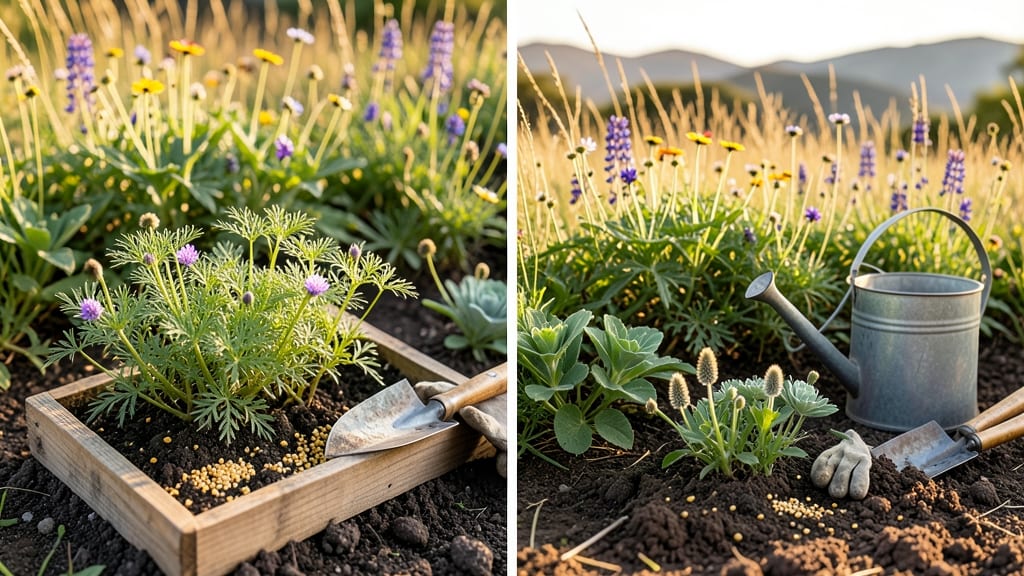
Planting wildflower seeds in Southern California at the wrong time means watching your dream meadow turn into a dusty disappointment—but get the timing right, and you’ll unlock vibrant blooms that last from spring through summer.
Here’s the secret: coastal areas like San Diego thrive with fall planting, while inland spots near Palm Springs need to wait until winter’s cooler months. The key is avoiding summer’s scorching heat, which can fry seeds before they sprout.
I’ll break down the exact months to plant based on your microclimate, plus the best native species for your zone. Whether you’re in the 9b-11 frost-free belt or a slightly cooler coastal pocket, these tips will ensure your 🌼 wildflowers take root and flourish.
Ready to transform your yard into a pollinator paradise? Let’s dive into the perfect planting schedule for your region.
Southern California wildflower planting calendar: coastal vs inland timing differences
Southern California’s wildflower success hinges on microclimate timing. Coastal areas like Los Angeles and San Diego enjoy milder winters and consistent moisture, while inland spots like Riverside and Palm Springs face hotter, drier conditions. Planting outside these windows risks poor germination or stunted growth.
Native species like California poppies and lupines thrive when sown during cooler, wetter months, but the exact timing shifts dramatically between regions. Coastal gardens benefit from fall rains, while inland areas rely on pre-winter moisture or supplemental irrigation.
🌱 Key difference: Coastal zones can plant as late as April, while inland areas must finish by March to avoid summer heat stress. Let’s break down the best months for each region.
| 🌿 Southern California Wildflower Planting Windows | ||
|---|---|---|
| Month | Coastal (LA, SD) | Inland (RS, PS) |
| September | ✅ Best for late bloomers (e.g., Sweet Alyssum) | ⚠️ Risky (hot soil, low rain) |
| October | ⭐ Optimal (cooler temps, early rains) | ⭐ Optimal (soil still warm, pre-winter moisture) |
| November | ⭐ Peak season (ideal germination) | ⭐ Peak season (cooler nights, supplemental water) |
| December | ⭐ Still good (mild coastal winters) | ⚠️ Check frost risk (light frost possible inland) |
| January | ✅ Safe (consistent moisture) | ⚠️ Limited (dry, avoid planting) |
| February | ✅ Safe (spring rains approaching) | ❌ Avoid (soil too dry) |
| March | ✅ Last chance (early spring blooms) | ❌ Too late (summer heat coming) |
| April | ❌ Too late (summer drought) | ❌ Never (extreme heat) |
| 💡 Pro Tip: Coastal areas can plant year-round for drought-tolerant species like Buckwheat, but inland gardens need supplemental watering in fall/winter. | ||
For coastal gardens, focus on October through January when temperatures stay mild and rains provide natural moisture. Species like California poppies and lupines germinate best in these conditions. Even April planting works for fast-growing annuals like Sweet Alyssum, but expect sparse blooms without consistent water.
Inland areas must plant by March at the latest to avoid summer heat stress. November and December are ideal if you use drip irrigation or rely on winter rains. Skip planting in January and February—soils dry out too quickly, and seeds often fail to sprout.
Rainfall triggers matter more than dates. Coastal zones get 30-50% of annual rain by December, while inland areas may need supplemental watering to mimic natural conditions. A light soak 2-3 times/week keeps seeds moist without drowning them.
Native species adapt to their microclimates. California poppies thrive in coastal fall plantings but struggle inland without extra moisture. Lupines, however, handle inland winters better if sown in October or November with mulch protection.
Soil temperature is critical. Coastal soils stay 55-65°F in winter, perfect for germination. Inland soils can drop below 50°F, slowing growth. Use a soil thermometer to confirm 60°F+ before planting inland.
Post-planting care differs too. Coastal wildflowers need less frequent watering once established, while inland varieties may require deep watering every 10-14 days until roots develop. Mulch helps retain moisture inland and prevent weed competition in both regions.
Timing isn’t just about months—it’s about weather patterns. Check NOAA forecasts for your area. Coastal gardeners can plant through April if rains arrive early, but inland plantings must stop by March to avoid heat stress.
Start with small test patches to refine your timing. Coastal gardens might succeed with late-season plantings, while inland areas need early, precise watering. Adjust based on bloom results—your first year’s lessons will guide future success.
How to choose the best wildflower seed mix for Southern California’s climate zones
Southern California’s three distinct climate zones—coastal, chaparral, and desert transition—each demand different wildflower seed mixes for success. The wrong choice can leave you with sparse blooms or plants struggling to survive.
I’ve planted wildflowers in all three zones, and the difference in results is night and day when you match seeds to climate.
For coastal areas like Malibu or Santa Barbara, prioritize drought-tolerant annuals mixed with perennial natives like California poppies and lupines. These thrive with moderate rainfall and cooler coastal temperatures.
Inland chaparral zones (e.g., Los Angeles foothills) need deep-rooted species like buckwheat and goldenrod, while desert transition areas (Palm Springs, Joshua Tree) demand extreme drought tolerance from varieties like desert marigold.
🌿 Wildflower Seed Mixes by Southern California Climate Zone
- 🌊 Coastal Mix: California poppy, baby blue eyes, sweet alyssum, Eschscholzia californica
- 🌳 Chaparral Mix: Lupine, buckwheat, goldenrod, Eriophyllum confertiflorum
- 🏜️ Desert Transition Mix: Desert marigold, penstemon, evening primrose, Larrea tridentata (creosote bush seeds)
Pro Tip: Always check seed packets for "native California" labels to ensure local adaptation and pollinator appeal.
Pre-mixed wildflower blends are convenient, but they often include non-native species that require more water and struggle in Southern California’s dry heat. Instead, opt for native seed blends specifically formulated for your zone.
For example, American Meadows’ "California Wildflower Mix" works well for coastal areas, while Native American Seed’s "Desert Wildflower Mix" is ideal for inland regions.
Consider bloom seasons when selecting your mix. If you want year-round color, combine fall-blooming varieties like lupines with spring/summer favorites such as California poppies. This creates a sequential bloom effect, ensuring your garden stays vibrant from October through July.
I’ve seen this strategy transform bare patches into continuous pollinator magnets.
For low-maintenance gardens, focus on perennial species that return year after year. Mixes with 50%+ native perennials (like deer grass or yarrow) reduce replanting needs and conserve water. These plants develop deep roots that tap into groundwater, making them perfect for Southern California’s water-conscious landscapes.
Finally, always read the fine print on seed packets. Look for terms like "drought-tolerant", "low-water", or "native". Avoid mixes labeled for "eastern U.S." or "Pacific Northwest"—these often include species that won’t thrive in our Mediterranean climate.
My first mistake was buying a generic "wildflower" mix from a big-box store, and it took two years to replace the non-natives with proper California species.
With the right seed mix tailored to your microclimate, you’ll enjoy lush blooms with minimal effort—and watch your garden become a haven for bees, butterflies, and hummingbirds all season long. 🌼