
Plants
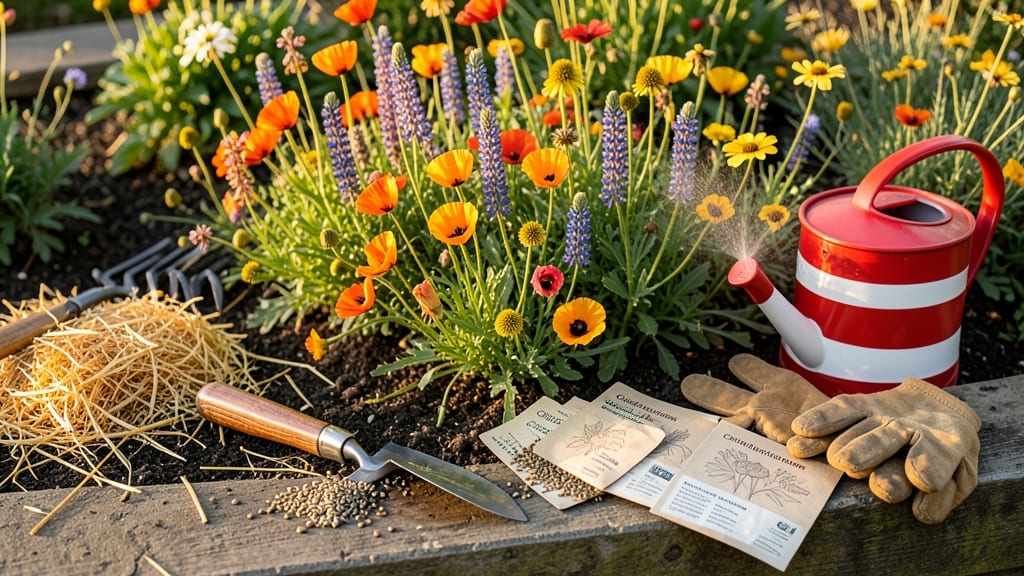
Planting wildflower seeds in California at the wrong time can turn your dream meadow into a patch of dirt—no blooms, just disappointment. The perfect timing depends on whether you're near the coast or inland, where microclimates shift everything from rainfall to frost risk.
I’ve seen firsthand how a spring planting in San Francisco’s foggy hills thrives while the same seeds fail in the Central Valley’s heat if timed wrong. The key? Understanding your zone’s unique rhythm—coastal areas benefit from early spring sowing, while inland spots often wait for fall’s cooler temps.
You’ll learn exactly when to plant for your region, plus how to adjust for drought, soil, and even the first frost dates that sneak up faster than you think. Let’s turn your garden into a vibrant wildflower haven with these pro tips.
From native species that love California’s climate to watering hacks that save you time, this guide covers everything. Ready to skip the guesswork and start planting with confidence?
Best planting months for California wildflowers by region (coastal vs inland)
California’s wildflowers thrive when planted at the right time, but the perfect window depends on whether you live near the coast or inland. Coastal areas enjoy mild, wet winters and cooler summers, while inland regions face hot, dry summers and occasional frost.
Timing your planting ensures vibrant blooms and healthy growth year after year.
For coastal regions, like San Francisco or Santa Barbara, the ideal planting window starts in late winter and extends through early spring. These areas receive consistent rainfall, reducing the need for supplemental watering.
In contrast, inland zones, such as the Central Valley or desert edges, benefit from fall planting to take advantage of winter rains and cooler temperatures.
Native wildflowers like California poppies and lupines are well-adapted to these regional differences. Coastal varieties often prefer spring planting, while inland species may need fall sowing to avoid summer heat stress. Understanding these nuances will help you create a stunning, low-maintenance wildflower meadow tailored to your local climate.
Microclimates like the Central Valley or desert edges require special attention. For example, areas near Sacramento or Bakersfield may experience earlier frosts or hotter summers, shifting planting windows slightly. Always check your USDA hardiness zone and local weather patterns for the most accurate guidance.
| Region | Best Planting Months | Key Conditions | Native Species |
|---|---|---|---|
| Coastal (e.g., San Francisco, Santa Barbara) | Late February - April | Mild temps, consistent rainfall | California poppy, lupine, tidy tips |
| Inland (e.g., Central Valley, desert edges) | September - November | Cooler temps, winter rains | Blue-eyed grass, goldenrod, fiddleneck |
| Desert Edges (e.g., Joshua Tree, Palm Springs) | October - December | Minimal frost risk, sparse rainfall | Desert marigold, brittlebush, penstemon |
| Mountain Foothills (e.g., Sierra Nevada) | April - May | Cooler nights, spring showers | Sierra shooting star, mountain bluebells |
If you’re planting in coastal areas, aim for late February to April to align with natural rainfall patterns. This timing ensures seeds germinate before summer drought sets in. For inland regions, sow seeds in September or October to allow them to establish roots before winter rains arrive.
For desert edges, like those near Joshua Tree or Palm Springs, plant in October or November to avoid extreme summer heat. These areas often have sparse rainfall, so consider using mulch or drip irrigation to support young seedlings.
Always choose drought-tolerant species like desert marigold or brittlebush for best results.
In mountain foothills, such as the Sierra Nevada, plant in April or May when soil temperatures warm up. These regions experience cooler nights and spring showers, creating ideal conditions for wildflower growth. Species like Sierra shooting star thrive in these environments.
Before planting, prepare your soil by removing weeds and loosening the top layer. Wildflowers prefer well-draining soil and full sun exposure, so choose a location that receives at least 6 hours of sunlight daily. Avoid over-fertilizing, as wildflowers often grow best in poor, nutrient-deficient soil.
Once planted, water lightly to keep the soil moist but avoid overwatering. Most wildflowers are drought-tolerant once established, so reduce watering after the first few weeks. With the right timing and care, your wildflower garden will burst into color, attracting pollinators and adding beauty to your landscape.
🌱
How to adjust planting time for rainfall, soil, and microclimates
California’s wildflower seeds need more than just the right month—they demand a tailored approach based on your local rainfall patterns, soil composition, and even the microclimate of your backyard.
I’ve learned that a coastal garden in San Diego thrives with spring planting, while inland areas like Fresno often need a fall start to beat summer heat. Let’s break down how to fine-tune your timing for success.
First, consider your soil type. Sandy soils dry out fast, requiring earlier spring planting to capitalize on winter moisture. Clay soils, on the other hand, stay wet longer, so you might delay until late spring to avoid overwatering risks.
I always test my soil’s drainage by doing a simple jar test—if water drains within an hour, it’s too fast for most wildflowers.
Next, factor in rainfall reliability. In drought-prone areas like the Central Valley, I’ve had the most success with fall planting. The cooler temps and occasional rains give seeds a head start before summer’s dry spell.
For coastal regions with consistent winter rains, spring planting works best—just aim for March or April when the ground warms up.
🌱
⚠️ Microclimate Mistakes to Avoid
Planting wildflower seeds in shady microclimates (like under trees) delays germination by 30-50%. Even a 10-degree temperature difference between your yard and the official USDA zone can shift planting windows by 2-4 weeks. Always scout your garden for sun exposure hotspots and frost pockets before committing to a schedule.
Don’t overlook mulch and shade cloth as your secret weapons. In hot inland areas, a 30% shade cloth can extend your planting window by 4-6 weeks by keeping seeds cool.
I’ve used straw mulch to retain moisture in sandy soils, which lets me plant up to 2 weeks later than recommended without worrying about drought stress. Just remember to remove mulch once flowers emerge to prevent rot at the base.
For frost-sensitive areas, like the Central Coast, I plant native wildflowers like California poppies in late winter (February) to beat the first frost. These hardy species sprout quickly and handle light frosts better than annuals.
In desert-edge zones, I wait until October to take advantage of monsoon rains that trigger germination naturally.
Finally, track your local first frost dates and adjust accordingly. Most California wildflowers can handle light frosts, but if you’re in a high-elevation area, push planting to September to ensure seeds establish before winter.
Use a planting calendar from your local Cooperative Extension office—they often provide hyper-local adjustments based on recent weather patterns.
With these tweaks, you’ll turn your wildflower dreams into reality—no matter where you garden in California. 🌻