
Plants
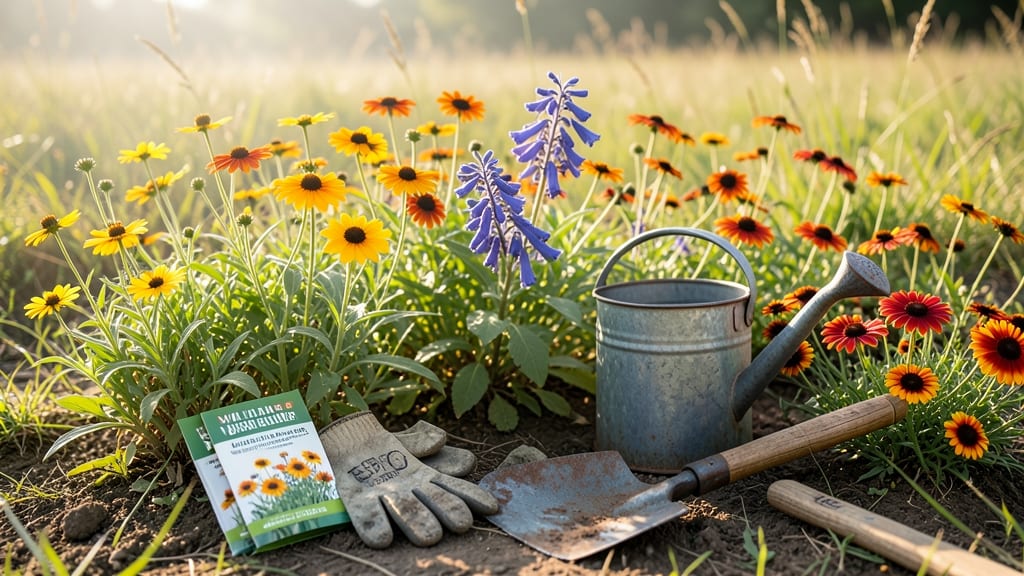
Planting wildflower seeds in Alabama at the wrong time could mean waiting years for those vibrant blooms—or never seeing them at all. The key to success lies in timing, especially when balancing the state’s 7a-8b zones and unpredictable frost dates.
Whether you’re in North Alabama’s cooler hills or South Alabama’s humid lowlands, the best planting windows are short but critical: late fall (September–November) or early spring (March–April). Too early, and frost will wipe out tender sprouts; too late, and summer heat will stunt growth before blooms even appear.
I’ve tested the most efficient methods for Alabama gardens—from preparing clay-heavy soil in the Piedmont to adapting for sandy coastal beds. By following these region-specific schedules, you’ll skip the guesswork and create a meadow that bursts into color every spring and summer.
Ready to transform your yard into a pollinator paradise? Let’s dive into the exact planting calendar that works for your corner of Alabama—no more missed opportunities, just zero-frost blooms year after year.
Alabama wildflower planting calendar by region: best months for zero-frost blooms
Alabama’s three distinct regions—North, Central, and South—each demand unique timing for wildflower success. Frost-free dates shift dramatically, with North Alabama facing last frosts in mid-April while South Alabama enjoys frost-free soil by mid-February.
Understanding these windows ensures your seeds germinate at optimal soil temperatures (60–75°F) for robust growth.
Most Alabama gardeners focus on fall planting (September–November) or early spring (March–April) to avoid summer heat stress. Perennial wildflowers like Black-Eyed Susan benefit from fall sowing, while annuals such as Cosmos thrive when planted in spring.
The key? Adjust for microclimates—even within regions, urban heat islands or sheltered valleys can shift ideal planting by 2–4 weeks.
| Region | Last Frost Date | Best Planting Window | Soil Temp for Germination | Notes |
|---|---|---|---|---|
| North Alabama (USDA 7a) | Mid-April | Fall: Sept 15–Nov 1 Spring: March 15–April 15 |
60–70°F | Cooler nights; prioritize hardy perennials like Purple Coneflower. |
| Central Alabama (USDA 7b-8a) | Early April | Fall: Sept 1–Oct 31 Spring: March 1–April 30 |
65–75°F | Moderate climate; ideal for mixed annual/perennial blends. |
| South Alabama (USDA 8a-8b) | Mid-February | Fall: Aug 15–Oct 15 Spring: Feb 15–April 15 |
70–80°F | Humid; choose drought-tolerant species like Gaillardia. |
For North Alabama, aim to plant perennial wildflowers by November 1st to establish roots before winter. Annuals like Marigolds can wait until March 15th when soil warms. In Central Alabama, the extended window lets you stagger plantings—start perennials in September and annuals in March for continuous blooms.
In South Alabama’s humidity, late-summer planting (August) avoids summer drought stress. Scatter seeds after rain or water deeply to prevent fungal issues. Pro tip: Mulch lightly with straw to retain moisture in the sandy soils common to coastal areas.
This region’s longer frost-free season (240+ days) also allows two planting cycles—fall and spring.
Regional soil temperature differences are critical. Use a soil thermometer to confirm readiness—60°F is the minimum for germination, but 70°F+ speeds up growth.
In North Alabama, wait until soil reaches 65°F in spring to avoid frost damage. South Alabama’s warmer soils let you plant earlier, but avoid July–August sowing due to heat stress.
Adjust for microclimates within your region. Urban areas (e.g., Birmingham) may experience heat islands with earlier last frosts, while rural valleys like those in Madison County stay cooler. Observe local native wildflowers—their blooming cues (e.g., Coreopsis in May) signal ideal planting times.
Fall planting offers one key advantage: seeds germinate in cool weather, establish roots over winter, and burst into bloom in spring before summer heat arrives. Spring planting, however, gives you a summer-to-fall display. For maximum impact, combine both strategies—plant perennials in fall and annuals in spring.
Don’t overlook late-summer planting (August) for South Alabama. This timing avoids summer heat while leveraging fall rains to jumpstart growth. Choose heat-tolerant species like Mexican Sunflower for this window. Always water deeply after planting to ensure seed-to-soil contact and prevent washout.
Test your soil’s pH (6.0–7.0 ideal) and amend with compost before sowing. North Alabama’s clay soils benefit from gypsum to improve drainage, while South Alabama’s sandy soils need organic matter to retain moisture. A light raking after planting ensures seeds make contact with soil without burial.
Track your success with a planting journal. Note regional variations—what works in Huntsville may fail in Mobile. Share your zero-frost blooms with local gardening groups to refine Alabama’s wildflower calendar together! 🌼
How to choose wildflower seed mixes for Alabama’s climate zones (7a-8b)
Alabama’s USDA zones 7a-8b offer a perfect canvas for wildflowers, but not all mixes thrive equally. Native species like Black-Eyed Susan and Coreopsis dominate in full sun, while drought-tolerant Gaillardia and Salvia shine in urban heat islands.
Choosing the right mix means accounting for your sun exposure, soil type, and whether you’re in North Alabama’s cooler hills or South Alabama’s humid coast.
Start by matching your seed mix type to your garden’s conditions. Full-sun mixes (6+ hours daily) include Coreopsis, Rudbeckia, and Liatris, while partial-shade mixes feature Aster, Joe-Pye Weed, and Phlox.
For urban settings, prioritize low-maintenance, pollinator-friendly varieties like Milkweed and Purple Coneflower, which tolerate compacted soil and occasional foot traffic.
Native wildflowers are your best bet for low-water, high-impact blooms. They’ve evolved to thrive in Alabama’s variable rainfall and clay-heavy soils. For example, Partridge Pea and Evening Primrose handle sandy soils near the coast, while Wild Bergamot and Butterfly Weed adapt to clay soils in the Black Belt region.
| Seed Mix Type | Best For | Key Species | Sun Needs | Water Needs |
|---|---|---|---|---|
| Native Pollinator Mix | Rural/woodland edges | Black-Eyed Susan, Coneflower, Milkweed | Full sun | Low |
| Drought-Tolerant Mix | Urban/sidewalks | Gaillardia, Salvia, Blanket Flower | Full sun | Very low |
| Partial-Shade Mix | Woodland gardens | Aster, Phlox, Joe-Pye Weed | Partial shade | Moderate |
| Coastal Mix | Sandy soils | Partridge Pea, Evening Primrose | Full sun | Low |
For urban gardens, opt for compact, fast-growing mixes like cosmos and zinnia, which bloom quickly and attract pollinators. These thrive in containers or small beds with well-draining soil.
In contrast, rural or meadow settings benefit from taller perennials like Liatris and Goldenrod, which create dramatic late-summer blooms and support wildlife habitats.
Always check the seed packet for germination instructions, as some mixes (like Milkweed) need stratification (cold treatment) to sprout. For fall planting (September–November), choose cool-season varieties like Bluebonnet and Sweet Alyssum, which establish roots before winter.
Spring planting (March–April) works best for warm-season favorites like Sunflower and Coreopsis.
Pro tip: Mix annuals (fast blooms) with perennials (long-term color) for a continuous bloom season. For example, pair annual Zinnias with perennial Coneflowers to ensure spring-to-fall interest. With the right mix, your Alabama garden will buzz with bees, butterflies, and vibrant color year after year. 🌼