
Plants
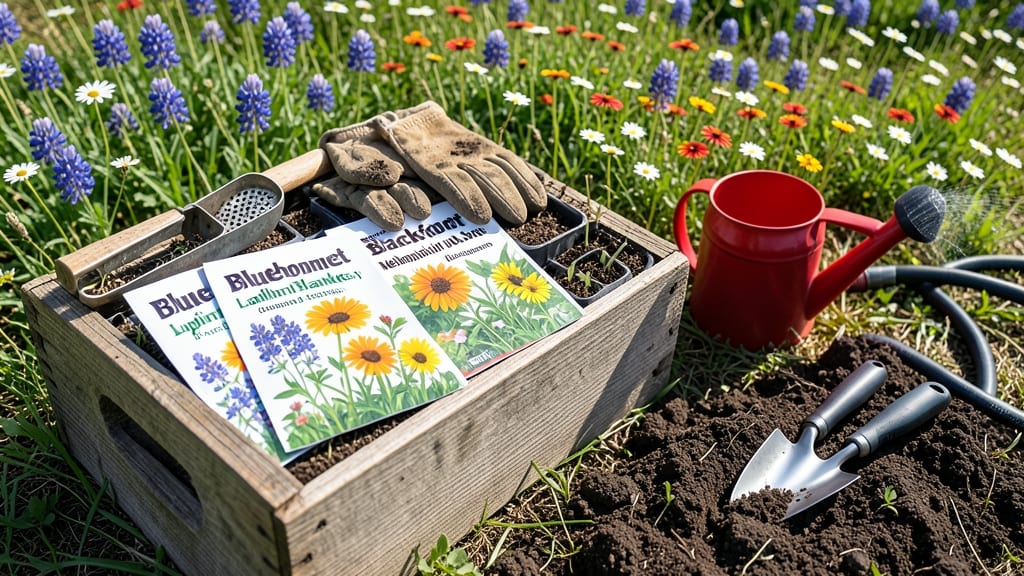
Planting wildflower seeds in Central Texas at the wrong time means waiting months—or even missing the bloom entirely. The best window for vibrant 🌼 meadows isn’t what most gardeners assume, and timing is everything in zone 8a’s unpredictable climate.
Fall planting (September–November) is actually the smartest move for Central Texas wildflowers. Why? Because seeds germinate during cooler months, avoiding summer’s brutal heat and drought. This gives them a head start for spring blooms that’ll make your neighbors jealous.
But here’s the catch: not all wildflowers thrive on the same schedule. Some need that fall start, while others prefer spring planting (March–April). I’ll break down exactly which seeds to plant when, so you never waste a packet—or a season.
Ready to transform your yard into a pollinator paradise? Let’s dive into the zero-frost planting secrets that’ll have your wildflowers blooming like clockwork, year after year.
Best planting months for Central Texas wildflowers by seed type
Central Texas wildflowers thrive when planted at the right time, but the perfect window depends on whether you’re sowing annuals, perennials, or native mixes. In USDA zones 8a–9a, frost-free periods and summer heat dictate the best months—fall for most seeds, spring for others.
Fall planting (September–November) is the gold standard for Central Texas wildflowers. Seeds germinate during cooler months, avoiding summer’s 100°F+ heat and drought. This gives them a head start for spring blooms that’ll outshine anything you’ve seen.
But here’s the key: Annuals like bluebonnets and coreopsis love fall, while perennials like black-eyed Susans prefer spring. Native mixes? They’re flexible but still follow these rules. Let’s break it down by seed type so you never plant at the wrong time.
| Seed Type | Best Planting Months | Bloom Season | Key Notes |
|---|---|---|---|
| Annual Wildflowers | September–November (fall) or March–April (spring) | Spring (March–May) or fall (September–November) | Fall planting avoids summer drought; spring planting risks heat stress. |
| Perennial Wildflowers | March–April (spring) only | Spring (April–June) or sporadic fall blooms | Establishes roots before summer; avoid fall planting for perennials. |
| Native Wildflower Mixes | September–October (fall) preferred; March (spring) backup | Spring (March–May) or fall (September–November) | Mix includes annuals/perennials; fall ensures best germination rates. |
| Bluebonnets (Lupinus texensis) | September–October (fall) | Spring (March–April) | Texas state flower; requires 60–90 days of cool weather to germinate. |
| Black-Eyed Susans (Rudbeckia hirta) | March–April (spring) | Summer (June–August) | Perennial; sow in spring for heat-tolerant summer blooms. |
If you’re in zone 9a (like Austin’s edges), you can push fall planting into early December—but stop by mid-November in zone 8a (like Waco). The soil temperature must stay above 60°F for germination, so avoid planting when nights dip below that.
Spring planting (March–April) works for perennials and late-blooming annuals, but it’s riskier. Seeds may dry out before germinating if summer arrives early. Always water deeply after sowing to help seeds establish before the heat sets in.
Pro tip: Native mixes are the easiest for beginners. They’re pre-blended for Central Texas conditions and often include both annuals and perennials. Plant them in September for a spring explosion of color that’ll last for years.
Remember, the soil prep matters just as much as timing. Clear debris, loosen the top 2 inches of soil, and mix in a light compost before scattering seeds. This ensures they make contact with moisture and nutrients.
Once planted, water gently to avoid washing seeds away. Keep the soil moist (not soggy) until sprouts appear, then taper off to encourage deep root growth. With the right timing, your wildflowers will outcompete weeds and thrive with minimal care.
Now you’ve got the perfect schedule for zero-frost blooms in Central Texas. Grab your seeds, mark your calendar, and get ready for a meadow that’ll make your neighborhood the envy of the state!
How to time your planting for zero-frost blooms in Central Texas
Timing your wildflower planting isn't just about picking a month—it's about working backward from your target bloom season while accounting for Central Texas' unpredictable climate. The key is understanding how soil temperatures, rainfall patterns, and even drought years shift your ideal planting window.
For zero-frost blooms, we're aiming for plants that emerge after the last frost (typically February 15 in zone 8a) and thrive through spring's mild temperatures.
Start by identifying your desired bloom window. Most gardeners in Central Texas want vibrant spring color (March–May) or dramatic fall displays (September–November). For spring blooms, fall planting (September–October) is your best bet—seeds germinate during cooler months, avoiding summer's heat stress.
For fall color, spring planting (March–April) works, but requires careful moisture management during establishment.
- 1. Calculate your backward timeline from your target bloom date. Most Central Texas wildflowers need 60–90 days from germination to first bloom. For spring color, plant seeds 3 months before your desired bloom date (e.g., December for March blooms).
- 2. Monitor soil temperatures—seeds need 60°F+ soil to germinate. Use a soil thermometer in September/October. If temps drop below 60°F at night, delay planting until stable warmth returns.
- 3. Adjust for rainfall patterns. Central Texas gets 70–80% of annual rain in May–September. Plant in September–October to capitalize on fall rains, or in March–April for spring showers.
- 4. For drought years, shift planting 2 weeks earlier to take advantage of residual soil moisture. Check local rainfall forecasts—if less than 2 inches of rain is predicted in 30 days, water seeds in after planting.
- 5. Use native seed mixes for flexibility. They're pre-adapted to Central Texas' climate swings and include species with varying germination times. This natural diversity helps ensure blooms even if some seeds struggle.
Don't overlook the moisture window after planting. Seeds need consistent moisture for 3–4 weeks to establish roots. In Central Texas, this means either relying on natural rainfall or setting up a drip irrigation system on a gentle timer.
The goal is to keep the top 1 inch of soil evenly moist—not soggy—during this critical period.
Pro tip: Mark your calendar 2 weeks before your target planting date to prepare the soil. Loosen the top 2 inches with a rake or hoe, remove debris, and mix in a light compost to improve water retention.
This prepped soil gives seeds the best possible start, especially in our clay-heavy Central Texas dirt.
Remember, the first frost date (around November 15 in zone 8a) isn't your only deadline. Some wildflowers, like winter vetch (Vicia villosa), actually thrive when planted in late fall for early spring blooms. These hardy species can handle light frosts once established, making them perfect for extending your bloom season.
With this timing strategy, you'll consistently achieve zero-frost blooms that transform your landscape into a pollinator paradise. The secret isn't just planting at the right time—it's understanding how Central Texas' unique climate interacts with each wildflower species' needs.
Once you master this, your meadow will become the talk of the neighborhood, year after year.