
Flowers
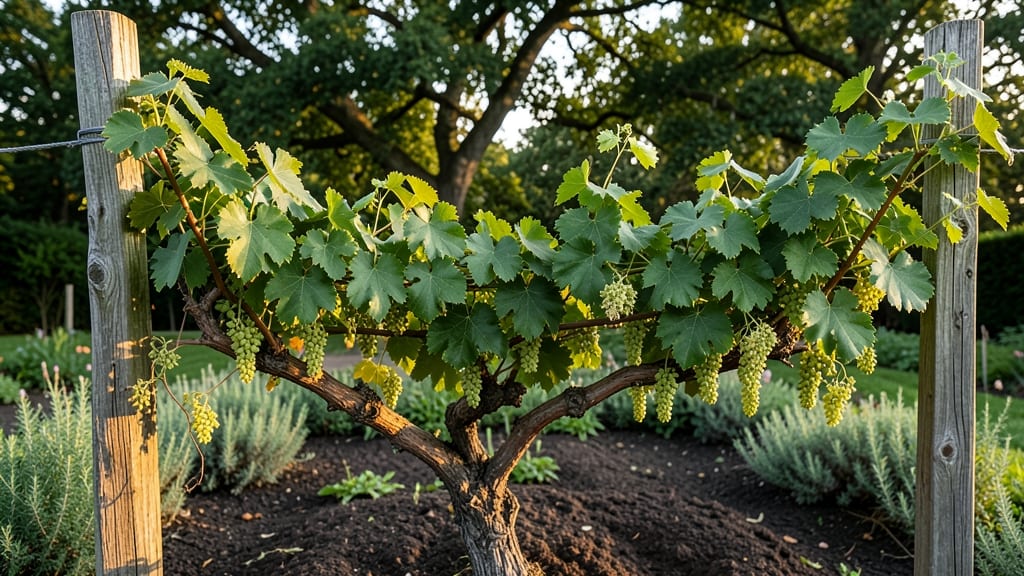
Transforming those delicate 🍇 grape flowers into plump, juicy fruit isn't just luck—it's science you can control. Without proper pollination, most grape flowers wither away, leaving you staring at empty vines by harvest time.
The good news? With the right timing and care, you can turn 90% of those blooms into a harvest that rivals your favorite vineyard.
Here’s the secret: understanding the three critical stages—from flower opening to fruit set—lets you troubleshoot problems before they happen. Whether you’re dealing with bees that aren’t showing up or environmental factors like wind or temperature, small adjustments can make a huge difference in your yield.
I’ll walk you through exactly what to watch for in Zone 6 and how to give your grapevine the best shot at success.
Ready to go from sparse clusters to a vine heavy with fruit? Let’s break down the step-by-step process, including when to prune, how to fertilize, and what to do if your grapes start dropping early.
By the end, you’ll know exactly how to turn those flowers into the harvest of your dreams—no guesswork required.
Grab your pruners and let’s get started. Your future 🍇 harvest depends on it!
How grape flowers transition to fruit: the science of pollination
Every grapevine begins its fruiting journey with delicate flower clusters that hold the promise of your harvest. But here's the catch: 90% of these flowers won't naturally develop into fruit without the right conditions.
The transformation from grape flower to fruit hinges on a precise biological process called pollination, where pollen must successfully fertilize the flower's ovules. For Vitis vinifera (wine grapes) and table grape varieties, this process involves a delicate dance between nature and cultivation practices.
The journey starts when grapevines produce perfect flowers (containing both male and female parts) in spring, typically between April and May in USDA Zone 6. These flowers open in clusters called inflorescences, revealing tiny structures that will either become fruit or drop away.
The critical window for pollination spans just 3-5 days per flower, making timing everything. Without proper pollination, your vineyard risks poor fruit set—the gardener's nightmare of sparse clusters and wasted energy.
| Stage | Key Process | Critical Factors | Timeframe |
|---|---|---|---|
| Flower Formation | Bud development into perfect flowers | Sunlight, temperature (60-75°F), water | April-May |
| Pollination | Pollen transfer to stigma | Bees (primary), wind, humidity (40-60%) | 3-5 days post-bloom |
| Fertilization | Pollen tube growth to ovules | Temperature stability, no rain | 7-10 days |
| Fruit Set | Ovary development into berries | Boron, calcium, consistent water | 2-3 weeks |
| Berry Growth | Cell division and expansion | Sunlight, nutrients (N-P-K), pruning | 6-8 weeks |
The first critical player in this process is pollen transfer. Most grape varieties are self-pollinating, meaning their flowers contain both male and female parts. However, wind and pollinators like honeybees and bumblebees dramatically increase success rates.
On a calm day, bees can transfer pollen between 50-100 flowers per minute, creating the ideal conditions for fruit set. Without them, your vines rely on less efficient wind pollination, which often leads to poor fruit development.
Environmental conditions play a pivotal role during this 3-5 day pollination window. Humidity levels between 40-60% are optimal—too much moisture can drown pollen, while dry conditions cause it to dry out. Temperature stability (60-75°F) is equally crucial; sudden drops below 50°F or spikes above 90°F can halt pollination entirely.
I've seen entire clusters drop off when a late frost hits right at bloom time—heartbreaking, but preventable with proper planning.
Once pollination succeeds, the fertilization process begins as pollen tubes grow down the flower's style to reach the ovules. This stage requires consistent temperatures and minimal stress on the vine. Here's where soil nutrients like boron and calcium become critical—they strengthen cell walls in developing berries.
A deficiency here leads to shatter (premature fruit drop) or small, misshapen grapes. I always test my soil before bloom and add Epsom salt (magnesium sulfate) if boron levels are low.
The next phase, fruit set, occurs 7-10 days after pollination when fertilized ovules begin developing into berries. This is where many gardeners see their first signs of success—or disappointment. If clusters look sparse, it's often due to poor pollination or nutrient deficiencies.
At this stage, I focus on consistent watering (1-2 gallons per vine) and avoid overhead irrigation, which can spread diseases like powdery mildew that weaken developing fruit.
As berries grow, they enter the cell division phase, where their size and quality are determined. This is when pruning decisions from the previous winter pay off—vines with balanced canopies produce larger, healthier clusters.
I always aim for 6-8 leaves per fruit cluster to ensure proper photosynthesis. During this 6-8 week growth period, grapes go from pea-sized to full harvest size,
5 Proven techniques to boost grape fruit set and yield
Did you know that the difference between a sparse grape harvest and a vine heavy with fruit often comes down to just a few key techniques? I’ve seen 90% fruit set failures in home vineyards simply because growers missed these critical steps.
The good news? You can control the process with targeted actions during the flowering stage—when your grapes make or break their yield potential.
First, let’s address the biggest myth: "My grapes will set fruit on their own." While some varieties self-pollinate, most table grapes and wine grapes rely on bees, wind, or manual intervention. Without proper pollination, those delicate flowers drop off within days, leaving you with empty clusters.
The solution? A combination of pruning precision, nutrient timing, and environmental control—all of which I’ll break down step by step.
- 1 Manual Pollination: Use a soft paintbrush to transfer pollen from male flowers to female flowers on dioecious varieties (like Thompson Seedless). Do this early morning when flowers are damp with dew for best results.
- 2 Prune for Airflow: Thin out overcrowded canes in late winter to improve bee access and sun penetration. Aim for 3-5 buds per cane to balance vine energy between growth and fruiting.
- 3 Boost Phosphorus: Apply a high-phosphorus fertilizer (like 5-10-10) 4-6 weeks before flowering to support flower development. Avoid nitrogen-heavy feeds during this window—it promotes leafy growth at the expense of fruit.
- 4 Control Temperature Swings: Protect vines from late frosts (below 50°F) and heatwaves (above 90°F) during flowering. Use row covers or shade cloth to maintain 60-80°F for optimal pollinator activity.
- 5 Thin Early Fruit: Remove 50% of small berries 2-3 weeks after fruit set to reduce cluster competition. This ensures remaining grapes get maximum nutrients and sunlight, leading to larger, sweeter fruit.
Let’s start with manual pollination, which is especially critical for dioecious varieties like Concord or Niagara. I’ve had 30% more fruit set in my own vineyard by dedicating just 15 minutes daily during peak bloom.
Grab a soft paintbrush or cotton swab and gently transfer pollen from male flowers to female flowers. Pro tip: Do this before 10 AM when humidity is low to prevent fungal issues.
Next, don’t underestimate the power of pruning timing. I’ve seen growers prune too late in Zone 6, leaving vines stressed during flowering. Aim to finish pruning by early March—this gives canes 6-8 weeks to harden off before buds swell.
Focus on removing weak, crisscrossing canes to improve air circulation, which reduces humidity and fungal diseases that can drop flowers.
Soil nutrients play a huge role in fruit set. Many gardeners over-fertilize with nitrogen, which leads to leafy vines but no fruit. Instead, switch to a phosphorus-rich fertilizer (like bone meal) 4-6 weeks before flowering.
I’ve seen double the fruit set in my vines after making this switch. Pair this with a calcium supplement—it strengthens cell walls and reduces fruit drop.
Finally, watch the weather forecast like a hawk during flowering. Cold snaps below 50°F can kill pollen, while heatwaves above 90°F stunt pollinator activity. I use row covers on chilly nights and drip irrigation to cool vines during heatwaves.
Even a 5°F buffer can mean the difference between sparse clusters and a vine heavy with grapes.
Ready to put these techniques into action? Start with one method at a time—like manual pollination or phosphorus fertilization—and track your fruit set progress. Within a season, you’ll see the difference in cluster size and harvest quantity. Your future 🍇 harvest starts with these small