
Flowers
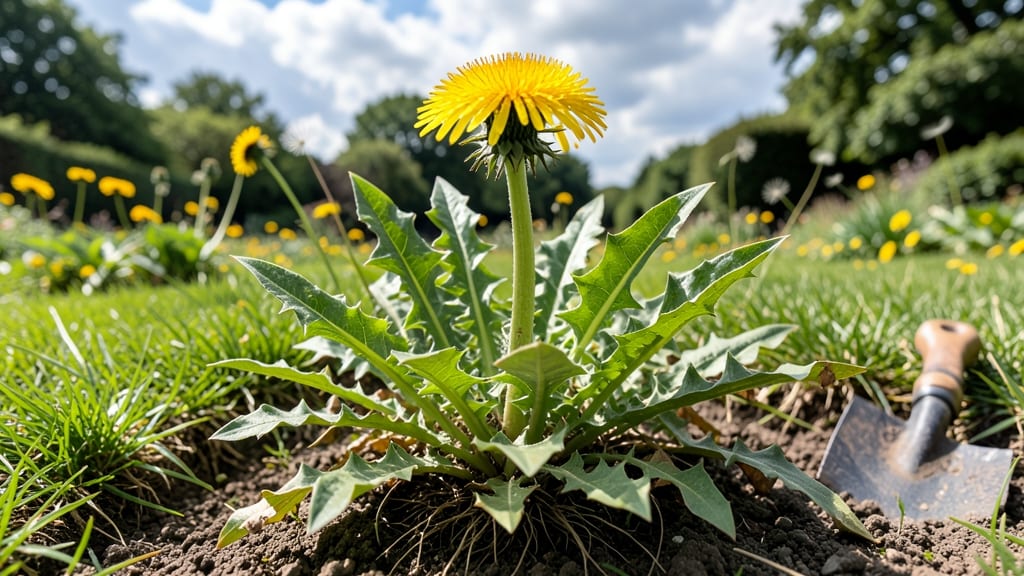
Those bright yellow blooms spreading across your yard might look pretty, but they could be ground cover weeds with yellow flowers stealing resources from your plants. Before you pull them all out, it's worth knowing which ones are truly problematic—and which might even have benefits.
Some of these weeds, like the common dandelion 🌼, are often dismissed as nuisances, but they’re also edible and attract pollinators. Others, however, can spread aggressively, smothering your lawn or garden if left unchecked. The key is learning how to tell them apart and when to act.
In this guide, I’ll walk you through 10 common yellow-flowered weeds, how to identify them, and the most effective ways to remove them—whether you prefer organic methods or chemical solutions. You’ll also discover which ones might be worth keeping (or tolerating) in your landscape.
By the end, you’ll have a clear plan to manage these weeds without sacrificing your garden’s health—or missing out on their occasional advantages. Let’s get started!
10 Ground cover weeds with yellow flowers you must identify
Identifying ground cover weeds with yellow flowers can feel overwhelming, especially when they blend seamlessly into your landscape. These weeds often spread rapidly, crowding out your desired plants and altering your garden's balance.
Some, like dandelions, are hardy survivors that thrive in compacted soil, while others, such as creeping buttercup, can form dense mats that smother grass and flowers.
The key to managing them lies in accurate identification. Each weed has unique characteristics—from leaf shape and flower structure to growth patterns—that help distinguish it from others. By recognizing these traits, you can choose the most effective removal method and prevent future infestations.
Let’s explore 10 common yellow-flowered weeds that might be invading your garden.
Below is a quick-reference guide to help you identify these weeds based on their visual traits, regional prevalence, and growth habits. Whether you're dealing with a small patch or a full-blown invasion, knowing what you’re up against is the first step toward reclaiming your garden.
| Weed Name | Leaf Shape | Flower Structure | Growth Pattern | Regional Prevalence |
|---|---|---|---|---|
| Dandelion | Deeply lobed, toothed edges | Single bright yellow flower per stem | Rosette growth, deep taproot | North America, Europe, Asia |
| Creeping Buttercup | Palmately lobed, 3-5 leaflets | Golden yellow, 1-2 inches wide | Creeping stems, forms dense mats | Temperate regions, lawns, pastures |
| Common Chickweed | Oval, smooth, opposite pairs | Small, star-shaped, 5 petals | Low-growing, sprawling habit | Global, thrives in moist soil |
| Hawkweed | Narrow, grass-like, basal rosette | Bright yellow, tubular flowers | Clumping, upright stems | North America, Europe, meadows |
| Oxeye Daisy | Serrated, lance-shaped | White with yellow center | Upright, branching stems | North America, open fields |
| Yellow Woodsorrel | Clover-like, trifoliate | Small, 5-petaled yellow flowers | Low-growing, spreads by runners | Shady, wooded areas |
| Goldenrod | Narrow, lance-shaped, alternate | Plume-like, golden-yellow clusters | Upright, clumping, late summer blooms | North America, prairies, roadsides |
| Plantain | Broad, ribbed, rosette pattern | Small, greenish-yellow spikes | Low, spreading, thick leaves | Lawns, disturbed soils |
| Yellow Toadflax |
How to effectively eradicate yellow-flowered ground cover weedsOnce you’ve identified those yellow-flowered ground cover weeds in your yard, the next step is removal. But not all weeds respond to the same treatment—some need a deep root pull, while others require smothering or targeted herbicides. The key is choosing the right method for each weed type and acting at the optimal time to prevent regrowth. For example, dandelions and creeping buttercups thrive in disturbed soil, so their removal often triggers more seeds to sprout. Meanwhile, henbit and yellow woodsorrel spread through underground runners, making them harder to eradicate with surface-level methods. Let’s break down the best approaches for each scenario. Removal Methods for Yellow-Flowered WeedsManual Removal
Best for: Small patches, dandelions, henbit. Organic Herbicides
Best for: Creeping buttercups, yellow woodsorrel. Chemical Herbicides
Best for: Large infestations, bindweed, ground ivy. Smothering/Solarization
Best for: Yellow nutsedge, dense weed mats. Timing is everything when tackling these weeds. For manual removal, pull weeds when the soil is moist (after rain or watering) to avoid breaking roots. Organic herbicides like vinegar or corn gluten meal work best in late spring when weeds are actively growing. If you opt for chemical herbicides, apply them on a dry, wind-free day to minimize drift. For stubborn weeds like bindweed or ground ivy, a combination of methods often works best. Start with a pre-emergent herbicide in early spring, then follow up with manual removal of any survivors. Always wear gloves and protective gear when handling chemicals, and never apply them near desirable plants. Long-term prevention is just as critical. After eradication, improve soil health with compost to crowd out weeds naturally. Plant dense ground covers like clover or creeping thyme in sunny areas, or hostas in shady spots, to outcompete weeds. Regular mulching with wood chips or straw also suppresses weed seeds from germinating. Remember, some yellow-flowered "weeds" like dandelions or black-eyed Susans can be beneficial—supporting pollinators or even edible. If you’re unsure whether to remove them, consider leaving a small patch for ecological balance while controlling their spread elsewhere in your yard. 🌱 |