
Planting
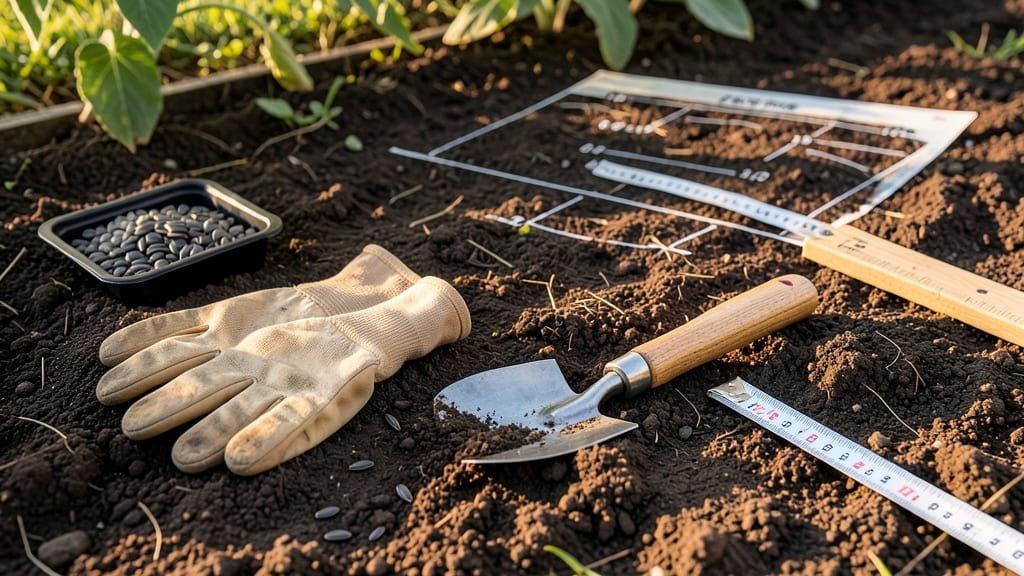
Planting sunflower seeds the right distance apart can turn your bright 🌻 dreams into a patch of weak, struggling stalks—while spacing them too far wastes space and sunlight. The right distance between seeds is the difference between sunflowers that reach their towering potential and those that struggle for nutrients.
I’ve learned the hard way that 12 to 36 inches apart makes all the difference, depending on your sunflower variety. Dwarf types need just 12 inches of room, while giant varieties demand a full 3 feet to avoid competition.
But here’s the secret: soil quality and sunlight exposure can tweak those numbers, especially in zones like 6a where growing seasons are shorter.
Whether you’re planting in rows or containers, this guide will help you avoid the most common mistakes—like overcrowding that leads to yellowing leaves or weak stems. You’ll discover how to adjust spacing for taller stalks, better yields, and even companion planting tricks to maximize your garden’s potential.
Let’s dive into the exact spacing rules, soil prep tips, and troubleshooting advice so your sunflowers grow strong, healthy, and ready for harvest by July. Your garden will thank you!


Optimal sunflower seed spacing by variety: dwarf vs giant vs standard types
Sunflowers thrive when planted with just the right spacing—too close, and they’ll compete for nutrients and sunlight, leading to weak stems and underwhelming blooms. Too far apart, and you’ll waste garden space. The key lies in understanding your sunflower variety and adjusting spacing accordingly.
Dwarf varieties need less room to shine, while giant types require generous space to avoid flopping over in storms or shading each other.
Spacing also depends on your soil quality and sunlight exposure. Rich, well-draining soil allows roots to spread wider, while poor soil means plants need more space to access nutrients. Similarly, full sun (6+ hours daily) encourages faster growth, so slightly closer spacing may work in ideal conditions.
Always prioritize airflow to prevent fungal diseases like powdery mildew, which thrives in crowded, humid conditions.
Here’s how to space sunflower seeds by variety, along with soil and sunlight considerations to maximize your harvest:
| Variety Type | Seed Spacing (inches) | Row Spacing (inches) | Mature Height | Soil Needs | Sunlight Needs |
|---|---|---|---|---|---|
| Dwarf (e.g., 'Teddy Bear', 'Moulin Rouge') | 12–18 inches | 12–18 inches | 2–4 feet | Well-draining, fertile | Full sun (6+ hours) |
| Standard (e.g., 'Autumn Beauty', 'ProCut') | 18–24 inches | 24–30 inches | 6–10 feet | Moderate fertility, loose soil | Full sun (8+ hours) |
| Giant (e.g., 'Russian Giant', 'Mammoth') | 24–36 inches | 36–48 inches | 10–14 feet | Rich, deep soil | Full sun (8+ hours) |
*Adjust spacing closer in container gardens or looser in poor soil.
For dwarf varieties, like 'Teddy Bear', tight spacing (12–18 inches) works because their compact size prevents shading. These sunflowers are perfect for small gardens, containers, or borders. Plant them in rows 12–18 inches apart to allow airflow while keeping them close enough to create a cheerful, dense display.
Standard varieties, such as 'Autumn Beauty', strike a balance. Their 18–24 inch spacing gives roots room to expand while keeping plants upright. Use 24–30 inch row spacing to prevent overcrowding, especially in windy areas where stems can lean. These are ideal for cut flower gardens or pollinator-friendly landscapes.
Giant sunflowers like 'Russian Giant' demand the most space—24–36 inches between seeds and 36–48 inches between rows. Their massive roots and towering stalks (10–14 feet!) need room to avoid lodging (falling over).
Plant them along fences or in dedicated sunflower patches where they can reach their full potential without competing with neighbors.
If your soil is sandy or rocky, increase spacing by 20–30% to compensate for poor nutrient retention. Amend the soil with compost or aged manure before planting to improve fertility. For container gardening, use 1–2 plants per 5-gallon pot with dwarf varieties, spacing seeds 6–12 inches apart.
Pro tip: Plant sunflowers in staggered rows (offset by 12–18 inches) to create a natural trellis effect. This not only saves space but also makes harvesting easier by preventing stalks from leaning into each other. Pair taller varieties with shorter ones to fill vertical space efficiently.
Finally, always plant seeds 1 inch deep and water deeply after sowing to encourage strong root development. Mulch around the base with straw to retain moisture and suppress weeds, which can further stress crowded plants.
With the right spacing, your sunflowers will grow tall, strong, and disease-free—turning your garden into a vibrant, sun-soaked masterpiece. 🌻
How to adjust spacing for different sunflower planting goals
Your sunflower planting goals can completely change how far apart you should plant those seeds. Whether you're growing for maximum yield, taller stalks, or simply working with limited space, adjusting spacing is the key to success.
I've learned through trial and error that one-size-fits-all spacing doesn't exist—your approach should match your specific objectives and growing conditions.
For example, I once planted giant sunflowers too closely together, thinking more plants would mean more flowers. Instead, I ended up with weak stems that toppled over before they could fully mature.
That experience taught me that spacing isn't just about numbers—it's about creating an environment where each plant can thrive according to your goals.
- For maximum yield: Plant dwarf varieties 12-18" apart in staggered rows (6" apart). This creates a dense planting that produces more flowers per square foot while still allowing airflow to prevent disease.
- For taller stalks: Space standard varieties 24-36" apart in wide rows (36" between rows). This gives roots room to establish deeply, supporting those towering 10-14 foot giants you're dreaming of.
- To prevent lodging: Use staggered rows with 18-24" spacing between plants and 36" between rows. This triangular arrangement distributes wind pressure more evenly, keeping your sunflowers standing tall.
- For containers: Plant one seed per 5-gallon pot (or 3-4 dwarf seeds per 12" pot). Use lightweight potting mix and stake each plant to prevent tipping in windy conditions.
- For small spaces: Try interplanting with shallow-rooted crops like lettuce or radishes between sunflowers. Space sunflowers 12-18" apart and plant companions in the gaps for efficient space use.
When adjusting spacing for your goals, always consider your soil fertility and sunlight exposure. Richer soils can support closer spacing since plants won't compete as fiercely for nutrients. In lower-light conditions, wider spacing gives each plant better access to available sunlight.
I've found that in partial shade, increasing spacing by 25% often makes the difference between healthy growth and leggy, weak stems.
For container gardening, I recommend using individual pots for each sunflower plant, especially if you're growing taller varieties. The extra root space prevents competition and makes it easier to monitor moisture levels.
Remember to place containers where they'll get at least 6-8 hours of direct sunlight daily—they won't tolerate shade like their in-ground counterparts.
One pro tip I've picked up from experienced growers is to thin seedlings to your target spacing once they've developed their first true leaves. This prevents the shock of transplanting later and gives you more control over final plant spacing.
If you're growing multiple varieties, consider planting them in separate blocks rather than mixing them—this makes maintenance easier and helps you achieve your specific goals for each type.
Finally, don't forget that wind exposure plays a crucial role in spacing decisions. In windy areas, I've had to increase spacing by 10-15% to prevent plants from leaning or breaking.
You might also want to consider staking taller varieties or planting them near a sturdy fence for additional support, regardless of your spacing strategy.