
How To
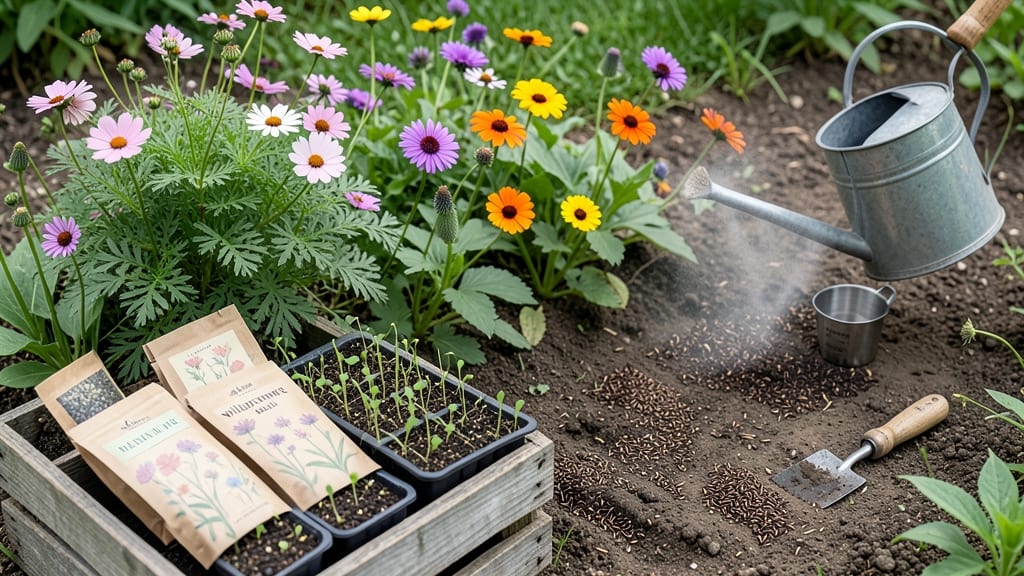
If you're wondering how fast do wildflower seeds grow, you might be surprised how quickly—or slowly—they bloom, depending on the variety and conditions.
Some annuals like cosmos or sunflowers can burst into color in just 30–45 days, while perennials like coneflowers may take 60–90 days to show off their first vibrant 🌼 blooms.
But here’s the catch: soil temperature, moisture, and sunlight play a huge role in speeding up—or slowing down—germination. Planting in early spring or fall (like in USDA Zone 6a) gives seeds the ideal conditions to sprout faster, while hot, dry spells can stall growth for weeks.
In this guide, I’ll break down exactly how fast different wildflower varieties grow, from the fastest-blooming annuals to the patient perennials worth the wait. You’ll also discover proven tips to accelerate germination and ensure your meadow thrives.
Whether you’re dreaming of a quick burst of color or a long-lasting pollinator paradise, knowing these timelines helps you plan—and enjoy—the transformation from seed to bloom.

Wildflower seed growth timeline by fastest-blooming varieties (weeks to first flowers)
If you're eager to see your wildflower garden burst into color, some varieties deliver stunning blooms in as little as 3-4 weeks after planting! Fast-growing annuals like cosmos and bachelor's button top the list, while perennials typically take longer.
Understanding these timelines helps you plan for quick color or long-term meadows.
Annual wildflowers generally bloom fastest because they focus all energy on rapid growth and reproduction. Perennials invest in root systems first, delaying blooms until their second year. Your USDA Zone 6a climate also plays a role—warmer springs speed up germination, while cooler temperatures extend timelines.
Here’s how to use this timeline: Plant fast-blooming annuals for instant color, then add perennials for multi-year beauty. For example, sow sunflowers in early spring for summer blooms, while black-eyed Susans will reward you next year with vibrant yellow flowers.
🌱
| Variety | Type | Days to First Bloom | Peak Bloom Time | Climate Notes |
|---|---|---|---|---|
| Cosmos | Annual | 21-30 days | Summer-Fall | Thrives in heat; drought-tolerant |
| Sunflower (Dwarf) | Annual | 30-45 days | Summer | Needs full sun; add compost for faster growth |
| Bachelor's Button | Annual | 35-50 days | Spring-Summer | Cold-hardy; sow early for spring blooms |
| Zinnia | Annual | 40-55 days | Summer-Fall | Deadhead for continuous blooms |
| Black-Eyed Susan | Perennial | 60-90 days (Year 1) | Summer-Fall | Slower first year; thrives in poor soil |
| Coneflower | Perennial | 70-100 days (Year 1) | Summer-Fall | Drought-resistant; attracts pollinators |
| Lupine | Perennial | 80-120 days (Year 1) | Spring-Summer | Fixes nitrogen; improve soil over time |
For fastest results, focus on annuals like cosmos and zinnias—they’ll bloom in under 2 months with minimal effort. If you’re planting in fall (September), choose cold-hardy varieties like bachelor’s button to overwinter and surprise you with spring blooms.
In USDA Zone 6a, aim to sow seeds 4-6 weeks before your last frost (April 15) for optimal growth. For example, planting cosmos in early March ensures blooms by early May. Adjust timing if you’re in a cooler microclimate—extend the window by 2 weeks.
Pro tip: Mix fast and slow bloomers for a continuous color show. Start with cosmos and zinnias for summer, then let perennials like coneflowers take over in late summer and fall. This layered approach keeps your garden vibrant from June through October.
🌻
Soil temperature is another critical factor. Most wildflower seeds need soil at at least 60°F (15°C) to germinate. Use a soil thermometer to check—if it’s cooler, wait or use a cold frame to warm the soil. In my garden, I’ve
What slows down wildflower seed germination and how to speed it up
Wildflower seeds can be surprisingly sensitive to their growing conditions, and even the hardiest varieties need the right environment to germinate quickly. Cold soil below 50°F (10°C) can stall sprouting for 2–4 weeks, while dry soil may prevent seeds from absorbing moisture at all.
These delays are common in early spring or late fall plantings, especially in USDA Zone 6a where temperatures fluctuate.
Another major culprit is poor sunlight exposure. Wildflowers thrive in full sun (6+ hours/day), but seeds planted in shady spots may take 30–50% longer to germinate. Even partial shade can weaken seedlings, making them more susceptible to disease or pests.
If your garden lacks direct sunlight, consider starting seeds in a sunny container before transplanting.
⚠️ WARNING: Common Mistakes That Kill Germination
To speed up germination, start with warm soil—aim for 60–70°F (15–21°C)—by planting in late spring or using a black plastic mulch to absorb heat. For faster results, try stratification: mix seeds with moist sand and refrigerate for 2–4 weeks before planting.
This mimics winter conditions and tricks seeds into thinking it’s time to grow.
Another game-changer is pre-soaking seeds for 12–24 hours in lukewarm water before planting. This hydrates the seed coat, helping it absorb moisture faster once in the soil. Just be sure to rinse and dry them afterward to prevent mold.
For large seeds like sunflowers, this method can cut germination time by up to 50%.
Finally, avoid compacted soil, which restricts root growth. Loosen the top 2 inches of soil with a rake or fork before scattering seeds. Adding a light layer of compost (¼ inch) provides nutrients without overwhelming seedlings.
In clay-heavy soil, mix in sand or perlite to improve drainage—this prevents waterlogging, a silent killer of young sprouts.
With the right conditions, some wildflowers like cosmos or zinnia can germinate in just 5–7 days, while others like black-eyed Susan may take 14–21 days. The key is patience and preparation—once you master these techniques, your wildflower meadow will bloom faster and more reliably than ever.