
Plants
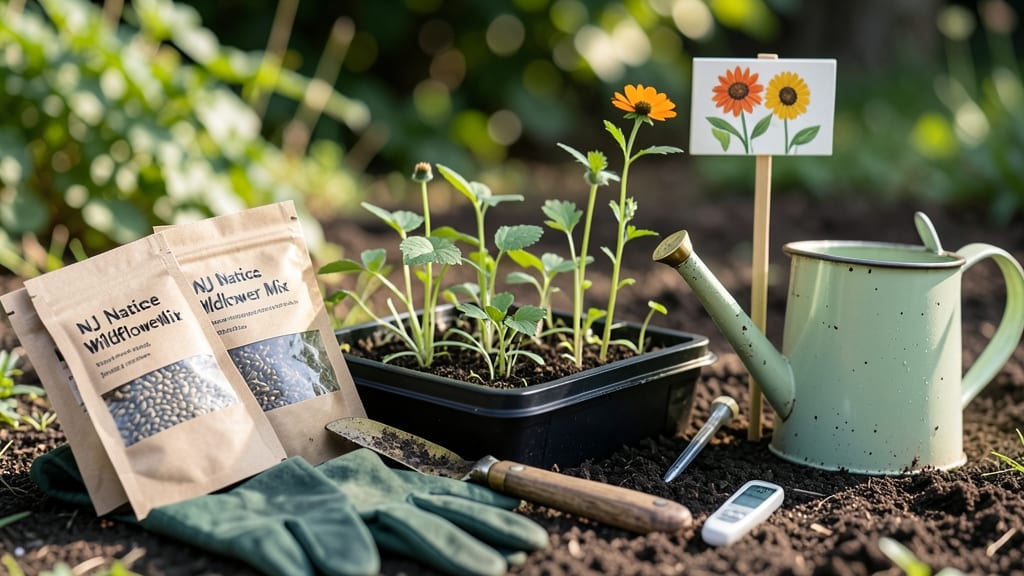
Planting wildflower seeds in NJ at the wrong time means wasted effort—and who has time for that? The key to vibrant, low-maintenance blooms lies in knowing exactly when to scatter those seeds for zero-frost success in USDA Zone 6b.
New Jersey’s unpredictable spring weather can turn a hopeful gardener’s plans into a muddy mess. But with the right timing—late March to April for spring or September to October for fall—you’ll skip the guesswork and enjoy a meadow bursting with color from May through October.
The secret? Planting when soil temperatures hit 50°F and before summer drought sets in.
I’ve tested these windows myself, and the difference between a thriving wildflower patch and a failed attempt comes down to two simple rules: avoid late spring plantings (they’ll dry out) and never skip soil prep.
Whether you’re a beginner or a seasoned gardener, these insights will save you time—and your wildflowers will thank you.
Ready to transform your yard into a pollinator paradise? Let’s break down the exact steps to plant, nurture, and maintain your wildflowers so they bloom reliably year after year—with minimal work on your part.
Best planting windows for NJ wildflowers: spring vs fall breakdown
New Jersey's USDA Zone 6b climate creates a delicate balance for wildflower planting. The average last frost arrives in mid-April, while first frost typically hits mid-October.
These dates define your two prime planting windows: spring (April-May) and fall (September-October). Each offers unique advantages, but timing mistakes can mean wasted seeds or stunted growth.
Spring planting gives you summer blooms, but requires careful monitoring of soil temperatures (aim for 50°F+). Fall planting, however, lets seeds establish roots before winter, often resulting in earlier spring blooms.
The challenge? NJ's microclimates vary dramatically—northern NJ stays cooler longer than southern NJ, shifting your ideal windows by 2-3 weeks.
Soil temperature is your best guide. For spring, wait until soil reaches 50°F at 2-inch depth. For fall, plant when soil temps drop below 70°F but before first frost. Use a soil thermometer to avoid guesswork—this simple tool prevents costly mistakes.
Here's the critical comparison between spring and fall planting in NJ:
| Factor | Spring Planting (April-May) | Fall Planting (September-October) |
|---|---|---|
| Ideal Soil Temp | 50°F+ at 2" depth | Below 70°F |
| Frost Risk | Moderate (late frosts possible) | Low (seeds establish before winter) |
| Water Needs | High (spring rains variable) | Moderate (fall rains often sufficient) |
| Bloom Time | Summer (June-August) | Next spring (May-June) |
| Northern NJ Adjustment | Wait until May 1st | Plant by September 15th |
| Southern NJ Adjustment | Plant by April 15th | Plant until October 15th |
For spring planting, focus on early April to mid-May. Start with tender perennials like Black-Eyed Susans in early April, then move to hardy annuals like Cosmos by mid-May. Always use lightweight seed and minimal soil coverage—most wildflower seeds need light to germinate.
A quick light rake after scattering seeds ensures proper soil contact without burying them too deep.
Fall planting offers better success rates in NJ because seeds establish roots before winter. Aim for September to early October, with northern NJ gardeners finishing by September 15th and southern NJ extending until October 15th.
This timing gives seeds 6-8 weeks to germinate before soil freezes. For maximum diversity, mix spring and fall plantings—this creates continuous blooms from May through October.
Don't overlook soil preparation. Wildflowers thrive in well-draining soil with low fertility. Before planting, remove weeds and loosen the top 2-3 inches of soil.
For compacted clay soils common in NJ, add compost or sand to improve drainage. A light mulch after planting helps retain moisture without smothering seeds.
Watering strategies differ by season. For spring plantings, water daily for 2 weeks to keep soil moist but not soggy. For fall plantings, water every 3-4 days until seeds germinate.
After establishment, reduce watering—wildflowers are drought-tolerant once mature. The key is deep watering (1-2 inches per week) rather than frequent light watering.
Monitor your planting site for pests and weeds. Young wildflower seedlings are vulnerable to birds and insects. Use row covers if needed, or plant in small clusters to deter foraging.
Weed control is critical—hand-pull weeds when soil is moist to avoid disturbing wildflower roots. A mulch ring around planting areas helps suppress weeds without harming flowers.
Remember: NJ's unpredictable weather means flexibility is key. Always check weekly frost forecasts and adjust your planting timeline accordingly. With the right timing and preparation, your wildflower meadow will reward you with vibrant blooms from spring through fall—zero wasted effort
Top 5 wildflower seed varieties for NJ’s climate and their ideal planting months
New Jersey’s USDA Zone 6b climate demands wildflowers that thrive in both hot summers and chilly winters. The right varieties not only survive but thrive with minimal care, attracting pollinators while adding color to your landscape.
I’ve narrowed down the top 5 wildflower seeds that perform best in NJ, complete with their ideal planting months and care tips to ensure success.
Each of these native wildflowers is adapted to NJ’s variable rainfall and soil conditions, making them low-maintenance yet stunning. Whether you’re planting for butterfly gardens, pollinator support, or simply adding beauty, these varieties deliver.
Let’s dive into the best options and their precise planting windows to maximize your blooms.
| Variety | Ideal Planting Month | Bloom Season | Height | Sunlight Needs | Maintenance Tips |
|---|---|---|---|---|---|
| Black-Eyed Susan (Rudbeckia hirta) | April-May or September | July-October | 1-3 ft | Full sun | Drought-tolerant; deadhead for prolonged blooms |
| Purple Coneflower (Echinacea purpurea) | April or September-October | June-September | 2-4 ft | Full sun to partial shade | Low water needs; attracts butterflies and bees |
| Butterfly Weed (Asclepias tuberosa) | April or September | June-August | 1-2 ft | Full sun | Drought-resistant; essential for monarchs |
| Coreopsis (Coreopsis lanceolata) | March-April or September | May-July | 1-2 ft | Full sun | Self-seeds easily; minimal watering |
| Goldenrod (Solidago spp.) | April-May or September | August-October | 2-4 ft | Full sun to partial shade | Thrives in poor soil; late-season blooms |
For spring planting, aim for April to early May once soil temperatures reach 50°F. This timing ensures seeds germinate before summer drought hits. Fall planting in September to October gives seeds time to establish roots before winter, often resulting in earlier and more robust blooms the following year.
All these varieties are perennial, meaning they’ll return year after year with proper care. Black-Eyed Susans and Purple Coneflowers are especially hardy, tolerating NJ’s humid summers and cold winters without fuss.
Meanwhile, Butterfly Weed is a must-have for gardeners who want to support monarch butterflies, as its nectar is irresistible to them.
To maximize success, prepare your soil by removing weeds and lightly raking the surface. Scatter seeds evenly and press them into the soil—no need to bury them deeply. Water gently to keep the soil moist until germination, which typically takes 10-21 days depending on the variety and weather.
Once established, these wildflowers require very little water, making them perfect for low-maintenance gardens.
With these top 5 wildflowers and their ideal planting windows, you’ll create a vibrant, pollinator-friendly meadow that blooms from early summer through fall. The best part? Once they’re planted, they’ll thrive with minimal effort, giving you more time to enjoy the beauty they bring to your garden.