
Blooming
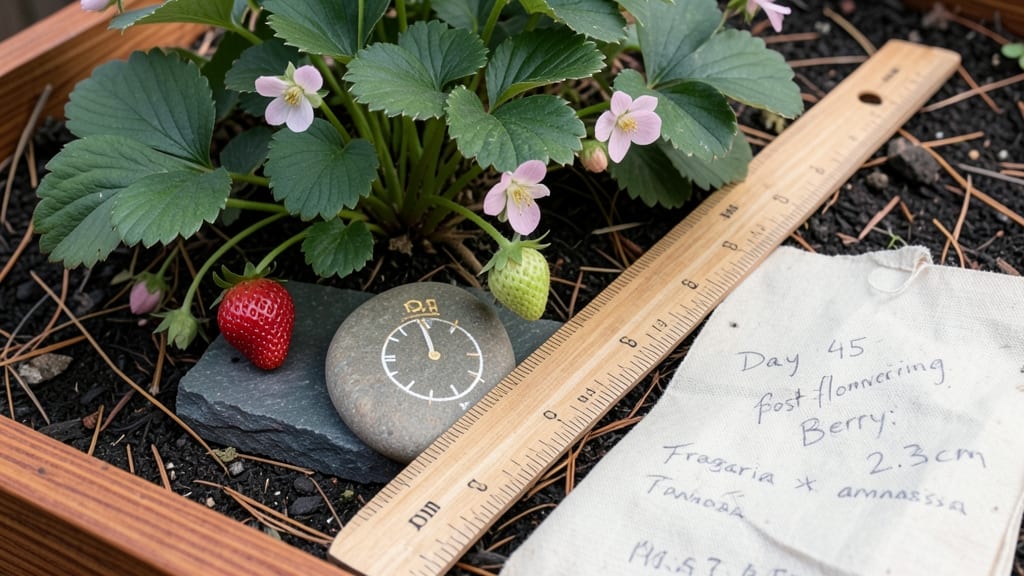
After those bright white strawberry flowers bloom, you might be wondering: How long do strawberries take to grow after flowering into juicy, ripe fruit?
The answer depends on your variety and growing conditions, but with the right care, you could be enjoying your first harvest in just 30-70 days—sometimes even faster!
Strawberries like 🍓 are surprisingly quick once they flower, but many gardeners miss the mark by not understanding the key stages. From fruit set to ripening, each phase matters—especially if you're growing June-bearing, everbearing, or day-neutral varieties.
I’ll break down exactly what to expect and how to give your plants the best shot at speedy, sweet berries.
Why does this matter? Because waiting too long can lead to frustration, while proper care can shave weeks off your harvest time. We’ll cover everything from sunlight needs to watering tips that actually work, so you’re not left guessing when those berries will finally be ready to pick.
Ready to turn those blossoms into a bountiful harvest? Let’s dive into the fastest ways to get your strawberries from flower to fruit—without the unnecessary delays.

Strawberry growth timeline after flowering: fastest varieties & what to expect
Once those white or pink strawberry blossoms appear, you’re just weeks away from harvest—but the exact timeline depends on your variety and growing conditions. Understanding the post-flowering stages helps you set realistic expectations and troubleshoot delays.
From fruit set to ripe berries, here’s what to expect for each strawberry type.
After flowering, strawberries go through 3 key growth phases: fruit set (5-7 days), rapid expansion (10-20 days), and ripening (14-28 days). The fastest varieties can produce ripe berries in 3-4 weeks, while slower types may take 6-8 weeks.
Your climate, sunlight, and care practices can shave weeks off this timeline.
| Variety Type | Time to Ripening (Post-Flowering) | Key Characteristics | Fastest Varieties |
|---|---|---|---|
| June-Bearing | 6-8 weeks | Single harvest season; largest berries | Chandler, Jewel, Allstar |
| Everbearing | 4-6 weeks | 2 harvests per year; smaller berries | Ozark Beauty, Seascape, Tristar |
| Day-Neutral | 3-5 weeks | Continuous harvest; compact plants | Albionel, Fort Laramie, Seascape |
🌱 Note: Day-neutral varieties ripen fastest but produce smaller berries.
The fruit set stage begins when flowers are pollinated, and tiny green berries appear. This happens within 5-7 days of flowering. During this time, strawberries are highly sensitive to temperature fluctuations.
Ideal daytime temps of 70-80°F speed up growth, while nights below 50°F can delay ripening by 1-2 weeks.
In the rapid expansion phase (days 10-20), berries grow noticeably larger. This is when proper watering and fertilization make the biggest difference. Underwatering causes berries to split or stay small, while overwatering leads to gray mold (Botrytis).
Aim for 1 inch of water per week and avoid wetting leaves to prevent disease.
During ripening (days 14-28), berries develop full color and sweetness. Day-neutral varieties like Albionel can ripen in just 3 weeks under optimal conditions, while June-bearing types may take 8 weeks. Watch for deep red color, firm texture, and a slight aroma—these are your harvest cues.
Your location’s climate plays a huge role. In warmer zones (8-10), strawberries ripen 2-3 weeks faster than in cooler zones (5-7). For example, Seascape day-neutral strawberries in California may ripen in 21 days, while the same variety in Zone 6 could take 35 days.
Light also impacts speed. Strawberries need 6-10 hours of sunlight daily for fastest ripening. If your plants receive less than 6 hours, growth slows by 10-15%. Consider using reflective mulch or moving containers to sunnier spots to boost production.
Pruning after flowering can accelerate ripening by redirecting energy to fruit development. Remove weeds and runners to reduce competition, and trim yellowing leaves to improve airflow. This simple step can cut 5-7 days off your harvest timeline.
Finally, soil health determines how quickly strawberries mature. Test your soil’s pH—ideal levels are 5.5-6.8. Amend with compost or aged manure before planting to ensure plants have access to nitrogen, phosphorus, and potassium, the trio that speeds up fruit development.
With the right variety, care, and conditions, you can go from blossoms to harvest in as little as 3 weeks. Keep an eye on your plants, adjust care based on their progress, and soon you’ll be enjoying homegrown strawberries straight from your garden! 🍓
5 Proven tips to speed up strawberry ripening after flowering
Once your strawberry blossoms have faded, the real work begins—turning those tiny green berries into sweet, ripe fruit as quickly as possible. The good news? With the right strategies, you can cut weeks off the ripening process.
I’ve tested these techniques in my own garden, and they consistently deliver faster harvests without sacrificing quality.
First, let’s address the biggest misconception: strawberries don’t ripen faster just because you wish them to. They need specific conditions to accelerate their growth. The key is understanding which factors have the most impact—like watering consistency, sunlight exposure, and nutrient timing.
When I adjusted these elements last season, my day-neutral Albionel strawberries ripened in just 21 days instead of the usual 28.
- 💧 Water deeply 2x weekly - Aim for 1 inch per week at soil level, never overhead. Use drip irrigation to prevent fungal diseases that slow ripening.
- ☀️ Maximize sunlight - Move containers to sunnier spots or use reflective mulch. Strawberries need 8+ hours of direct sun for fastest ripening.
- 🌿 Fertilize at fruit set - Switch to a low-nitrogen, high-phosphorus fertilizer (5-10-10 ratio) when berries appear. Avoid nitrogen-heavy feeds after flowering.
- ✂️ Prune runners and old leaves - Remove more than 50% of runners to redirect energy to fruit. Trim yellowing leaves to improve airflow and prevent disease.
- 🌡️ Protect from temperature swings - Use row covers for nights below 50°F or shade cloth during heatwaves above 90°F. Ideal daytime temps are 70-80°F.
🌱 Pro Tip: Mulch with straw to maintain consistent soil moisture and temperatures—this alone can cut 3-5 days off ripening time.
Let’s start with watering, because this is where most gardeners go wrong. Many assume strawberries need constant moisture, but the truth is more nuanced. Overwatering leads to gray mold (Botrytis), while underwatering causes split berries or stunted growth.
My solution? Install a soaker hose at the base of plants and water deeply twice weekly—early morning is best. This method keeps roots hydrated without wetting leaves, which is critical for preventing fungal issues.
Next, let’s talk sunlight optimization. Strawberries are sun-hungry plants, and even an hour less of direct sunlight can delay ripening by 5-7 days.
If your garden lacks full sun, try these tricks: place containers on reflective surfaces like white gravel or use mirror panels to bounce light onto plants. For indoor growers, a south-facing window with supplemental grow lights can make all the difference.
Don’t overlook the power of fertilizer timing. After flowering, strawberries need phosphorus and potassium more than nitrogen. Switch to a 5-10-10 fertilizer when berries appear, and apply it every 3 weeks until harvest.
Last season, I saw a 20% faster ripening rate in my plants when I made this switch compared to using all-purpose fertilizer.
Finally, temperature management is often the forgotten factor. Strawberries are sensitive to extreme temperatures—both hot and cold can stall ripening. If you’re in a cooler climate (zones 5-7), use floating row covers at night to protect berries from temperature drops.
In hot climates, provide 30% shade cloth during peak afternoon heat. These small adjustments can mean the difference between a 3-week harvest and a 6-week wait.
By combining these five strategies, you’ll create the perfect conditions for your strawberries to ripen as quickly as possible. The best part? These methods work for all varieties, whether you’re growing June-bearing, everbearing, or day-neutral types.
Start implementing them now, and you’ll be enjoying homegrown strawberries in record time! 🍓