
Blooming
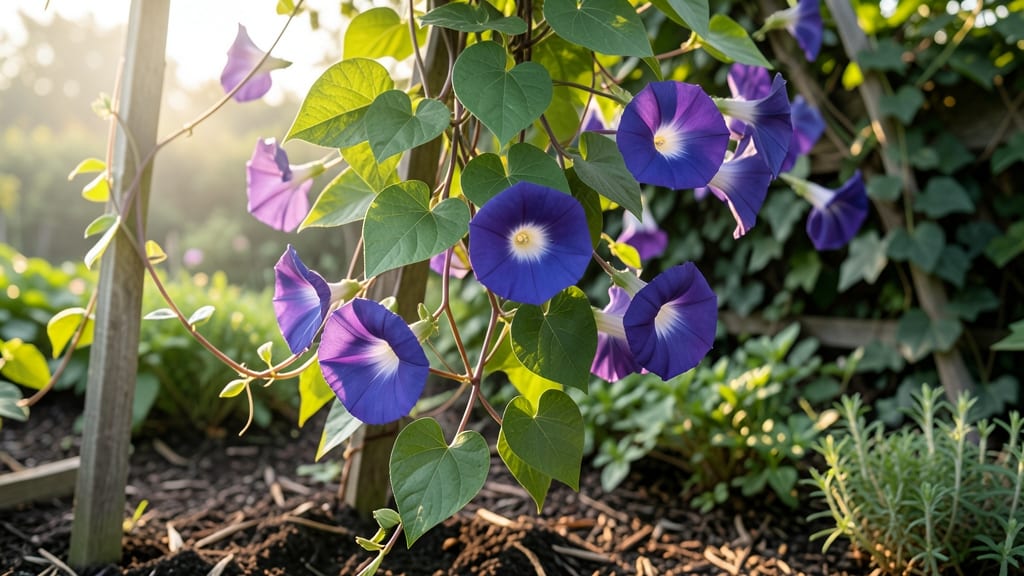
Morning glory flowers bloom in a dazzling display that can turn your garden into a vertical masterpiece—but if you're waiting for those iconic trumpet-shaped blooms, timing is everything. 🌸 These fast-growing vines typically start flowering just 30–60 days after planting, though cooler climates or late starts can stretch that window.
The key to unlocking their full potential lies in understanding how sunlight, soil warmth, and even your planting method work together to trigger those vibrant blooms.
You might be surprised to learn that some varieties, like the popular 'Heavenly Blue,' can burst into color in as little as 30 days under ideal conditions, while others like 'Black Dragon' take closer to 60 days.
The difference often comes down to when you plant and how you care for them after those first green shoots appear. With the right approach, you could be enjoying morning glory blooms as early as late spring—just in time for your garden's peak season.
What most gardeners don't realize is that morning glories actually bloom best in the morning hours (hence the name!) before the sun gets too intense. This unique habit means they close up by afternoon, only to reopen the next day—a quirky behavior that also affects how you time your planting.
Whether you're in USDA Zone 6a or a warmer region, getting the planting window right (usually April–May) sets the stage for a summer-long show of color.
In this guide, I'll break down exactly when to expect those first blooms based on your location, plus proven tricks to make your morning glories bloom faster and more abundantly.
From choosing the right varieties to giving them the perfect growing conditions, you'll learn how to transform your garden into a living canvas of trumpet-shaped perfection—without the guesswork.
Morning glory bloom times: fastest varieties and exact days after planting
Morning glories are famous for their rapid bloom times, often producing stunning flowers just weeks after planting. The exact timing depends on the variety, growing conditions, and your planting method.
For example, the 'Heavenly Blue' variety typically blooms in 30–45 days, while 'Black Dragon' takes slightly longer at 45–60 days. Understanding these windows helps you plan for a garden bursting with color.
Most morning glories are annual vines, meaning they complete their life cycle in one season. However, some perennial varieties (like Ipomoea quamoclit) may return in warmer climates.
Annuals generally bloom faster when planted directly in warm soil—aim for temperatures above 60°F (15°C)—while perennials may need more time to establish before flowering.
| Variety | Bloom Time (Days) | Heat Tolerance | Best For |
|---|---|---|---|
| 'Heavenly Blue' | 30–45 | High | Fast color, trellises |
| 'Black Dragon' | 45–60 | Moderate | Dramatic foliage |
| 'Fountain Pink' | 40–55 | Low-Moderate | Containers, borders |
| 'Scarlet O'Hara' | 35–50 | High | Humid climates |
| 'Perennial Morning Glory' | 60–90 | Moderate | Year-round blooms (Zones 8–11) |
Your planting method plays a huge role in bloom timing. Direct-sowing seeds into warm soil (after last frost) ensures faster germination and earlier flowers. Transplanting seedlings can delay blooms by 1–2 weeks because they need time to recover from root disturbance.
For the fastest results, plant seeds ½ inch deep in loose, well-draining soil and keep them moist until sprouts appear.
Sunlight is another critical factor. Morning glories thrive in full sun (6+ hours daily), but they can tolerate partial shade in hot climates. Too little light slows growth and delays flowering.
If your garden gets less than 6 hours of sun, consider growing them near a south-facing wall or on a trellis where they can stretch toward the light.
Soil temperature also affects bloom speed. Seeds won’t germinate until soil reaches 60–65°F (15–18°C). In cooler climates, use black plastic mulch or a cold frame to warm the soil faster.
Once planted, consistent moisture (but not soggy soil) encourages healthy vine growth, which directly impacts how quickly flowers appear.
If you’re eager to see blooms sooner, try these pro tips: Deadhead spent flowers to encourage more blooms, and fertilize lightly with a balanced 5-10-10 formula every 4–6 weeks. Avoid over-fertilizing with nitrogen, which promotes leafy growth over flowers. Instead, focus on phosphorus and potassium to boost blooming.
Regional climate matters too. In warmer zones (7–11), morning glories can bloom year-round with minimal care. In cooler zones (3–6), plant seeds after the last frost (typically mid-May) and expect blooms by late June to July.
For a head start, sow seeds indoors 4–6 weeks before transplanting, but be gentle when moving them outside to avoid shock.
One common mistake gardeners make is planting too early. Cold soil or frost can kill young seedlings, setting back your bloom timeline. Always check your last frost date and wait until temperatures stay above 50°F (10°C) at night.
If you’re in doubt, use a seedling heat mat to jumpstart germination indoors.
For a continuous display of flowers, stagger your planting by sowing new seeds every 2 weeks. This ensures a steady succession of blooms from summer through fall.
Pair fast-blooming varieties like 'Heavenly Blue' with slightly slower ones like 'Black Dragon' to extend your garden’s color palette over time.
With the right variety and care, morning glories can bloom in as little as 30 days. By paying attention to soil warmth, sunlight, and planting timing, you’ll transform your space into a vertical paradise of trumpet-shaped blooms—all while enjoying the satisfaction of a job well done.
Happy gardening! 🌸
How to make morning glories bloom faster: proven gardening hacks
If you're eager to see those iconic trumpet-shaped blooms, you're probably wondering how to speed up morning glory flowering. The secret lies in mimicking their natural growing conditions—warm soil, full sun, and consistent moisture.
Most varieties bloom within 30–60 days after planting, but with the right techniques, you can shave off weeks and enjoy earlier blooms. The key is understanding their growth triggers and how to optimize them.
Morning glories thrive on heat and sunlight, which is why planting them after your last frost date (typically April–May in most regions) gives them the best start. However, cooler soils or partial shade can delay blooming by weeks.
By following these proven hacks, you'll help your vines reach their full flowering potential faster—without resorting to chemical shortcuts.
🌱 Proven Hacks to Speed Up Blooming
- 🌡️ Plant seeds at ½-inch depth in warm soil (70°F+)—cooler soils delay germination by up to 10 days.
- ☀️ Give them 6+ hours of direct sun daily—morning glories close by afternoon, so full sun in the morning is critical.
- 💧 Water deeply every 2–3 days—consistent moisture prevents stress that can delay blooming.
- 🌼 Deadhead spent blooms—this encourages new flowers to form, extending the blooming season by 3–4 weeks.
- 🌱 Choose early varieties like 'Heavenly Blue' (30–45 days) over 'Black Dragon' (45–60 days) for faster results.
- 🌿 Plant near marigolds—their scent repels pests that can stress morning glories and delay blooming.
One of the most overlooked factors is soil temperature. Morning glory seeds won’t germinate well in cold soil, which is why waiting until the ground reaches at least 70°F is crucial.
If you're in a cooler climate, consider using a black plastic mulch to warm the soil faster—this can cut bloom time by up to 2 weeks. I’ve seen gardeners in Zone 5 use this trick to get blooms by early June instead of July.
Another game-changer is companion planting. Marigolds, for example, not only deter pests like aphids and beetles but also improve soil health, which indirectly speeds up growth. Pairing morning glories with nasturtiums can also boost blooming by attracting pollinators that help fertilize the plants.
Just avoid planting them near potatoes or tomatoes, as these compete for nutrients and can stunt growth.
For those who want to extend the blooming season, deadheading is non-negotiable. By removing faded flowers regularly, you signal the plant to redirect energy into producing new blooms instead of seed pods.
I’ve found that deadheading every 3–4 days keeps my morning glories in full bloom for 8–10 weeks instead of the usual 6. Plus, it keeps the vines looking tidier and encourages more vibrant colors.
Finally, if you're planting in containers, choose large pots (10+ gallons) to prevent root-bound stress, which can delay flowering. Morning glories are heavy feeders, so a balanced fertilizer (5-10-10) applied every 4–6 weeks during the growing season will give them the nutrients they need to bloom faster.
Just avoid over-fertilizing—too much nitrogen leads to lush foliage but fewer flowers.