
Blooming
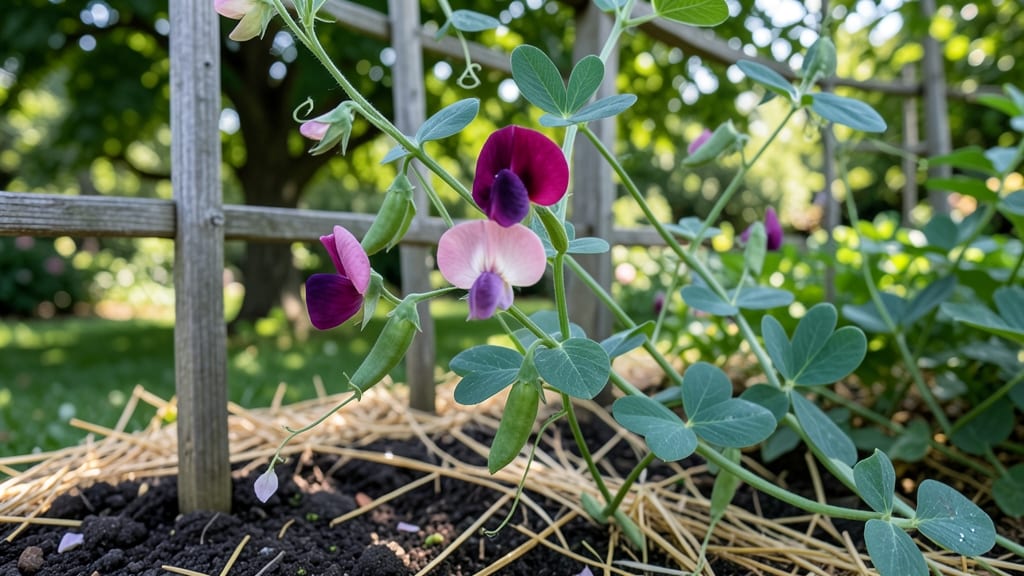
If you’ve ever planted sweet peas 🌱 hoping for a burst of color, you’ve probably wondered: how long do sweet peas flower once they kick into full bloom?
The answer might surprise you—once they kick into full bloom, sweet peas can shower your garden with vibrant flowers for up to 6 weeks or more, given the right conditions.
But timing is everything. Most gardeners see their first flowers 4-6 weeks after planting, and with proper care, that initial flush can stretch into a near-continuous display. The key lies in understanding your climate, variety, and a few simple maintenance tricks that keep those blossoms coming.
In this guide, I’ll break down the science behind sweet pea flowering cycles—from the first bud to the final petal—and share my top tips for extending that bloom time.
Whether you’re dealing with short summer days or a cooler spring, you’ll learn how to coax your sweet peas into flowering for weeks longer than you expected.
Ready to turn your garden into a nonstop floral show? Let’s dive into what makes sweet peas bloom so beautifully—and how to keep them at it all season long.
Sweet pea flowering timeline: 4-6 weeks to first blooms and beyond
Sweet peas deliver one of the fastest flowering rewards in the garden, but their precise timeline depends on multiple factors. From seed to first bloom, most varieties take 4-6 weeks under ideal conditions, with peak flowering lasting 6-8 weeks.
Understanding this cycle helps you plan for continuous color and troubleshoot delays.
The journey begins with germination, which typically occurs within 7-14 days after sowing, assuming soil temperatures stay between 60-70°F. Once seedlings emerge, they need 4-5 weeks of consistent care before producing their first buds. This early phase is critical—cool nights or insufficient sunlight can extend this period significantly.
Here’s a breakdown of the key stages in sweet pea flowering, including how environmental factors influence timing:
| Stage | Duration | Key Factors | Actionable Tip |
|---|---|---|---|
| Germination | 7-14 days | Soil temp (60-70°F), moisture | Keep soil consistently moist with mulch |
| Seedling Growth | 3-4 weeks | Sunlight (6+ hrs/day), support | Install trellis early to avoid root disturbance |
| First Blooms | 4-6 weeks total | Variety, temperature, nutrients | Use high-phosphorus fertilizer at planting |
| Peak Bloom | 6-8 weeks | Watering, deadheading, pests | Deadhead daily to encourage new flowers |
| Total Season | 8-12 weeks | Variety selection, climate | Choose early/late varieties for extended blooms |
Temperature plays a crucial role in sweet pea flowering speed. Cool spring nights (50-60°F) actually accelerate bud formation, while hot summer days above 85°F can cause buds to drop before opening. Varieties like 'Cupid' and 'Black Knight' thrive in cooler climates, while 'Spencer' series handles heat slightly better.
Sunlight requirements are non-negotiable—sweet peas demand 6-8 hours of direct sun daily to produce their best blooms. In shadier conditions, flowering may be sparse or delayed by 2-3 weeks. If your garden lacks full sun, consider container growing near a south-facing wall to maximize light exposure.
Variety selection directly impacts your flowering timeline. Early bloomers like 'Tom Thumb' can produce flowers in just 4 weeks, while taller varieties like 'Chrysanthemum' may take up to 6 weeks for their first blooms.
Mixing varieties in your garden creates a staggered bloom sequence, ensuring continuous color from late spring through summer.
Peak bloom duration typically spans 6-8 weeks with proper care, but some varieties like 'Cupanii' can extend this to 10-12 weeks when given ideal conditions. During this phase, consistent watering at the base (not overhead) and weekly deadheading are essential to maintain vigorous flowering.
Environmental stressors like drought or nutrient deficiencies can shorten the flowering season by up to 30%. Yellowing leaves often signal nitrogen deficiency, while brown buds indicate phosphorus shortages. A balanced 5-10-10 fertilizer applied every 3-4 weeks helps sustain long-lasting blooms.
For gardeners in USDA Zones 5-8, sweet peas typically bloom from late May to July, with some late varieties extending into early August. In warmer climates (Zones 9-10), planting in fall for winter blooms is possible, though flowering may be less prolific due to shorter daylight hours.
Remember that sweet peas are annual climbers, meaning each plant produces flowers for just one season. However, with careful variety selection and maintenance, you can create a multi-week floral display that transforms your garden into a fragrant paradise.
How to extend sweet pea blooms for a longer flowering season
Sweet peas are famous for their prolific blooming, but did you know their flowering season can stretch far beyond the typical 4-6 weeks? The secret lies in a few simple care techniques that encourage continuous flower production.
I’ve found that deadheading and balanced nutrients are the two most powerful tools in my gardening toolkit for keeping sweet peas in bloom.
Your choice of sweet pea variety also plays a critical role. Some varieties like 'Cupanii' produce flowers continuously, while others like the 'Spencer' series have a more concentrated bloom period. Understanding these differences helps you set realistic expectations and tailor your care routine accordingly.
Continuous vs. Seasonal Blooming Sweet Peas
Continuous Bloomers
- Variety: 'Cupanii'
- Bloom Duration: Up to 12 weeks
- Pros: Nonstop flowers
- Cons: Requires frequent deadheading
Seasonal Bloomers
- Variety: 'Spencer' series
- Bloom Duration: 6-8 weeks
- Pros: Lower maintenance
- Cons: Shorter bloom time
To extend blooming, start with proper deadheading. Remove spent flowers by pinching them off just below the bloom. This redirects the plant’s energy from seed production to creating new flowers. I’ve seen sweet peas produce 30-50% more blooms when deadheaded consistently every 2-3 days during peak season.
Soil nutrition is equally critical. Sweet peas thrive with a balanced phosphorus-potassium ratio (like a 5-10-10 fertilizer). Phosphorus encourages root development and flowering, while potassium strengthens stems to support heavy blooms.
I recommend applying a low-nitrogen fertilizer every 3-4 weeks once flowers appear to avoid leafy growth at the expense of blooms.
Watering plays a surprising role too. While sweet peas need consistent moisture, overwatering can lead to fungal issues that shorten bloom time. I water mine deeply in the morning, ensuring the soil stays moist but not soggy. This routine keeps the plants healthy and encourages robust flowering throughout the season.
Finally, don’t forget about pruning. Lightly trim back leggy stems to encourage bushier growth and more flower production. I prune mine in early morning to reduce stress on the plant and prevent wilting.
With these techniques, you can easily extend your sweet peas’ flowering season by 4-6 weeks or more.