
Blooming
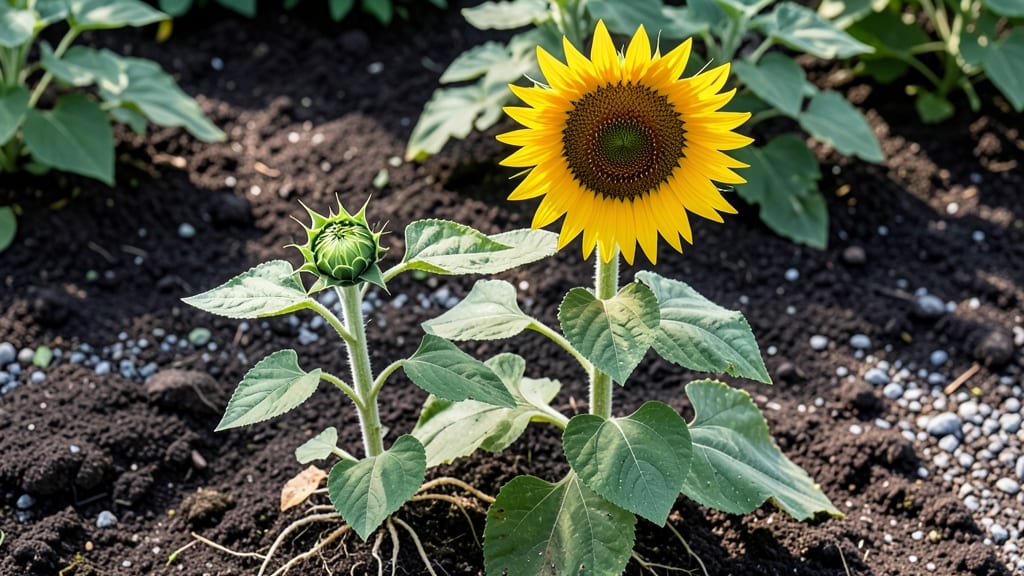
If you’ve ever planted a sunflower seed and wondered how long it takes for a sunflower to flower, you’re not alone—timing is everything!
The answer isn’t one-size-fits-all, but most varieties bloom between 60 to 120 days from seed, depending on sunlight, soil, and even the type of sunflower you’re growing.
Picture this: you drop a seed into warm soil in April or May, and by July or August, you’re rewarded with towering 🌻 stalks reaching for the sky.
But here’s the catch—dwarf sunflowers might surprise you with blooms in as little as 50 days, while giant varieties could take closer to 120 days or more to show off their petals.
Soil temperature, water consistency, and sunlight exposure play a huge role in speeding up—or delaying—that first bloom. Too little sun? Your sunflower might stretch awkwardly, slowing its progress. Too much water? You could drown those delicate roots before they even get a chance to grow.
Want to track your sunflower’s progress? Keep an eye out for stem height and bud formation—those are your best clues. With the right conditions, you’ll be cutting fresh sunflowers for bouquets or enjoying their cheerful faces in your garden in no time.
Let’s break down exactly what to expect along the way.
Sunflower flowering timeline by variety: fastest to slowest bloomers
Sunflowers are nature’s speedy performers, but their bloom times vary dramatically depending on the variety. Dwarf varieties like Teddy Bear can flower in as few as 50 days, while towering Mammoth types may take 120 days or more.
Understanding these timelines helps you choose the right sunflowers for cut arrangements, bird feeders, or quick seasonal impact. Let’s break down the fastest bloomers to the slowest giants.
Most sunflower varieties fall into three broad categories: dwarf (1–3 ft), semi-dwarf (4–6 ft), and giant (8–16 ft). The rule of thumb? Taller varieties typically take longer to mature because they prioritize stem growth before flowering.
However, some cut-flower hybrids like ProCut are bred for speed and uniformity, making them ideal for commercial growers.
ProTip: If you’re growing sunflowers for cut flowers, prioritize varieties with shorter bloom times (60–80 days) to maximize harvests. For bird feeders, taller varieties with longer bloom periods (90–120 days) attract wildlife longer.
| Variety | Height | Bloom Time (Days) | Best For |
|---|---|---|---|
| Teddy Bear | 1–3 ft | 50–60 | Dwarf gardens, containers, bird feeders |
| Sunrich | 2–3 ft | 55–65 | Cut flowers, bouquets, early blooms |
| ProCut | 3–4 ft | 60–70 | Commercial cut flowers, long stems |
| Moulin Rouge | 4–5 ft | 70–80 | Cut flowers, mixed borders |
| Autumn Beauty | 5–6 ft | 80–90 | Long bloom season, wildlife |
| Mammoth | 10–14 ft | 100–120 | Statement plants, bird feeders |
| Russian Giant | 12–16 ft | 110–130 | Tallest varieties, dramatic impact |
Notice how dwarf varieties like Teddy Bear and Sunrich bloom in under 60 days, making them perfect for container gardens or early-season color. These types also produce smaller seeds, which are less appealing to birds—ideal if you’re not using them as feeders.
Meanwhile, giant varieties like Russian Giant take 110–130 days to flower but reward you with massive blooms that can reach 16 feet tall.
For cut-flower growers, ProCut and Moulin Rouge strike a balance with 60–80 day bloom times and long, sturdy stems. These varieties are bred to resist lodging (falling over) and hold up well in bouquets.
If you’re growing for bird feeders, opt for Autumn Beauty or Mammoth, which produce high-fat seeds that birds adore and bloom later in the season for extended wildlife support.
One common misconception is that taller sunflowers always take longer to bloom. While this is often true, some semi-dwarf varieties like Moulin Rouge defy expectations by flowering in 70–80 days while still reaching 5 feet tall.
This makes them a great compromise for smaller gardens that still want height and drama.
If you’re planning a sequential bloom garden, mix fast and slow varieties. Plant Teddy Bear in early spring for June blooms, then follow with Mammoth for late summer impact. This ensures your garden stays vibrant from early summer to frost.
Just be mindful of spacing—giant varieties need 2–3 feet of space, while dwarfs thrive in groups of 6–12 plants per square foot.
For container growers, stick to dwarf or semi-dwarf varieties. A 5-gallon pot can comfortably hold 3–4 Teddy Bear plants, which will bloom in 50–60 days. Place containers in full sun and use a lightweight potting mix to prevent root stress. Avoid overwater
Key factors that speed up or delay sunflower blooming (and how to optimize them)
Sunflowers are fast growers, but their bloom time can vary dramatically based on a few critical factors. The soil temperature is the biggest game-changer—sunflowers won’t sprout until the soil warms to at least 50°F.
If you plant too early, your seeds may rot in cold soil, delaying blooms by weeks. Even after germination, cooler soil slows root development, which directly impacts stem growth and flowering speed.
Another key player is sunlight exposure. Sunflowers crave 6-8 hours of direct sun daily, but they’ll stretch awkwardly (a condition called etiolation) if they don’t get enough light. This not only makes them top-heavy but also delays bud formation.
In shady spots, blooms can be pushed back by 2-4 weeks or more. Conversely, too much intense afternoon sun without proper water can stress plants, causing buds to drop prematurely.
Now, let’s cut to the chase with the most impactful factors and how to optimize them for faster blooms:
- 1 Soil Temperature: Plant seeds only when soil reaches 50°F+. Use black plastic mulch to warm soil faster in cool climates. Cold soil delays germination by 7-14 days.
- 2 Sunlight Hours: Ensure full sun (6-8+ hours). South-facing beds get priority. Without enough light, stems elongate but buds form 3+ weeks later.
- 3 Watering Schedule: Deep water 2-3 times per week during growth. Overwatering causes root rot, while underwatering stresses plants, delaying blooms by 10-20 days. Drip irrigation is ideal.
- 4 Fertilization: Use a balanced 5-10-10 fertilizer at planting and again when stems reach 12 inches. Too much nitrogen = leafy growth, no flowers. Phosphorus boosts blooms.
- 5 Pre-Sprouting: Start seeds indoors 2-3 weeks before last frost in warm soil. Transplant seedlings when they’re 3-4 inches tall to jumpstart growth by 10-15 days.
If your sunflowers are taking longer than expected to bloom, check for nutrient deficiencies—yellow leaves often signal nitrogen issues, while purple stems mean phosphorus is lacking. A quick soil test can reveal imbalances.
For faster results, prioritize warm soil and consistent moisture—these two factors alone can shave 2+ weeks off your bloom time.
Pro tip: Track your sunflower’s progress by measuring stem height weekly. Once stems reach 3 feet, you’ll typically see buds form within 2-3 weeks under ideal conditions.
With these optimizations, you could go from seed to 🌻 in as little as 50 days for dwarf varieties—or even sooner with a little extra care!