
Blooming
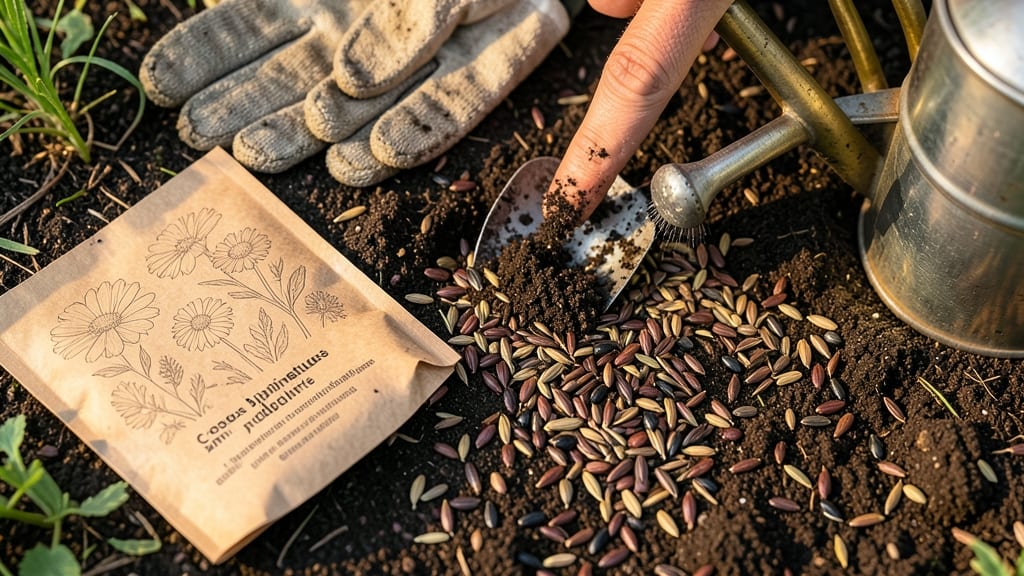
If you’ve ever eagerly waited to see how long it takes for wildflowers to sprout, only to stare at empty soil for weeks, you’re not alone.
The truth is, germination timing depends on more than just luck—it’s a mix of seed type, soil warmth, and moisture levels that can speed up or stall those first green shoots.
Some varieties, like cosmos, pop up in just 5–10 days under ideal conditions, while others, such as lupines, might take 30+ days to break through the soil. In USDA Zone 6a, where spring temperatures fluctuate, timing becomes even trickier—cool soil can delay sprouting by weeks.
But here’s the good news: with the right techniques, you can cut that waiting time in half.
Whether you’re planting in early spring or late summer, I’ll break down the fastest-sprouting wildflowers, how to prep your soil for success, and even a few pro tips to coax stubborn seeds into action.
Ready to turn your patch of dirt into a blooming paradise? Let’s dig into what’s really holding back your 🌼 wildflowers and how to get them growing faster.
Wildflower germination times by seed type: fastest to slowest sprouters
If you’ve ever eagerly waited for wildflower seeds to sprout, only to be met with silence from the soil, you’re not alone. The germination timeline for wildflowers varies wildly by species, with some popping up in just 5 days while others take 60+ days to show signs of life.
Understanding these differences helps you set realistic expectations and troubleshoot delays. For example, cosmos seeds often sprout in 7–10 days, while lupines can take 30–60 days—a gap that feels like forever when you’re watching for greenery!
The key factors influencing these timelines are seed type, soil temperature, and moisture consistency. Annual wildflowers like zinnia and marigold tend to germinate faster because their seeds are adapted to quick growth cycles.
Meanwhile, perennial wildflowers like black-eyed Susan or coneflower often have slower germination due to tougher seed coats designed for survival in harsh conditions. Even within the same family, varieties can differ—California poppies might sprout in 14–21 days, while lupines from the same region can take twice as long.
Let’s break down why these timelines matter in real-world gardening. If you’re planting a wildflower meadow for instant color, opt for fast-sprouting annuals like cosmos or zinnias. Their 5–14 day germination windows mean you’ll see greenery (and eventually blooms) within weeks.
In contrast, if you’re restoring a native prairie with perennials like lupines or coneflowers, patience is key—these seeds often need 30+ days to break dormancy, especially in cooler climates.
I once planted a mix of cosmos and lupines in my garden; the cosmos were already 2 inches tall while the lupine seeds hadn’t even cracked open after 3 weeks!
Regional differences also play a huge role. In warmer climates like Zone 8–10, seeds like sunflowers or marigolds may sprout in half the time compared to cooler
Soil temperature’s hidden role: how heat speeds up (or slows down) wildflower sprouting
Soil temperature isn’t just background noise—it’s the secret catalyst for wildflower germination. Some seeds like sunflowers need 70–80°F soil to wake up, while others, like California poppies, prefer cooler 60°F ranges. Get this wrong, and your seeds might take weeks longer to sprout—or never break through at all.
Think of soil temperature like a thermostat for seeds. Too cold, and enzymes stall; too hot, and seeds can overheat and die. Even a 10°F difference can double germination time. That’s why timing your planting matters—especially in USDA Zone 6a where spring temps swing wildly.
For fastest sprouting, aim to plant when soil hits your wildflowers’ ideal temp range. Use a soil thermometer (just $10 at garden centers) to check—dig 2 inches deep where seeds will go. Morning is best for readings, as temps fluctuate less.
Cold soils are the #1 reason wildflowers fail to sprout on time. If your area’s spring stays chilly (like Zone 6a), try black plastic mulch to warm soil by 10–15°F. Pro tip: Cover seeds with clear plastic wrap temporarily to trap heat—just remove it once sprouts appear.
Heat stress is sneaky too. Seeds planted in 90°F+ soil can suffocate before germinating. If your summer’s brutal, opt for shade-loving varieties like black-eyed Susans or plant in partial shade until soil cools. Evening watering helps too—it lowers daytime temps.
Remember: Consistency beats extremes. Wildflowers thrive when soil temps stay within their preferred 5–10°F window. If you’re in doubt, stratify seeds (mimic winter cold) or use a seedling heat mat for stubborn varieties. Patience pays off—your wildflower meadow will thank you! 🌼