
Blooming
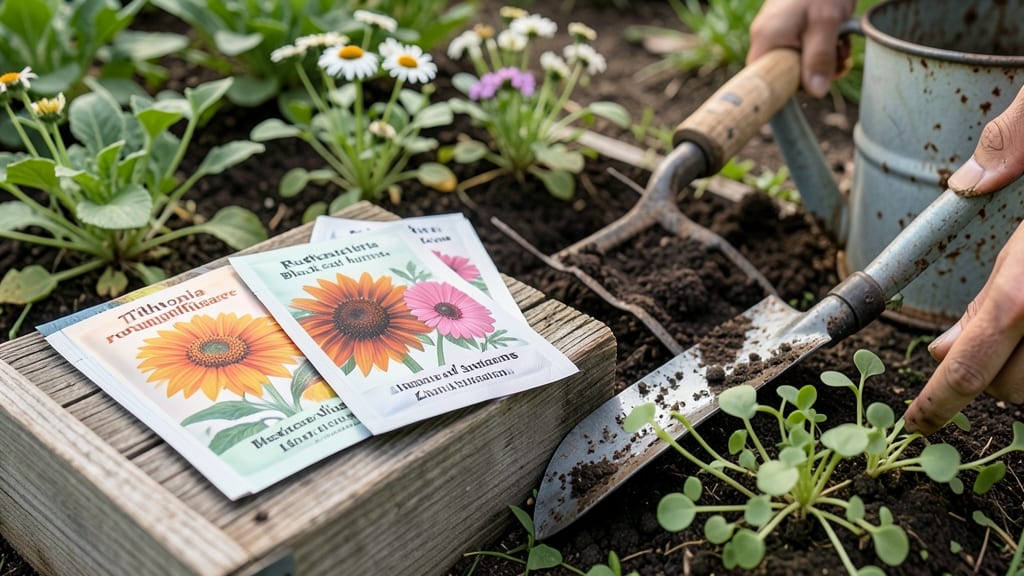
To get wildflowers 🌼 sprouting faster, you might be surprised by how quickly some varieties pop up—while others take weeks to show their first green shoots.
The difference often comes down to seed type, soil moisture, and a few simple tricks that can shave days (or even weeks) off your waiting time.
Most annual wildflowers like cosmos and zinnias appear in just 5–14 days when conditions are right, but perennials such as black-eyed Susans or coneflowers can take 2–4 weeks to break through the soil.
The key? Keeping the soil consistently moist (not soggy) and planting at the right time—spring or fall—for your USDA Zone 6a climate.
If you're eager to see those first tiny sprouts, I’ll share my top moisture strategies—from pre-soaking seeds to using clear containers to track progress. These small adjustments can make all the difference between a patchy, slow start and a vibrant, speedy bloom.
Ready to skip the guesswork? Let’s dive into the science-backed methods that’ll have your wildflowers popping up on schedule—no more waiting around for nature to take its sweet time.
Wildflower germination timeline by species: fastest to slowest sprouters
If you've ever impatiently waited for wildflower seeds to sprout, you're not alone. Some varieties like cosmos pop up in just 5-7 days, while others like black-eyed Susans take 3-4 weeks to break through the soil. Understanding these timelines helps set realistic expectations and adjust your planting strategies accordingly.
The fastest-sprouting wildflowers thrive in warm soil and consistent moisture, while slower varieties often need cold stratification or deeper planting. Even within the same species, germination times can vary by 10-15 days depending on your USDA zone and soil temperature.
Notice how cosmos and zinnias top the list? These fast-sprouting wildflowers love warm soil, so I always plant them
Moisture tricks to speed up wildflower germination: science-backed methods
Wildflower seeds need consistent moisture to break their dormancy and sprout, but too much water can drown them while too little leaves them parched. The secret lies in balanced hydration—keeping the soil damp (not soggy) without letting it dry out completely.
I’ve found that pre-soaking seeds for 12–24 hours before planting can cut germination time by nearly half, especially for slower varieties like black-eyed Susans.
Another game-changer? Using bottom-watering trays or clear plastic containers. This method lets you monitor soil moisture levels while ensuring roots stay hydrated without surface evaporation.
For outdoor beds, a light mulch layer (like straw or shredded leaves) locks in moisture and regulates temperature—ideal for USDA Zone 6a climates where spring nights can still dip chilly.
Here’s where many gardeners go wrong: overwatering creates anaerobic conditions that suffocate seeds. Instead, aim for daily light misting in the morning, then let the top inch of soil dry slightly between waterings. This mimics natural rainfall patterns and prevents fungal growth, which can rot seeds before they even sprout.
- Rule 1: Keep soil consistently damp (like a wrung-out sponge) but never waterlogged. Use a moisture meter or stick your finger 1 inch deep—if it’s dry, water lightly.
- Rule 2: Water early morning (before 10 AM) to reduce evaporation and fungal risks. Avoid evening watering, which promotes disease in damp conditions.
- Rule 3: Use mulch (straw, pine needles) to retain moisture and block weeds. For containers, add a clear lid or plastic wrap to create a mini greenhouse effect—just remove it once sprouts appear.
For slow-sprouting perennials, try a warm-water soak (100°F for 24 hours) to mimic natural heat cycles. This works wonders for seeds that require stratification, like lupines or bluebonnets.
Just be sure to rinse seeds afterward to remove excess heat before planting. Pro tip: Label your trays with the planting date and expected sprouting window to track progress.
If you’re planting in spring or fall, time your watering with natural rainfall patterns. In Zone 6a, early spring showers often provide enough moisture—supplement only if the soil feels dry. For fall plantings, reduce watering as temperatures drop, but keep the soil from drying out completely until frost.
Remember, patience is key, but these moisture tricks can shave weeks off your waiting time. Start with fast-sprouting varieties like cosmos or zinnias to test your setup, then move to slower perennials once you’ve mastered the balance.
With the right approach, you’ll see those first tiny green shoots in as little as 5–10 days—no more staring at empty soil wondering where your wildflowers went!