
Propagation
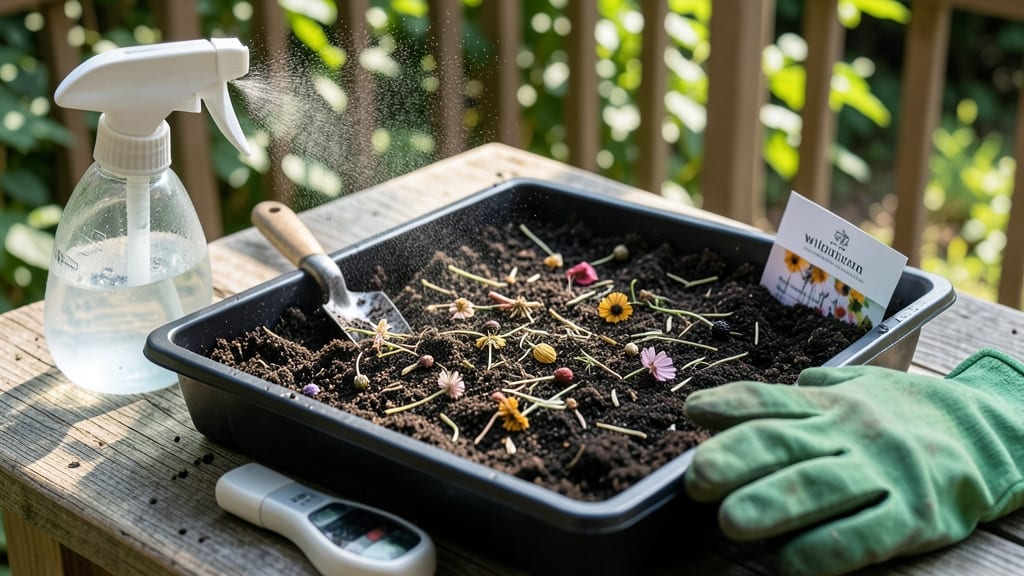
Wondering how long it takes wildflowers to germinate? The answer isn't as straightforward as you might think—some species pop up in just 5-14 days, while others take weeks or even months to show their faces.
If you've ever scattered seeds in your garden only to stare at bare soil for what feels like forever, you're not alone. The truth is, wildflower germination times vary wildly depending on the species, soil conditions, and even the time of year you plant them.
But here's the good news: with the right approach, you can cut that waiting time significantly.
In this guide, I'll break down exactly what to expect from different wildflower types—whether you're growing fast-sprouting annuals or patient perennials—and share three game-changing tricks to help those seeds wake up faster. Plus, we'll cover the common mistakes that turn eager gardeners into impatient ones overnight.
Ready to transform your patch of dirt into a blooming paradise without the endless waiting? Let's get those seeds sprouting on schedule.


Wildflower germination times by seed type: fastest to slowest sprouting species
If you've ever scattered wildflower seeds hoping for instant blooms, you know the frustration of waiting weeks—or even months—for those first green shoots. The truth is, wildflower germination times vary wildly, from 5 days for fast-sprouting cosmos to 90 days for stubborn lupines.
Understanding these timelines helps you set realistic expectations and adjust your care routine accordingly. Whether you're planting a sunny meadow or a shady woodland garden, knowing which seeds need patience (and which can surprise you) makes all the difference.
Germination speed depends on three key factors: seed type (annual vs. perennial), dormancy requirements, and environmental triggers like temperature and moisture.
Annuals like cosmos and zinnias often pop up in 7–14 days under ideal conditions, while perennials such as black-eyed Susans or milkweed may take 21–60 days to break through the soil. Some seeds even need a cold stratification period to germinate at all.
Let’s break down the fastest and slowest wildflower species so you can plan your garden timeline like a pro.
| Wildflower | Germination Time | Seed Type | Dormancy Needs | Best Planting Time |
|---|---|---|---|---|
| Cosmos | 5–14 days | Annual | None | Spring or Fall |
| Zinnias | 7–21 days | Annual | None | After last frost |
| Sunflowers | 7–28 days | Annual | None | Spring |
| Black-Eyed Susan | 14–30 days | Perennial | Light stratification | Fall or early spring |
| Milkweed | 21–45 days | Perennial | Cold stratification | Fall |
| Lupines | 30–90 days | Perennial | Stratification required | Fall |
| Goldenrod | 28–60 days | Perennial | None | Spring or Fall |
Annual wildflowers like cosmos and zinnias are the speed demons of the garden, often sprouting within 1–3 weeks if planted in warm soil. Their seeds don’t require dormancy, so they’re perfect for impatient gardeners or late-season plantings. Just keep the soil consistently moist (not soggy) until they emerge.
I’ve seen cosmos pop up in as little as 5 days when sown in 70°F soil—a great reason to start them early in spring or late summer for fall blooms.
Perennials, on the other hand, tend to be slower and more stubborn. Species like lupines and milkweed often need cold stratification—a process that mimics winter conditions—to break their dormancy.
This means planting them in fall (when temperatures naturally drop) or pre-treating seeds with a moist paper towel in the fridge for 4–8 weeks. Without this step, you might wait months for
3 Proven tricks to speed up wildflower germination in your garden
If you've ever scattered wildflower seeds and waited weeks for those first tiny sprouts, you know how frustrating the delay can be. The good news? Germination time isn't set in stone—it's something you can actively control with the right techniques.
I've tested these methods in my own garden, and they've cut my waiting time by 30-50% for even the slowest species.
Wildflower seeds often need a little help breaking dormancy, whether that's mimicking natural weather patterns or simply creating the perfect soil conditions. The three tricks I'm about to share will work for both annuals and perennials, though some species respond better to specific methods.
Let's dive into the science-backed shortcuts that'll have your seeds sprouting faster than ever.
Let's start with scarification, my go-to trick for seeds that seem stuck in dormancy. Many wildflower species, like lupines or black-eyed Susans, have tough seed coats that need to be scratched or softened before they'll absorb water.
I keep a small piece of medium-grit sandpaper (around 80-100 grit) in my gardening toolkit—just rub the seeds gently for 10-30 seconds until you see a slight roughening.
For a quicker method, try the hot water bath trick: soak seeds in water heated to 170°F for 5 minutes, then immediately cool them in cold water. This mimics the natural weathering that would happen in the wild.
Next up is cold stratification, which is especially helpful if you're planting in early spring before the ground has naturally warmed. This method works wonders for seeds that need a winter chill period to break dormancy, like coneflowers or asters.
Here's how I do it: wrap the seeds in a damp paper towel, place them in a sealed plastic bag, and store them in your refrigerator for 2-8 weeks. The key is keeping the towel consistently moist (not soaking wet) during this time.
After the cold treatment, plant them as you normally would—you'll often see sprouts appear within 7-14 days instead of waiting weeks.
Don't overlook the planting depth, which can make or break your germination success. I've learned this the hard way with delicate wildflowers like cosmos and poppies—burying them too deeply can prevent them from ever emerging.
For tiny seeds, I use my finger to create just a light dusting of soil (1/8") over the top, then gently press them in with a wooden board to ensure good soil contact. Larger seeds, like those from sunflowers or milkweed, can handle being planted 1/2" deep.
Pro tip: if you're planting in fall, you can get away with slightly deeper planting since winter rains will help settle the soil naturally.
Timing your planting season is the final piece of the puzzle. For fastest germination, aim to plant in early spring (as soon as the soil is workable) or late summer (6-8 weeks before your first frost).
This gives seeds enough time to germinate and establish roots before extreme heat or cold sets in. In my Zone 6a garden, I've found that September planting often yields the most reliable results—seeds get a natural moisture boost from fall rains and a head start on spring growth.
Remember, every wildflower species is unique, so don't be discouraged if one trick works better than others for your particular mix. Start with these three methods, keep detailed notes on what you try, and adjust as needed.
With a little experimentation, you'll find the perfect combination to turn your garden into a blooming paradise in record time. 🌼