
Propagation
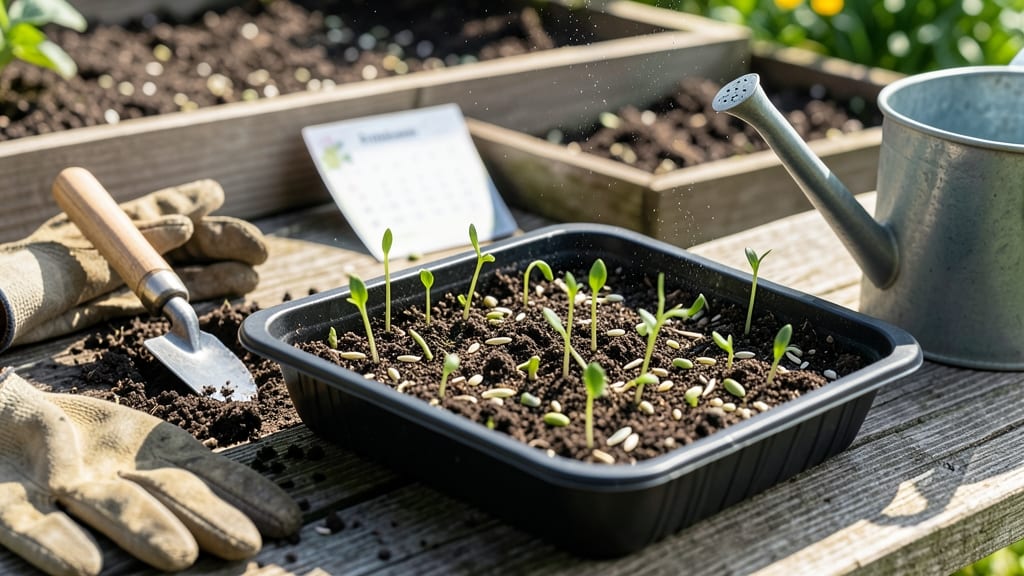
If you’ve ever scattered wildflower seeds hoping for a burst of color—only to stare at bare soil for weeks wondering how long for wildflowers to germinate—you’re not alone.
The truth is, that waiting period can vary wildly, but the right conditions can turn it into a 5-day sprint instead of a 4-week marathon.
Some species pop up in just 7 days, while others take months, and the difference often comes down to soil temperature, moisture, and even seed depth.
Let’s cut to the chase: patience is key, but so is strategy. Whether you’re dreaming of a meadow bursting with 🌼 black-eyed Susans or delicate poppies, understanding the germination timeline—and how to tweak it—means the difference between a garden that blooms and one that flops.
I’ll walk you through the fastest-sprouting wildflowers, the sneaky tricks to speed up germination, and why your seeds might be playing hide-and-seek in the dirt.
Here’s the game-changer: most wildflowers need warmth to wake up, but too much water or burying them too deep can stall their growth. We’ll dive into the 3 soil secrets that’ll have your seeds breaking through the soil faster than you can say “pollinator paradise.”
Ready to turn your garden into a thriving haven without the endless wait?
From annuals that sprout in a flash to perennials that take their sweet time, I’ll cover what to expect—and how to troubleshoot when things go sideways. By the end, you’ll know exactly what to do to give your wildflowers the best possible start, no matter what zone you’re in.


Wildflower germination times by seed type: fastest to slowest sprouters
If you’ve ever scattered wildflower seeds and waited impatiently for tiny green shoots to appear, you’re not alone. Some wildflowers pop up in just 5 days, while others take over 45 days to break through the soil.
The difference often comes down to whether they’re annuals (fast-growing) or perennials (slower starters), plus how you prep the soil. Let’s dive into the germination timelines for popular wildflowers and what you can do to speed things up.
Fast-sprouting wildflowers like cosmos and zinnia are the superstars of quick germination, often appearing within 7-14 days under ideal conditions. On the other end of the spectrum, milkweed and black-eyed Susan can take 3-6 weeks to show signs of life.
Understanding these timelines helps you set realistic expectations and troubleshoot delays before they become a problem.
Temperature and moisture are the two biggest factors influencing germination speed. Most wildflower seeds germinate best when soil temperatures hover between 60°F and 80°F. Cooler soils (50°F or below) can stall germination for weeks, while consistent moisture (not soggy!) keeps seeds from drying out.
For example, lupine seeds need cold stratification (a period of cold moisture) to break dormancy, which can add extra time to their germination clock.
Here’s a quick breakdown of what to expect based on seed type, from the fastest to the slowest sprouters:
Annual wildflowers like cosmos and zinnia are the speed demons of the garden, often germinating in 5-14 days when conditions are right. These plants thrive in warm soil and don’t require complex prep work, making them perfect for beginners.
If you’ve sown these seeds and haven’t seen sprouts in 2 weeks, check your soil moisture—dry seeds won’t germinate, no matter how warm they are.
Perennial wildflowers, like black-eyed Susan and milkweed, take longer because they invest energy in establishing deep roots for long-term survival. These seeds often need stratification (a period of cold, moist conditions) to break dormancy, which can add 2-4 weeks to their germination timeline.
For example, milkweed seeds might sit in the soil for 30-60 days before sprouting, especially if planted in early spring.
One common misconception is that all wildflower seeds germinate at the same rate. In reality, seed age plays a huge role—older seeds (over 2 years) may take 2-3 times longer to sprout.
Always check the packaging date and store seeds in a cool, dry place to maintain viability. If you’re mixing seed types, group them by germination speed to avoid confusion when monitoring progress.
Light exposure also affects germination. Some wildflowers, like poppies, need light to germinate and should only be covered with a thin layer of soil (or none at all). Others, like clover, prefer dark, moist conditions and should be planted slightly deeper.
Always read the seed packet for specific instructions—this small detail can mean the difference between success and failure.
If your wildflower seeds aren’t sprouting within the expected timeframe, don’t panic. First, verify that your soil temperature meets the requirements for the seed type. Use a soil thermometer to check—most garden centers sell them for under $10. Next, ensure the soil is moist but not waterlogged.
Overwatering can suffocate seeds, while underwatering leaves them dehydrated. A simple fix is to cover the seeded area with mulch or straw to retain moisture without compacting the soil.
Patience is key, especially with slow-sprouting perennials. Some seeds, like those from native grasses, can take up to 90 days to germinate because they’ve evolved to survive in harsh conditions. During this
3 Soil tricks to speed up wildflower germination in 7 days or less
Wildflower seeds can feel like they’re playing a game of hide-and-seek, but the right soil conditions turn that waiting game into a fast-tracked sprint. The secret lies in mimicking their natural environment—whether that means giving them a light touch or a moist, dark cozy spot.
Some seeds, like poppies, need sunlight to germinate, while others, like clover, prefer darkness. Let’s dive into the 3 soil hacks that’ll have your wildflowers breaking through the soil in record time.
First, let’s talk about seed pre-soaking. Many wildflower seeds have tough outer shells that need a little help to soften. Soaking them in lukewarm water for 12-24 hours before planting can jumpstart germination by 3-5 days.
This works especially well for seeds like cosmos and zinnia, which often struggle with slow sprouting. Just be careful not to over-soak—24 hours max—or you risk rotting the seeds.
Next, adjusting soil pH is a game-changer. Most wildflowers thrive in slightly acidic to neutral soil (pH 6.0-7.0). If your soil is too alkaline (pH above 7.5), seeds may refuse to sprout.
Test your soil with a DIY pH kit and amend it with peat moss or sulfur to lower pH if needed. For example, lupines and bluebonnets love slightly acidic soil, while sunflowers prefer neutral conditions.
- 1 Pre-soak seeds for 12-24 hours in lukewarm water to soften tough shells. Best for cosmos and zinnia.
- 2 Adjust soil pH to 6.0-7.0 using peat moss or sulfur. Test first with a pH kit.
- 3 Add worm castings or compost tea for nutrients and moisture retention. Mix into top 1-2 inches of soil.
Finally, organic matter like worm castings or compost tea works like a fertilizer and moisture booster all in one. Worm castings are packed with nutrients and beneficial microbes that help seeds sprout faster. Mix a handful into the top 1-2 inches of soil before planting.
For light-loving seeds like poppies, sprinkle them on top of the soil and press lightly—don’t bury them! For darkness-loving seeds like clover, cover them with a thin layer of soil or mulch to keep them moist and shaded.
One more pro tip: keep the soil consistently moist (not soggy) during germination. Use a spray bottle for delicate seeds or a gentle watering can for heartier varieties. Avoid overhead watering, which can wash seeds away or create muddy conditions.
If you’re planting in hot, dry climates, consider using a lightweight mulch like straw to retain moisture and regulate soil temperature.
With these 3 soil tricks, you’ll see sprouts in as little as 5-7 days for fast-growing wildflowers like cosmos and marigolds. Even slower starters like milkweed or black-eyed Susans will pop up faster than expected.
The key is patience paired with the right conditions—think of it as giving your seeds a head start on their journey to becoming a vibrant wildflower meadow.