
Flowers
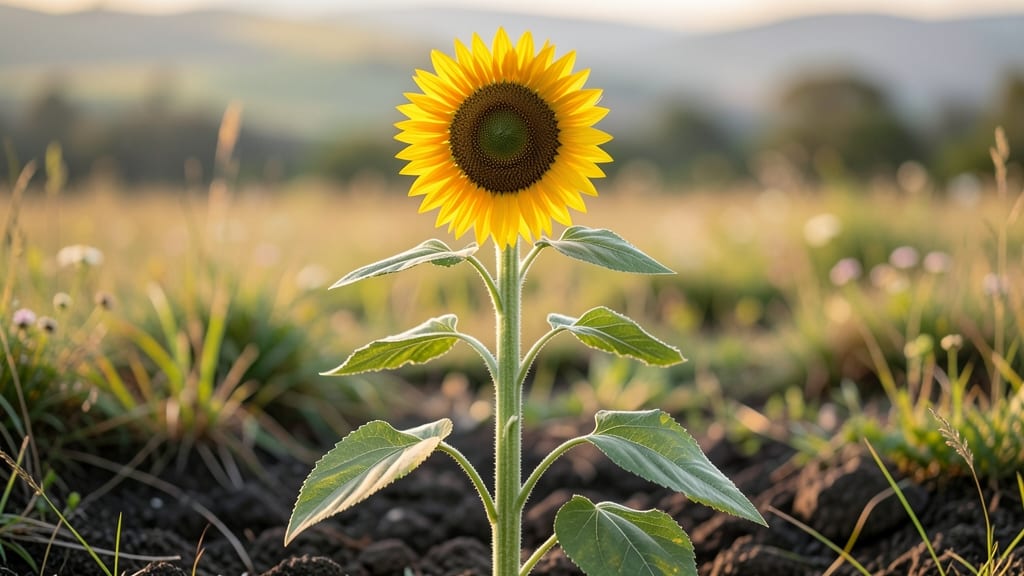
Sunflower sunlight requirements: the ideal 6-12 hours daily breakdown
Sunflowers thrive under full sun exposure, but their sunlight needs change dramatically from seedling to maturity. While they love basking in 6-12 hours daily, understanding their evolving requirements ensures your plants grow tall, strong, and vibrant.
Too little light stunts growth, while too much can scorch delicate leaves—balancing both is key.
Most gardeners assume sunflowers need constant full sun, but their light requirements shift as they mature. Seedlings need gentle morning sun to prevent burning, while flowering plants demand peak afternoon light for bud development.
Let’s break down their needs by growth stage so you can position them perfectly in your garden.
🌻 Pro Tip: Use a sunlight tracker or garden app to measure actual hours of direct light your sunflowers receive. Many gardeners overestimate sunlight exposure, leading to underperforming plants.
| Growth Stage | Sunlight Needs (Hours/Day) | Key Requirements | Ideal Placement |
|---|---|---|---|
| Seedling (0-4 weeks) | 4-6 hours | Morning sun only; protect from hot afternoon rays | Partial shade (e.g., dappled sunlight under trees) |
| Vegetative (4-8 weeks) | 6-8 hours | Full sun tolerance increases; stems strengthen | South-facing beds or raised beds with afternoon sun |
| Flowering (8-12 weeks) | 8-12 hours | Peak sunlight for bud development; avoid shade | Open, sunny areas (e.g., south or west exposures) |
| Maturity (12+ weeks) | 6-8 hours | Reduced needs; focus on seed development | Original full-sun spot or light shade to prevent overheating |
During the seedling stage (0-4 weeks), sunflowers are most vulnerable to sunburn. I’ve seen young plants wilt dramatically when exposed to hot afternoon sun—their tender leaves lack the protective wax coating of mature plants.
Start seedlings in a bright, indirect light spot or use shade cloth (30-50% coverage) to filter intense rays.
By the time sunflowers reach the vegetative stage (4-8 weeks), they can handle 6-8 hours of full sun daily. This is when their stems begin to thicken and elongate, preparing for the flowering phase.
If you notice yellowing leaves or stunted growth, they’re likely not getting enough light—consider moving them to a sunnier location or using a reflective surface (like white mulch) to bounce light onto their leaves.
When sunflowers enter flowering (8-12 weeks), their sunlight requirements peak at 8-12 hours daily. This is critical for bud formation and pollen development. I once grew sunflowers in a partial shade garden, and while they survived, their flower heads were small and sparse.
To maximize blooms, position your plants in the sunniest spot in your yard, ideally facing south or west for extended afternoon light.
At maturity (12+ weeks), sunflowers can tolerate slightly less sunlight (6-8 hours), but their seed development still requires consistent light. If you’re growing giant varieties, like Mammoth Russian, ensure they have unobstructed access to light—tall neighbors or structures can cast unwanted shade as they grow.
To measure sunlight accurately, use a sunlight tracker or garden journal to log hours of direct light. Place a white board or solar panel near your sunflowers—shadows cast by the board will show you exact sunlight exposure.
Alternatively, apps like Sun Surveyor or Gardenate can map your garden’s light conditions for free.
One common mistake is assuming all sunlight is equal. Morning sun (cooler and less intense) is gentler for seedlings, while afternoon sun (hotter and more direct) is better for flowering plants.
If your garden lacks natural afternoon sun, consider supplemental grow lights (LED or fluorescent) for 4-6 hours daily during critical growth stages.
For container growers, rotate pots weekly to ensure even sunlight exposure. Sunflowers grown in pots or raised beds often lean toward the light—turning them 180 degrees every 3-4 days keeps stems straight and prevents light deprivation on one side.
🌱 Key Takeaway: Sunflowers are sun-hungry but adaptable—adjust their light exposure by growth stage for the best results. Start with gentle morning sun, graduate to full sun as they mature, and always prioritize afternoon light during flowering.
Signs of too much or too little sun: how to adjust your sunflower’s light exposure
Sunflowers thrive on sunlight like a teenager on energy drinks—but push them too far, and they’ll crash. Too little sun stunts growth, while excessive heat causes leaf scorch. Watch for these visual warning signs to keep your sunflowers happy and reaching for the sky.
First, check your sunflower’s leaves for discoloration. Yellowing leaves with pale patches signal light deprivation, while crispy, brown edges reveal sunburn damage. Both issues mean your plant’s struggling to find balance.
✅ Too Little Sun
- Stunted growth (tall but spindly stems)
- Pale, yellow leaves (chlorosis)
- Fewer blooms or small flowers
- Leggy stems reaching upward
Solution: Move to full sun (6+ hours) or use reflective surfaces.
❌ Too Much Sun
- Crispy leaf edges (sunburn)
- Wilted, drooping leaves (heat stress)
- Premature wilting of blooms
- Brown, papery leaves
Solution: Provide afternoon shade or mulch heavily.
For partial shade conditions, opt for dwarf varieties like ‘Teddy Bear’ (3–4 ft tall) that tolerate 4–6 hours of sun. Place them near east-facing windows or under light dappled trees for indirect light.
If your sunflowers show heat stress, water deeply in the early morning and mulch with straw or wood chips to retain moisture. Avoid overhead watering during peak sun to prevent leaf scorch.
Remember, morning sun is gentler than afternoon heat. Rotate pots or relocate plants to avoid permanent sun damage. With the right balance, your sunflowers will reward you with vibrant blooms and towering stems.
🌻