
Flowers
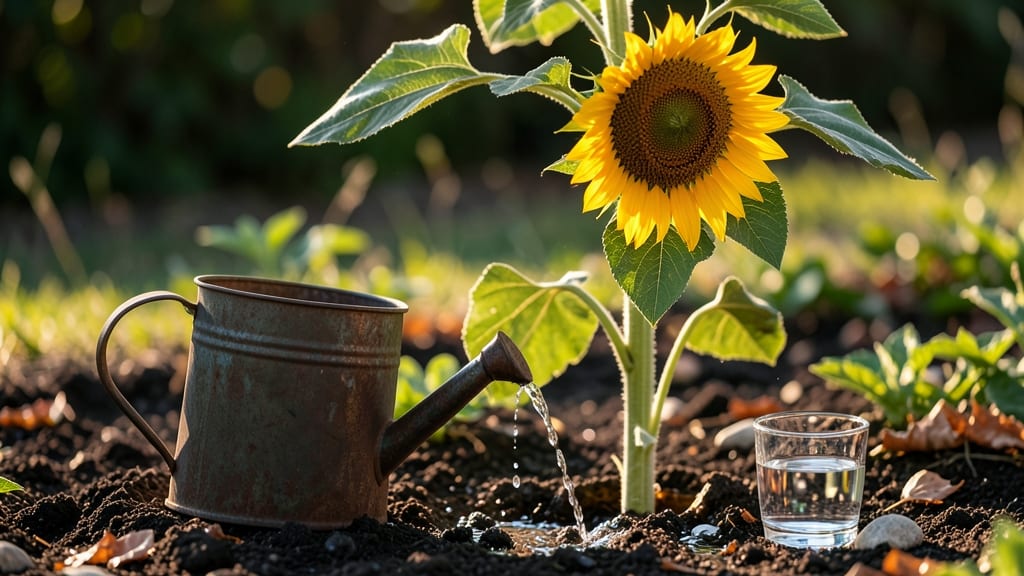
To keep your 🌻 sunflowers thriving, you’re probably wondering how often do sunflowers need to be watered—and the answer isn’t as simple as a one-size-fits-all schedule.
These thirsty giants demand consistent moisture during their rapid growth spurt, but too much can drown their roots faster than you can say "seedling stress."
The golden rule? Aim for 1-1.5 inches of water per week, delivered deep into the soil rather than light sprinkles that barely scratch the surface. Young plants need frequent checks, while mature stalks can handle longer dry spells—if you know the signs to watch for.
Overwatering turns your towering dreams into a soggy mess, while underwatering leaves them drooping like deflated balloons. I’ll show you exactly how to strike that balance, whether you’re battling drought or humid summers, so your sunflowers grow strong from seed to harvest.
Skip the guesswork and master the art of sunflower hydration—because even the hardiest plants need a little help from their gardeners to shine.
Sunflower watering schedule by growth stage: from seed to tower
Sunflowers thrive on consistency, but their hydration needs shift dramatically from seedling to towering maturity. Too little water stunts growth, while too much invites root rot and weak stems. The key? Matching your watering rhythm to each growth stage—and checking soil moisture at the right depth.
New gardeners often drown sunflowers during germination, thinking they need constant moisture. In reality, overwatering at this stage suffocates seeds. The solution? A precise schedule that keeps soil evenly moist but never soggy. Let’s break it down by phase so your sunflowers grow strong from sprout to sunset.
| Growth Stage | Watering Frequency | Soil Moisture Depth | Key Notes |
|---|---|---|---|
| Germination (0-7 days) | Every 1-2 days | Top 1 inch | Keep soil damp, not wet. Use spray bottle for precision. |
| Seedling (7-30 days) | Every 2-3 days | Top 2 inches | Water deeply at base; avoid wetting leaves to prevent disease. |
| Vegetative (30-60 days) | Every 3-5 days | Top 3-4 inches | Reduce frequency as roots deepen; mulch to retain moisture. |
| Flowering (60-90 days) | Every 5-7 days | Top 4-6 inches | Prioritize roots; reduce water if buds appear stressed. |
| Maturity (90+ days) | Every 7-10 days | Top 6+ inches | Cut back to maintain stalk integrity; water only if drought persists. |
During germination, your seeds need a cozy, damp environment—but not a swamp. Aim for 1-2 waterings daily with just enough moisture to keep the top 1 inch of soil damp.
A spray bottle works best to avoid displacing seeds. I once drowned a batch by using a hose; lesson learned: precision matters!
As seedlings emerge, increase soil moisture depth to 2 inches and space waterings to every 2-3 days. This phase is critical for root development. If your seedlings look leggy, they’re thirsty—water deeply at the base to encourage strong stems.
Avoid overhead watering to prevent powdery mildew, a common fungal foe.
By the time your sunflowers hit the vegetative stage (30-60 days), their roots are diving deeper. Now, focus on 3-4 inches of soil moisture and water every 3-5 days.
Mulch with straw or grass clippings to lock in moisture and suppress weeds. I use a 3-inch mulch layer around my sunflowers, which cuts watering needs by nearly 40%.
When buds form, your sunflowers are entering the flowering stage, a period where watering becomes strategic. Reduce frequency to every 5-7 days but ensure moisture reaches 4-6 inches deep.
Overwatering now can cause buds to drop. I monitor soil with a moisture meter—it’s a game-changer for avoiding guesswork.
At maturity, your sunflowers are self-sufficient but still need occasional hydration. Water every 7-10 days, targeting the soil 6+ inches deep. If you’re growing sunflowers for seeds, reduce watering entirely once the back of the flower head turns yellow. This signals maturity and prevents cracking.
Pro tip: Always water in the early morning to let foliage dry before nightfall, reducing fungal risks. I set a timer for 6 AM watering—it’s become a daily ritual.
For container-grown sunflowers, check soil moisture daily since pots dry out faster. Adjust your schedule based on rainfall and humidity; drought-prone areas may need daily watering during summer.
Remember, sunflowers are drought-tolerant once established, but their early stages are delicate. Stick to this schedule, and you’ll watch your sunflowers grow from tiny sprouts to towering giants—ready to turn heads (and bird feeders) alike. 🌻
Signs your sunflowers are thirsty (or drowned): soil and stalk clues
Your sunflowers might look like they’re basking in the sun, but their leaves and stems tell a different story. Wilting isn’t always a sign of thirst—sometimes it’s a cry for help from overwatering. The key is learning to read their soil and stalk language before it’s too late.
Start by checking the soil moisture just below the surface. Stick your finger about an inch deep—if it feels dry, your plant is thirsty. But if it’s soggy, you’ve crossed into drowning territory. Sunflowers hate waterlogged roots, which can rot faster than you can say "golden bloom."
🚨 Watering Warning Signs
Underwatered: Dry soil, crispy leaves, wilting by noon.
Overwatered: Yellow leaves, soft stems, foul-smelling soil.
Perfect Balance: Moist but not soggy soil, firm stalks, vibrant leaves.
💧 Rule of Thumb: Water deeply 2-3x/week (1-2 gallons per plant) rather than daily shallow drinks.
Next, inspect the stem for clues. A healthy stalk should feel firm and upright. If it’s soft or mushy, you’re overwatering—root rot sets in when roots suffocate in wet soil. On the flip side, if the stem feels hollow or brittle, your sunflower is underwatered and struggling to stand.
Don’t ignore the leaves either. Yellowing leaves can mean overwatering, but brown, crispy edges scream thirst. Young leaves curling inward? That’s often a sign of drought stress. Pro tip: Morning wilting that recovers by evening is normal in hot weather, but permanent droop means action is needed.
For a quick soil test, grab a handful of dirt near the roots. If it crumbles easily, your sunflower’s thirsty. If it sticks together like wet clay, you’re overdoing it.
Adjust your watering schedule immediately—sunflowers prefer consistent moisture but hate waterlogged conditions. Mulch around the base to retain moisture without smothering the roots.
Remember, sunflowers are resilient, but they won’t forgive neglect or excess. Pay attention to these soil and stalk clues, and your towering beauties will reward you with bold blooms and plump seeds all season long. 🌻