
Watering
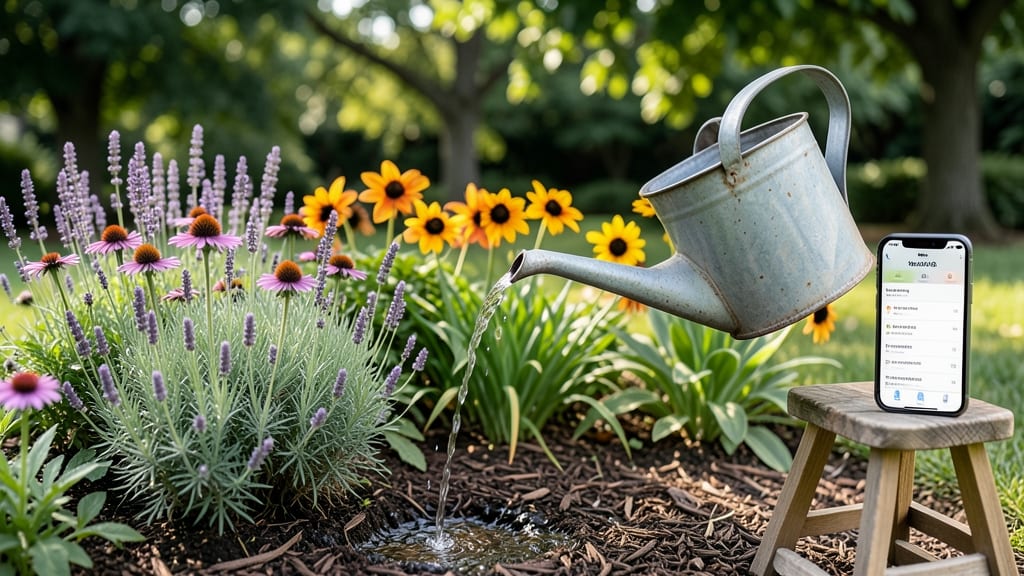
To water flower beds just right, you’re playing a delicate game—too much drowns roots, too little wilts blooms, and guessing never works. The truth?
Your soil type, plant varieties, and even the weather dictate the perfect schedule, and ignoring these details can turn your 🌸 garden into a sad, patchy mess.
I’ve tested countless watering routines, and the biggest mistake gardeners make is treating all flower beds the same. Clay soil holds moisture like a sponge, while sandy soil drains faster than a sieve—so your watering frequency should shift based on what’s under those petals.
Let’s break down the science so you can stop over- or under-watering for good.
Whether you’re growing thirsty annuals or drought-tolerant perennials, this guide will give you a customized schedule that matches your garden’s needs. No more dead zones or wilting stems—just lush, blooming flower beds that thrive year after year.
Ready to master the art of watering? I’ll show you exactly when to reach for the hose (or skip it), how to spot overwatering before it’s too late, and the smartest tools to make the job easier. Let’s get started.
Watering frequency by soil type: clay vs. sandy vs. loamy flower beds
Your soil type is the silent boss of your flower bed’s watering schedule. I’ve learned this the hard way—drowning petunias in clay soil or letting zinnias dry out in sandy soil will both end in tragedy.
The key? Understanding how each soil type behaves. Clay holds moisture like a water balloon, while sandy soil drains faster than a colander. Loam? That’s the Goldilocks of soil—just right for most flowers.
Before you grab the hose, test your soil’s moisture level by sticking your finger 1-2 inches deep. If it feels dry, it’s time to water. But how often? That depends entirely on whether you’ve got clay, sandy, or loamy soil.
Let’s break down the watering rules for each, so you can stop guessing and start growing thriving flower beds.
🌱
Clay soil is a water hoarder. It’s dense and compacted, so water pools instead of draining. This means you’ll water less often but need to go deep—think 1-2 inches per session. The goal?
Encourage roots to grow downward where moisture lingers. If your clay soil feels soggy after watering, cut back to every 7 days and consider adding organic matter like compost to improve drainage.
On the flip side, sandy soil drains like a sieve. Water disappears in minutes, leaving roots thirsty. Here, you’ll water more frequently but only lightly—about ½ inch at a time.
This mimics natural rainfall and prevents runoff. For sandy beds, mulch heavily with straw or wood chips to slow moisture loss and keep roots cool.
Loamy soil is the ideal middle ground. It balances moisture retention and drainage, making it the easiest to water. Aim for 1 inch of water every 3-5 days in summer, adjusting for rain.
If your loam feels dry at 2 inches deep, it’s time to water. The best part? Loamy soil rarely needs amendments—just top-dress with compost annually for optimal performance.
💧
Mulching changes the game for all soil types. A 2-3 inch layer of mulch (straw, pine needles, or shredded bark) locks in moisture, regulates soil temperature, and reduces weeds. For clay soil, mulch prevents surface crusting.
In sandy soil, it slows evaporation. And in loamy soil, it maintains that perfect balance. Just avoid piling mulch against plant stems to prevent rot.
To test your soil’s moisture, use the finger test: Push your index finger 1-2 inches deep. If it feels dry, water. If it’s damp, wait another day. For clay soil, check every 5-7 days.
For sandy soil, test daily in extreme heat. Loamy soil? Check every 3-5 days. This simple habit saves water and keeps roots happy.
Pro tip: Water in the early morning (before 10 AM) to reduce evaporation and fungal risks. Avoid evening watering—wet foliage overnight invites powdery mildew. If you’re using a soaker hose or drip irrigation, set timers to match your soil type’s needs.
For clay, run it longer but less often. For sand, shorter sessions more frequently.
🌿
Still unsure about your soil? Grab a soil test kit (or send a sample to your local extension office for $15-$20). It’ll reveal your soil’s texture, pH, and nutrient levels.
If your soil is pure clay or sand, amend it gradually: Mix in compost for clay or peat moss/sand for sandy soil. Over time, you’ll transform even the trickiest soil into a flower bed paradise.
Remember, consistency is key. Stick to your soil’s watering schedule, and your flowers will reward you with vibrant blooms all season. Start with these guidelines, adjust based on your garden’s response, and soon you’ll have a watering routine that
Plant-specific watering schedules: annuals vs. perennials vs. bulbs
Not all flowers drink the same way—some guzzle water like thirsty travelers, while others sip delicately to avoid root rot. As a gardener who’s drowned petunias and starved lavender, I’ve learned the hard way that annuals, perennials, and bulbs each have their own hydration needs.
Annuals like marigolds and zinnias demand daily moisture to keep blooming, while perennials like coneflowers and black-eyed Susans thrive on deep, infrequent drinks. And bulbs? They’d rather have it dry than soggy.
Your watering schedule should match your garden’s plant lineup. For example, I once killed a dahlia patch by watering them like annuals—until I realized they’re perennials that prefer drought-like conditions once established.
Let’s break down the exact schedules for each type, plus my top picks for drought-tolerant flowers that won’t wilt when you forget the hose.
| Plant Type | Watering Frequency | Depth | Best Time | Drought-Tolerant Alternatives |
|---|---|---|---|---|
| Annuals (e.g., Petunias, Marigolds, Zinnias) | Daily to every other day (summer) | 1-2 inches | Morning (6-9 AM) | Lantana, Portulaca (Moss Rose) |
| Perennials (e.g., Coneflowers, Lavender, Black-Eyed Susans) | Weekly (deep soak) | 2-3 inches | Early morning or late afternoon | Russian Sage, Sedum (Stonecrop) |
| Bulbs (e.g., Tulips, Daffodils, Hyacinths) | Bi-weekly (spring) to monthly (summer) | 1 inch (avoid soggy soil) | Morning (avoid wetting foliage) | Allium (Ornamental Onion), Fritillaria |
For annuals, think of watering like giving them a daily shower—consistent and light. I use a soaker hose set to a gentle mist in the morning to keep marigolds and petunias thriving without drowning their roots.
The key here is frequency over depth, especially in hot, sunny climates where evaporation happens faster than you can say "wilting."
Perennials, on the other hand, are the low-maintenance divas of the garden. They’d rather you give them a deep drink once a week than a sip every day. I’ve seen coneflowers and lavender bounce back from weeks without water if their roots run deep.
The trick? Water until the soil is 6 inches deep, then let it dry out. This mimics their natural drought-resistant habits.
Bulbs are the most finicky when it comes to water. Overwatering them leads to rot, while underwatering stunts their blooms. During spring growth, water them bi-weekly—just enough to keep the soil moist but not soggy.
Once they’ve bloomed, cut back dramatically to let the bulbs store energy for next year. My daffodils thrive with almost no summer watering, proving that less is more.
If you’re tired of dead zones in your flower beds, swap in drought-tolerant plants like lantana or sedum. These beauties survive on rainfall alone once established, giving you one less thing to remember.
I replaced half my water-hogging annuals with these, and my water bill dropped—plus, the garden looks just as vibrant. Win-win!
Pro tip: Group plants by their watering needs in your flower beds. This way, you’re not juggling a dozen different schedules. For example, dedicate one bed to thirsty annuals and another to drought-loving perennials. Your garden—and your watering routine—will thank you. 🌱