
Watering
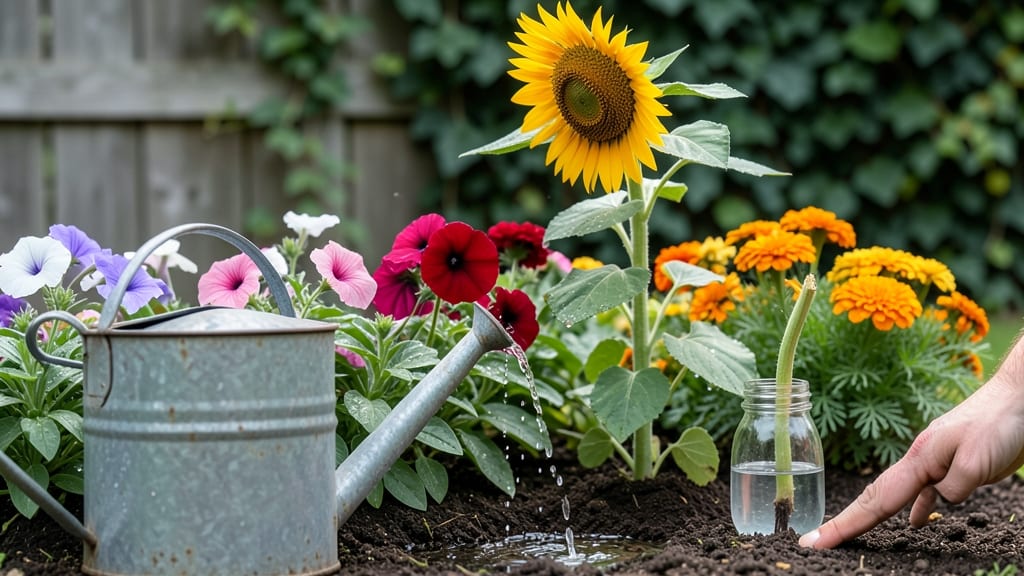
To water flowers outside just right, you might be surprised how much it depends on the season and plant type—get it wrong, and your vibrant 🌸 blooms could wilt or rot before they even show off their colors.
Most gardeners guess their watering schedule, but that’s a recipe for disaster. Whether you’re growing delicate petunias or hardy lavender, knowing when and how much to water makes all the difference between a thriving garden and a sad, struggling one.
In this guide, I’ll break down the exact watering frequency for your flowers by season—from daily soaks in summer to light touches in winter—plus how to spot when your plants are thirsty or drowning.
Ready to keep your garden lush without wasting a drop? Let’s dive into the science-backed schedule that’ll have your flowers blooming like never before.
Optimal watering frequency for common outdoor flowers by season
Watering your outdoor flowers isn't a one-size-fits-all task—it changes dramatically with seasonal shifts, plant types, and even local climate conditions. In my garden, I’ve learned that overwatering in winter can rot roots while underwatering in summer wilts petunias faster than you can say "drought."
Let’s break down the exact watering schedules for your favorite flowers by season, so you can keep them blooming beautifully year-round.
Most gardeners make the mistake of sticking to a rigid watering schedule without adjusting for heatwaves, rainfall, or plant maturity. For example, roses need deep watering every 2-3 days in summer, but lavender thrives on once-weekly watering—even in dry spells.
Understanding these differences is the key to a healthy, thriving garden without wasting water or risking plant loss.
Spring is all about balance—young plants need consistent moisture to establish roots, but too much water can drown them. Summer demands frequent watering, especially for annuals like marigolds, while fall slows down as plants prepare for dormancy. Winter watering is minimal, but not zero—some perennials still need a drink every 2-3 weeks to survive frost.
Below is my seasonal watering guide for 10 of the most popular outdoor flowers, including specific intervals, watering depth, and seasonal adjustments. Use this as your go-to reference to keep your garden lush and vibrant all year.
| Flower | Spring | Summer | Fall | Winter | Notes |
|---|---|---|---|---|---|
| Roses | Every 2-3 days | Daily (deep soak) | Every 3-4 days | Bi-weekly | Prune dead blooms; mulch heavily |
| Petunias | Every 2 days | Daily (morning) | Every 3 days | None (annuals) | Deadhead spent blooms; replace yearly |
| Marigolds | Every 2-3 days | Every other day | Weekly | None (annuals) | Drought-tolerant; pinch back for bushiness |
| Lavender | Weekly | Every 5-7 days | Bi-weekly | Monthly (light) | Hates wet soil; prune after flowering |
| Hydrangeas | Every 3-4 days | Every 2-3 days | Weekly | Bi-weekly | Mulch to retain moisture; adjust pH for color |
| Sunflowers | Every 2-3 days | Every other day | Weekly |
Signs your flowers need water (and when to adjust your routine)Your flowers silently scream for help when their water needs aren't met—but most gardeners miss the clues. Wilting leaves or yellowing petals are classic red flags, but they can also signal overwatering. The key is checking the soil moisture 1-2 inches below the surface, not just the top layer. If it feels dry, your flowers need hydration immediately. Young plants and newly transplanted flowers require more frequent watering—often every 1-2 days—while established perennials like lavender or roses can handle every 3-5 days. The weather plays a huge role: heatwaves demand daily checks, while cool, cloudy days may extend your watering schedule to every 5-7 days. How Often to Water Flowers Outside✅ DO THIS
❌ AVOID THIS
Watch for crispy leaf edges or drooping blooms—these are your flowers' SOS signals. Succulents and drought-tolerant flowers like yucca or sedum can handle 7-10 days without water, while petunias or geraniums wilt dramatically within 24-48 hours of thirst. Always factor in your soil type: sandy soil drains fast, while clay holds moisture longer. Adjust your routine based on plant maturity. Seedlings need daily misting to keep soil consistently moist, while mature hydrangeas or daylilies thrive with weekly deep soaks. If your flowers are yellowing at the base, it’s often a sign of overwatering—let the soil dry out completely before watering again. For container flowers, check soil moisture daily in summer. Pro tip: Use a moisture meter or the "squeeze test"—grab a handful of soil. If it crumbles easily, water; if it stays clumped, wait. Mulch around your flowers to retain moisture and reduce evaporation, cutting your watering needs by 30-50%. Always water at the base, not the leaves, to prevent disease. When in doubt, underwater slightly—most flowers recover faster from thirst than from rot. Pay attention to your local climate: desert gardens need less frequent deep watering, while humid regions may require daily light watering to prevent fungal issues. Your flowers will thank you with vibrant blooms all season long! 🌸 |