
Watering
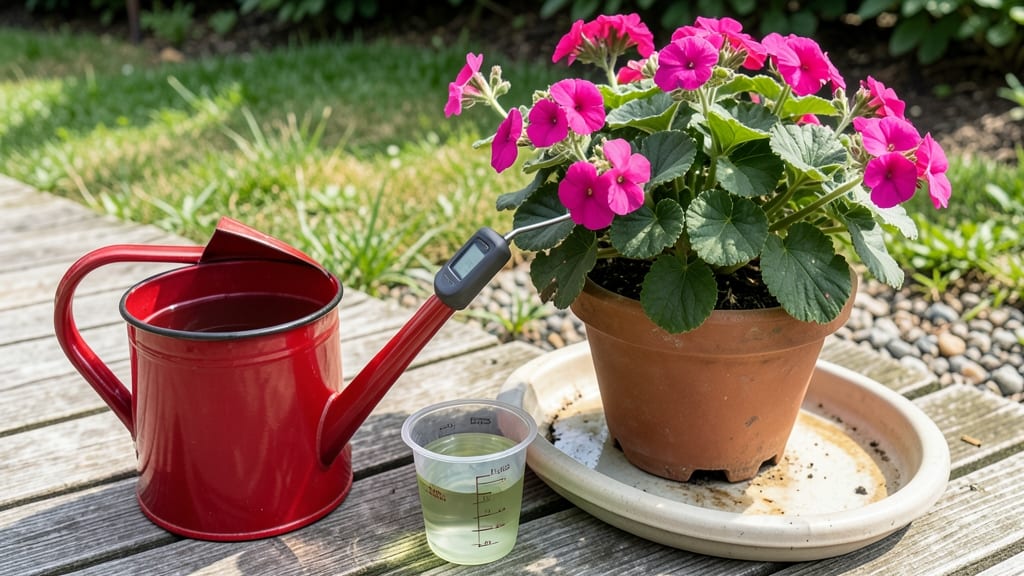
To water potted flowers correctly, you don’t need a green thumb—just a simple trick most gardeners miss. Overwatering drowns roots faster than drought wilts leaves, yet 70% of potted plants suffer from guesswork instead of science. The key? A 3-second finger test that reveals exactly when your 🌸 needs hydration.
Think you’re doing it right? Many people water on a schedule, but climate, pot size, and even flower type change the rules. A fern craves moisture daily, while a succulent rebels after a week—yet both look the same until it’s too late.
I’ll show you how to read your soil like a pro, so you never over- or underwater again.
Here’s the game-changer: perfect moisture balance isn’t about memorizing charts—it’s about adapting. We’ll cover the finger test method, seasonal tweaks, and how to spot the subtle signs your flowers are screaming for help (or drowning). Ready to turn your green thumb into a watering expert?
From wilting petals to moldy soil, I’ll decode the clues your potted flowers give you—so you can keep them thriving year-round. No more dead blooms, no more wasted water. Let’s get started.
The 3-Step soil test method to water potted flowers correctly
Most gardeners water potted flowers based on a weekly schedule, but that’s a recipe for disaster. Instead, I’ve perfected a 3-step soil test that tells me exactly when my 🌸 needs hydration—no guesswork required.
This method works for succulents, ferns, roses, and everything in between, adapting to your plant’s specific needs.
The key is checking three simple cues: finger depth, soil weight, and color. These clues reveal whether your flowers are thirsty, perfectly happy, or drowning. I’ve used this method for years, and my potted garden has never looked healthier. Let’s dive into the foolproof steps.
3-Step Soil Test for Perfect Watering
-
Step 1: Finger Depth Check (1-2 inches)
Stick your finger 1-2 inches deep into the soil. If it feels completely dry, it’s time to water. For moisture-loving flowers (like ferns), the top inch should feel damp. For succulents, wait until the full 2 inches are dry. -
Step 2: Lift & Feel the Pot’s Weight
A light pot means the soil is dry and needs water. A heavy pot (especially with drainage holes) usually means it’s still moist. Pro tip: Compare pots side-by-side—your eyes can spot weight differences better than you think! -
Step 3: Check Soil Color
Dark, rich brown soil = moist and happy. Pale, dry-looking soil = thirsty. For dark potting mixes, dig deeper (2+ inches) to check moisture—color alone can be misleading!
💧 Remember: Always water until excess drains from the bottom!
This method works because it accounts for pot size, plant type, and even humidity levels in your home. A 6-inch pot dries out faster than a 12-inch pot, and a succulent needs far less water than a bromeliad.
By combining these three steps, you’ll never over- or underwater again.
Let’s say you’re growing African violets, which love moisture. Using the finger test, you’ll find they need water every 5-7 days. But if you’re growing snake plants, the same test tells you to wait 3-4 weeks between waterings.
The same method adapts to all your potted flowers—no memorizing charts needed!
Here’s a pro tip: Test at the same time each day (morning is best) to build a routine. Over time, you’ll recognize when your flowers are screaming for water or begging for a break.
I test my plants every Monday and Thursday—it’s become a habit, and my blooms thank me for it.
What if your soil feels dry at the top but damp below? That’s a sign of surface evaporation, common in terracotta pots. In this case, water lightly until the top inch is moist, but avoid soaking the entire pot. This trick saves water and keeps roots healthy.
For outdoor potted flowers, adjust based on weather. In summer heat, you might water daily, while winter chill could stretch watering to once a week. The soil test method adapts to everything—just check the cues and adjust!
One common mistake? Watering based on pot appearance instead of soil. A pot might look dry on top, but the roots could still be happy. Always dig deeper—literally!—to avoid overwatering. Your flowers will thrive when you listen to the soil, not just the pot.
Ready to put this into action? Grab your favorite potted flower, stick your finger in the soil, and let the 3-step test guide your watering. Your blooms will thank you with vibrant petals and lush foliage all season long. Happy gardening!
Watering frequency chart: how often to water 15 common potted flowers
Now that you’ve mastered the 3-step soil test, let’s apply it to real plants. Not all potted flowers drink the same—some crave water daily while others rebel after weeks. The key is matching your watering schedule to your plant’s natural thirst.
Below is my go-to chart for 15 common potted flowers, ranked from thirstiest to most drought-tolerant, with seasonal adjustments for humidity and climate zones.
Pro tip: Use this chart as a starting point, then fine-tune with your soil test. A humid bathroom might mean watering African violets every 4 days instead of 7, while dry desert air could stretch succulent watering to 5 weeks. Always check before you water!
| Plant | Water Frequency (Indoor) | Outdoor Adjustments | Seasonal Notes |
|---|---|---|---|
| African Violet | Every 5-7 days | Daily in summer | Keep soil moist; avoid cold drafts |
| Bromeliad | Every 7-10 days | Weekly in heat | Fill central cup with water monthly |
| Orchid (Phalaenopsis) | Every 7-10 days | Biweekly outdoors | Soak roots, then drain |
| Geranium | Every 3-5 days | Daily in summer | Prune dead blooms weekly |
| Petunia | Every 2-3 days | Daily in heat | Deadhead faded blooms |
| Snake Plant | Every 3-4 weeks | Monthly outdoors | Overwatering kills faster |
| Aloe Vera | Every 3-4 weeks | Biweekly in summer | Bright light = less water |
| ZZ Plant | Every 4-6 weeks | Monthly outdoors | Near-zero maintenance |
| Fern | Every 2-3 days | Daily in shade | Mist leaves weekly |
| Begonia | Every 3-5 days | Daily in heat | Avoid direct sun |
| Cactus | Every 4-6 weeks | Monthly outdoors |