
Flowers
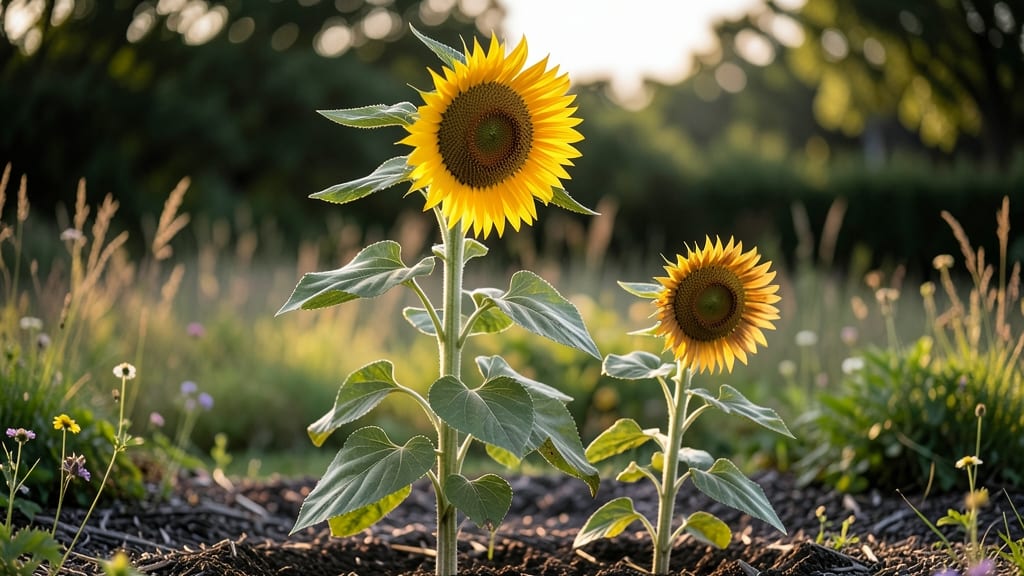
If you’ve ever wondered how tall those cheerful 🌻 sunflowers in your garden can grow, the answer might surprise you—some varieties barely reach your knee, while others tower over your head like living skyscrapers.
The height of sunflowers isn’t just about luck; it depends on the variety you choose, from compact dwarf types to giant cultivars that stretch toward the sky.
For gardeners in USDA Zone 6a, selecting the right sunflower height matters—whether you’re planting in a cozy backyard or a sprawling field. Dwarf varieties like 'Teddy Bear' stay between 2-3 feet, perfect for containers or small spaces, while standard types like 'Moulin Rouge' can hit 5-6 feet.
But if you’re dreaming of sunflowers that dwarf even the tallest humans, 'Russian Giant' varieties can soar to 12-15 feet.
The key to unlocking a sunflower’s full height potential lies in a few simple factors: sunlight, soil quality, and spacing. These towering beauties thrive in full sun, and giving them room to stretch their stems ensures they reach their maximum height.
Whether you’re planting in April-May or later in the season, understanding these basics will help you grow sunflowers that match your garden’s vision.
Ready to turn your garden into a sunflower wonderland? I’ll break down the best varieties for your space, how to maximize their height, and tips to keep them thriving from seed to harvest. Let’s get growing!

Sunflower height ranges by variety: from dwarf to giant types
Sunflowers come in a stunning range of heights, from compact dwarf varieties perfect for small gardens to towering giants that can reach the second story of your home.
The height of a sunflower is primarily determined by its variety and genetics, but factors like sunlight, soil quality, and spacing also play a role. Whether you're dreaming of a whimsical fairy garden or a dramatic backyard centerpiece, there's a sunflower variety to match your vision.
For gardeners in USDA Zone 6a, choosing the right height is crucial—tall varieties need sturdy support and plenty of space, while dwarf types thrive in containers or tight spots.
Below, I’ve broken down the most popular sunflower varieties by height category, complete with their mature sizes and ideal growing conditions. This will help you pick the perfect variety for your garden layout and aesthetic goals.
🌻 Pro Tip: Always check seed packets for specific height ranges, as some varieties can vary slightly based on growing conditions. For example, a 'Russian Giant' might reach 14 feet in ideal conditions but only 10 feet in a cooler climate.
Dwarf varieties like 'Teddy Bear' and 'Sunspots' are ideal for gardeners with limited space. These compact sunflowers typically reach 2-3 feet tall, making them perfect for containers, window boxes, or fairy gardens.
Their smaller stature also means they require less support, though they still need full sun exposure to thrive. These varieties are also great for cut flowers due to their long vase life.
Medium-height sunflowers, such as 'Autumn Beauty' and 'Moulin Rouge', strike a balance between manageability and drama. These varieties usually grow between 4-6 feet, making them versatile for backyard borders, mixed flower beds, or pollinator gardens.
They’re also excellent for cut arrangements because their stems are sturdy enough to hold up in bouquets without needing additional support.
For those who want to make a bold statement in their garden, tall and giant sunflower varieties like 'Russian Giant' and 'Mammoth Russian' are the way to go. These towering sunflowers can reach heights of 10-15 feet, creating a stunning vertical element in your landscape.
However, they require ample space, deep soil, and full sun to reach their full potential. If you're planting these giants, consider using stakes or cages to support their
How sunflower height changes through growth stages
Watching a sunflower grow from a tiny sprout to a towering giant is one of gardening’s most rewarding experiences. The journey from seed to sky-scraping bloom isn’t linear—it’s a week-by-week transformation shaped by sunlight, soil, and your care.
In just 6-8 weeks, a sunflower can go from a few inches tall to standing taller than you!
Early growth stages are where the foundation for final height is set. During the first 2-3 weeks, your sunflower will focus on developing a strong root system and a sturdy stem.
This is when proper watering and nutrient-rich soil make all the difference. Skimp here, and you’ll limit its towering potential later.
Here’s how sunflower height progresses through key stages, with the factors that determine whether your plants will stay compact or reach for the sky:
Sunflower Growth Timeline: Height Milestones
- 1 Week 1-2: Germination to 2-4 inches tall. Focus on consistent moisture—dry soil here can stunt growth forever.
- 2 Week 3-4: Rapid stem growth to 12-18 inches. This is when full sun exposure (6+ hours daily) becomes critical for vertical growth.
- 3 Week 5-6: Bolting phase—height spikes to 3-5 feet. Provide stakes or cages for tall varieties to prevent toppling in wind or rain.
- 4 Week 7-8: Final growth surge to mature height. Dwarf varieties (2-4 ft) stop here, while giants may add another 2-3 feet by week 10.
- 5 Week 9-12: Maturity—height stabilizes. Russian Giants can now reach 12-15 feet, while standard types top out at 6-8 feet.
Notice how the biggest height gains happen between weeks 5-8? This is when your sunflower is bolting—its rapid vertical growth phase. To maximize this, ensure your plants have well-draining soil rich in organic matter. Amend heavy clay with compost to prevent root suffocation, which can halt height growth.
Sunlight is just as critical. Sunflowers need 6-8 hours of direct sun daily to reach their full height potential. If you’re growing in partial shade, expect 20-30% shorter plants. Place them in the sunniest spot in your garden, even if it means moving them as they grow taller.
Watering strategy also plays a surprising role. While sunflowers are drought-tolerant once established, deep watering 2-3 times per week during the bolting phase (weeks 5-8) encourages taller, stronger stems. Avoid overhead watering at night to prevent fungal diseases like powdery mildew, which can weaken stems and reduce height.
Pro tip: If you’re growing giant varieties like 'Russian Giant', consider planting them near a southeast-facing fence or trellis. This gives their heavy heads something to lean against as they reach for the sky, preventing them from toppling over in storms.
With the right care, your sunflowers could soon be the tallest plants in the neighborhood!