
How To
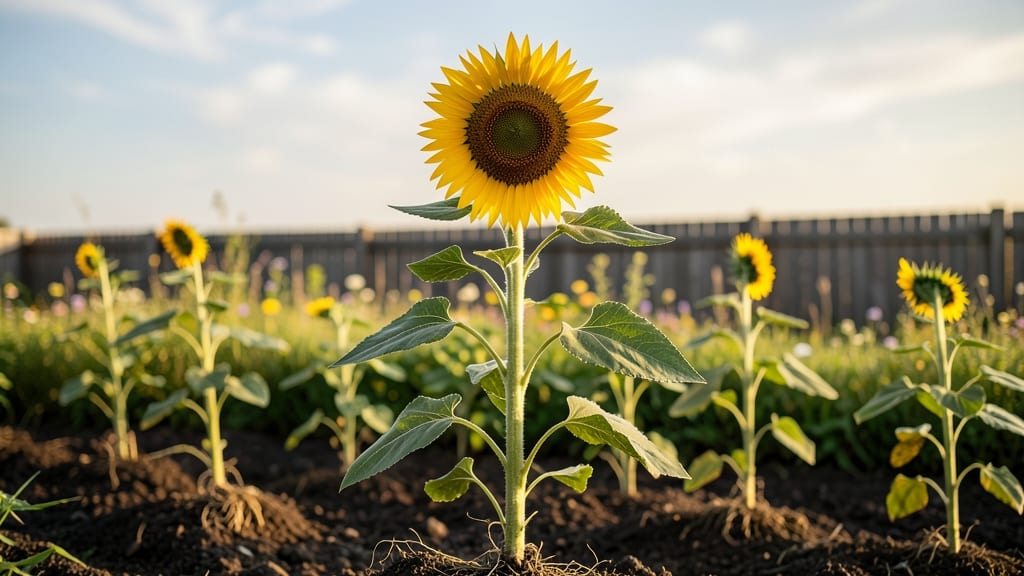
Imagine planting a sunflower seed in spring and watching it grow into a towering giant that stretches higher than your porch roof—how tall can a sunflower grow to 16 feet or more!
The answer to that isn’t just about luck; it’s a mix of genetics, care, and the right conditions that turn these cheerful 🌻 blooms into nature’s skyscrapers.
From dwarf varieties that fit perfectly in containers to giant sunflowers that rival basketball hoops, the height range is staggering. Whether you’re planning a backyard garden or a small balcony plot, knowing which variety to choose can make all the difference.
Let’s explore the factors that shape their growth and how you can encourage your sunflowers to reach their full potential.
Sunflowers thrive in USDA Zone 6a and beyond, but their height depends on more than just location. Proper sunlight, soil quality, and even pruning techniques play a crucial role in determining whether your sunflowers will stay compact or shoot for the sky.
Ready to discover the secrets behind their impressive stature?
You’ll learn about the tallest varieties ever recorded, practical tips for managing height, and how to pick the perfect sunflower for your space.
Whether you’re aiming for a record-breaking giant or a charming mini, this guide has everything you need to grow sunflowers that turn heads—and maybe even block your neighbor’s view!

Sunflower height records: tallest varieties and their stunning heights
Sunflowers are nature's skyscrapers, with some varieties reaching heights that defy imagination. The tallest sunflowers can grow over 16 feet tall, making them a breathtaking sight in any garden. These giants aren't just impressive—they hold Guinness World Records and showcase the incredible diversity within the Helianthus annuus species.
Whether you're dreaming of a sunflower that towers over your fence or just curious about these botanical marvels, understanding their height potential is key to successful cultivation.
Genetics play the biggest role in determining a sunflower's height. Some varieties are bred specifically to reach extraordinary heights, while others stay compact for container gardening.
The Russian Giant variety, for example, is famous for its ability to grow 12 to 16 feet tall, while dwarf varieties like 'Teddy Bear' max out at just 1 to 2 feet.
The difference lies in their genetic makeup, particularly the length of their main stem and the number of lateral branches. With the right conditions, these giants can become the centerpiece of your garden or even break height records!
If you're aiming for sunflower height records, you'll want to focus on varieties like 'Mammoth' sunflowers, which can grow 10 to 14 feet tall, or 'Russian Giant', the undisputed champion of sunflower height. These varieties aren't just tall—they're also incredibly sturdy, thanks to their thick stems.
However, their impressive height means they require extra care, including staking and support systems to prevent them from toppling over in windy conditions. Let's dive into the specifics of these towering varieties and how you can cultivate them to reach their full potential.
| Variety | Average Height | Record Height | Growth Time | Ideal Spacing |
|---|---|---|---|---|
| Russian Giant | 12–16 ft | 16.2 ft (Guinness Record) | 90–120 days | 24–36 inches apart |
| Mammoth | 10–14 ft | 14.5 ft | 80–100 days | 20–24 inches apart |
| Autumn Beauty | 8–12 ft | 12.5 ft | 75–90 days | 18–24 inches apart |
| American Giant | 10–14 ft | 15 ft | 90–110 days | 24–36 inches apart |
| Teddy Bear (Dwarf) | 1–2 ft | 2.5 ft | 50–60 days | 6–12 inches apart |
The Russian Giant sunflower holds the Guinness World Record for the tallest sunflower ever grown, reaching an astonishing 16.2 feet tall. This variety is a favorite among competitive gardeners and those who want to make a dramatic statement in their garden.
To achieve such heights, these sunflowers need rich, well-draining soil, full sunlight, and consistent moisture. They also benefit from staking or trellising to support their massive stems, especially in windy areas. Without proper support, even the sturdiest sunflower can fall over under its own weight.
Another record-breaking variety is the 'American Giant', which can grow up to 15 feet tall under ideal conditions. What sets this variety apart is its ability to produce large, edible seeds that are perfect for bird feeders or roasting.
If you're growing sunflowers for both aesthetics and practicality, this variety is an excellent choice. It thrives in USDA zones 2 through 11, making it adaptable to a wide range of climates.
However, it does require a longer growing season, typically 90 to 110 days, so plan accordingly if you live in a cooler region.
For gardeners with limited space, dwarf sunflowers like 'Teddy Bear' offer a charming alternative. These varieties stay under 2 feet tall and
Factors that determine how tall sunflowers grow: soil, sun, and care
The height of your sunflowers isn't just luck—it's a science! Sunlight exposure, soil quality, and proper care all play critical roles in whether your sunflowers will reach 12 feet or stay compact at 3 feet.
Even the same variety can grow dramatically different heights based on these factors, so let's break down what truly makes the difference in your garden.
Sunflowers are sun-worshippers, and their height potential is directly tied to how much direct sunlight they receive daily. While most varieties thrive with 6-8 hours of sun, the tallest giants like 'Russian Giant' need full sun exposure (8+ hours) to reach their maximum height.
Without enough sunlight, your sunflowers will grow leggy and weak, never reaching their genetic potential.
Here’s what you need to know about the key factors influencing sunflower height:
- 🌱 Soil Quality: Sunflowers need well-draining, nutrient-rich soil with a pH between 6.0 and 7.5. Poor soil stunts growth, while amended soil with compost can boost height by up to 30%.
- ☀️ Sunlight Exposure: Full sun (6+ hours daily) is non-negotiable for tall varieties. Even partial shade can reduce height by 2-4 feet.
- 💧 Watering Consistency: Deep watering 2-3 times per week (especially during flowering) prevents stunted growth. Underwatering causes stress, while overwatering leads to root rot.
- ✂️ Pruning Practices: Removing side buds early directs energy to the main stem, encouraging taller, straighter growth. Avoid heavy pruning once flowering begins.
- 🌡️ Temperature & Spacing: Ideal temperatures are 70-80°F. Overcrowding (plants <6 inches apart) competes for nutrients, reducing height by 1-2 feet.
One of the biggest mistakes gardeners make is over-fertilizing with nitrogen. While it promotes leafy growth, it can reduce flower and stem strength, leading to weaker, shorter plants. Instead, use a balanced fertilizer (10-10-10) sparingly—just 1 tablespoon per plant every 4-6 weeks during the growing season.
For giant sunflowers, staking is often necessary to support their weight and prevent toppling. Use bamboo stakes or cages and tie stems loosely with soft fabric to avoid damaging the plant.
This simple step can mean the difference between a 10-foot sunflower and one that flops over at 6 feet.
Even with perfect conditions, some sunflowers will naturally stay shorter due to their genetic variety. Dwarf sunflowers like 'Teddy Bear' max out at 1-3 feet, while giants like 'Mammoth' can surpass 14 feet. Knowing your variety’s potential helps you set realistic expectations and adjust care accordingly.
With the right soil prep, sunlight, and watering routine, you can coax even the tallest sunflowers to reach their full height potential. Start with well-draining soil, place them in the sunniest spot, and avoid common pitfalls like overcrowding or inconsistent watering.
Your sunflowers will reward you with stunning heights that bring joy—and maybe even a little shade—to your garden! 🌻