
Plants
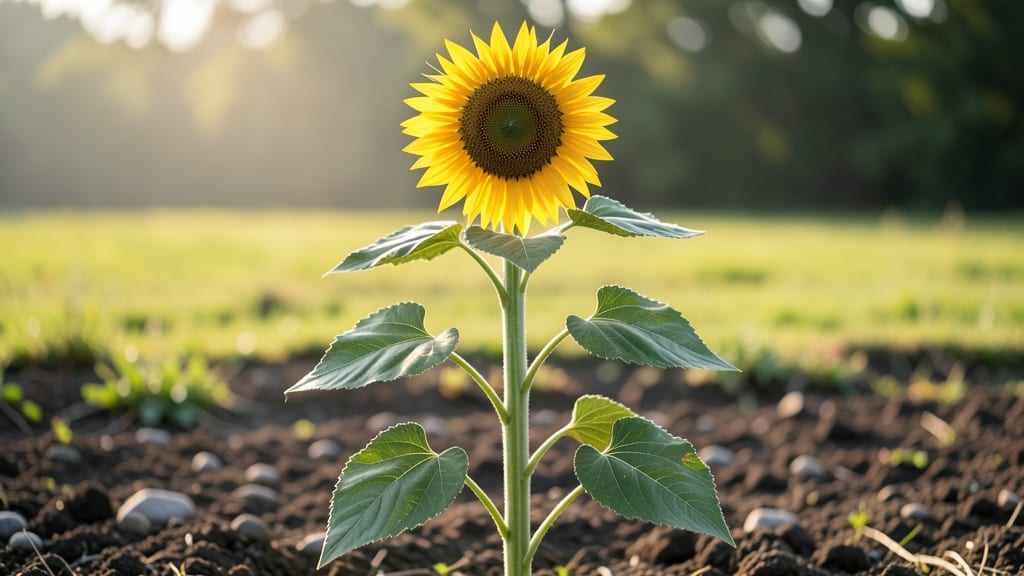
If you’ve ever wondered how tall your 🌻 sunflower plants could grow, the answer might surprise you—these cheerful giants can stretch from barely taller than your knee to taller than a two-story house!
Whether you’re planning a small garden or a dramatic backyard display, knowing the height range of different varieties is the first step to creating the perfect sunflower show.
Sunflowers aren’t one-size-fits-all; some stay compact and manageable, while others reach skyward like nature’s skyscrapers. The key to getting the most out of your plants lies in choosing the right variety for your space and giving them the care they need.
From dwarf sunflowers perfect for containers to towering giants that make a statement, each type has its own growth story.
But here’s the thing: even the tallest sunflowers need the right conditions to thrive. Sunlight, soil quality, and spacing all play a role in how big your plants will grow.
I’ll break down what you need to know to help your sunflowers reach their full potential—and how to measure their height like a pro so you can plan your garden with confidence.
Ready to turn your garden into a sunflower wonderland? Let’s dive into the heights, varieties, and care tips that will help you grow the sunflowers of your dreams—no matter how big or small your space may be.

Sunflower height variations: from dwarf to giant varieties
Sunflowers come in a stunning range of heights, from dwarf varieties that fit snugly in containers to giant cultivars that can dwarf even the tallest gardeners. The height of your sunflowers depends entirely on the variety you choose, with some reaching heights of 16 feet or more!
Understanding these differences helps you plan your garden layout, choose the right support structures, and create visual impact—whether you want a whimsical cottage garden or a dramatic backyard focal point.
For gardeners with limited space, dwarf sunflowers (typically 1–3 feet tall) are perfect for patios, balconies, or small flower beds. These compact beauties often produce smaller blooms but make up for it with their cheerful presence and ease of care.
On the other end of the spectrum, giant sunflowers (6–16 feet tall) are the showstoppers of the garden, ideal for creating natural privacy screens, dramatic backdrops, or even artistic installations. Even medium-height varieties (3–6 feet) offer a balanced option for most gardeners.
Here’s the key: height isn’t the only factor—bloom size, stem strength, and growth habit also vary by variety. Some tall sunflowers need staking to prevent toppling, while dwarf types can thrive without support.
Let’s explore the most popular sunflower varieties by height category, so you can pick the perfect fit for your garden vision.
| Variety Type | Popular Cultivars | Mature Height (ft) | Best For |
|---|---|---|---|
| Dwarf | 'Teddy Bear', 'Moulin Rouge', 'Puck' | 1–3 ft | Containers, borders, small gardens |
| Semi-Dwarf | 'Autumn Beauty', 'Moulin Rouge', 'Sunspot' | 3–6 ft | Cut flowers, mixed borders, pollinator gardens |
| Standard | 'Russian Giant', 'Mammoth', 'Autumn Beauty' | 6–10 ft | Backyard focal points, privacy screens, cut arrangements |
| Giant | 'Russian Mammoth', 'Colossus', 'Soraya' | 10–16+ ft | Large gardens, artistic installations, dramatic displays |
If you’re dreaming of towering sunflowers that reach toward the sky, the 'Russian Mammoth' variety is a classic choice, often growing to 12–16 feet tall. This variety is perfect for creating a natural privacy screen or adding a sense of grandeur to your garden.
Its large, 12-inch-wide blooms are stunning in cut arrangements and attract pollinators like bees and butterflies. For a slightly shorter but equally impressive option, 'Colossus' typically reaches 10–14 feet and is known for its durable stems, making it ideal for windy locations.
On the other end of the spectrum, dwarf sunflowers like 'Teddy Bear' (1–2 feet tall) are perfect for container gardening or adding a pop of color to small spaces. These varieties often produce double blooms, giving them a lush, almost velvety appearance.
Another favorite is 'Puck', which stays under 2 feet tall but still delivers bright yellow flowers that bloom early in the season. These compact varieties are also great for cutting gardens because they stay manageable even when harvested frequently.
For gardeners who love a balanced height, semi-dwarf varieties like 'Autumn Beauty' (3–5 feet tall) offer the best of both worlds. This variety produces multi-colored blooms that transition from yellow to red as they mature, adding a dynamic visual element to your garden.
It’s also a great pollinator magnet, making it a fantastic choice for wildlife-friendly gardens. If you’re looking for a versatile option that works well in both flower beds and cut arrangements, semi-dwarf sunflowers are the way to go.
One common question I get is: "How do I know if my sunflower will reach its full height?" The answer lies in genetics, care, and growing conditions.
While the variety you choose sets the maximum potential height, providing full sun (6–8+ hours daily), well-draining soil, and consistent watering will help your sunflowers grow as tall as possible.
Additionally, staking tall varieties (especially in windy areas) can prevent them from toppling over, allowing them to reach their full height without breaking.
To get a sense of how your sunflowers are growing, measure their height every few weeks starting from the base of the stem. Use a measuring tape or a ruler to mark growth increments on a stake beside the plant.
This not only helps you track progress but also ensures you’re giving your sunflowers the space they need to thrive. For example, a 12-foot sunflower needs at least 18–24 inches of space between plants to avoid overcrowding, while dwarf varieties can be spaced just 6–12 inches apart.
Whether you’re a beginner gardener or a seasoned pro, choosing the right sunflower height for your space is all about balancing your garden’s needs with your vision. Dwarf varieties bring color to small areas, medium heights create harmony in mixed borders, and giant sunflowers make a bold statement.
With the right variety and a little care, you’ll have sunflowers that not only grow tall but also bring joy, beauty
Factors that affect sunflower height: soil, sun, and care tips
Sunflowers thrive when given the right growing conditions, and their height can vary dramatically based on what you provide. The soil quality, sunlight exposure, and care routine you offer directly impact how tall your sunflowers will grow.
For example, a giant sunflower like 'Mammoth' can reach 12-16 feet with ideal care, while a dwarf variety like 'Teddy Bear' stays under 3 feet even in perfect conditions.
One of the biggest factors is sunlight. Sunflowers are sun-worshippers and need at least 6-8 hours of direct sunlight daily to reach their full potential. Without enough light, their growth will slow, and their stems may become weak and spindly.
I’ve seen sunflowers in shady spots struggle to grow taller than 4-5 feet, even when given extra nutrients.
Soil plays a crucial role too. Sunflowers prefer well-draining, nutrient-rich soil with a slightly acidic to neutral pH (around 6.0-7.5). If your soil is poor or compacted, roots won’t develop properly, limiting height.
Amending the soil with compost or organic matter before planting can make a noticeable difference in how tall your sunflowers grow.
🌻 Key Takeaway: How Tall Do Sunflower Plants Grow?
Dwarf Varieties: 1-3 ft
Medium Varieties: 3-6 ft
Standard Varieties: 6-12 ft
Giant Varieties: 12-16+ ft
*Height varies based on variety, sunlight, soil, and care. Giant varieties need optimal conditions to reach full height.
Watering is another critical factor. While sunflowers are drought-tolerant once established, they need consistent moisture during their early growth stages. Overwatering or underwatering can stunt growth, so aim for deep watering 1-2 times per week, especially during dry spells.
I’ve noticed that sunflowers grown in well-mulched soil tend to grow taller because they retain moisture and nutrients more effectively.
Pruning can also influence height. If you want taller, straighter stems, avoid excessive pruning of the main stem. However, removing side shoots can redirect energy to the primary stalk, helping it grow taller.
I’ve found that pinching off lower leaves encourages upward growth, especially in windy conditions where stems might otherwise bend.
Finally, don’t forget about fertilization. A balanced 10-10-10 fertilizer applied every 4-6 weeks during the growing season can boost height by providing essential nutrients. Just be careful not to over-fertilize, as this can lead to weak stems or excessive foliage at the expense of height.