
Flowers
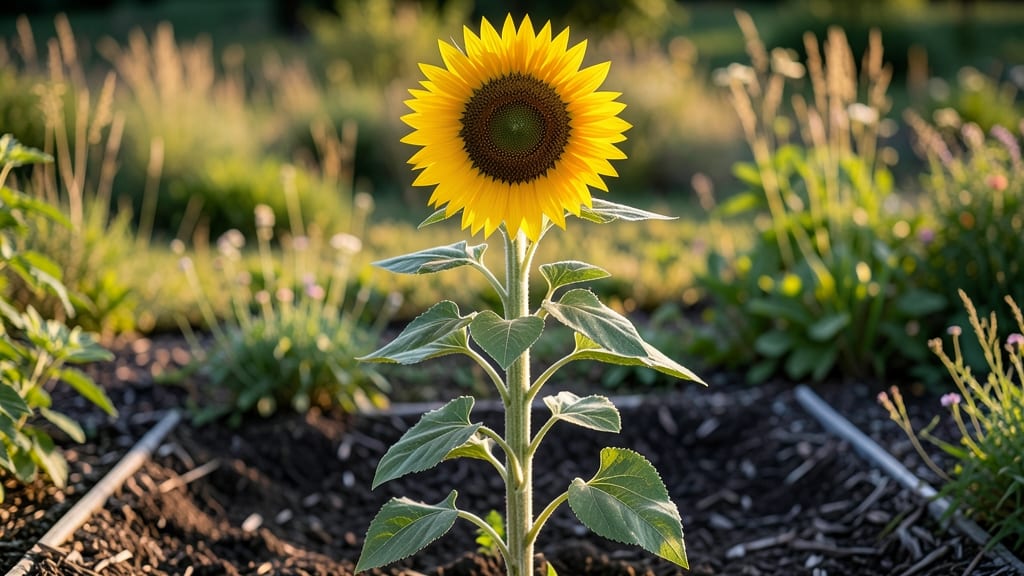
If you’ve ever wondered just how tall those Mammoth Russian sunflowers 🌻 can grow, get ready for a jaw-dropping answer: these giants routinely stretch between 10 and 16 feet—taller than most two-story houses!
But their staggering height isn’t just for show; it’s a testament to their deep roots and rapid growth, making them a standout feature in any garden.
What makes these sunflowers so impressive isn’t just their height, but how quickly they reach it. With the right conditions—rich soil, plenty of sunlight, and consistent watering—you could see them shoot up 3-4 feet in just a few weeks.
However, their towering stature also means they need extra care to stay upright, especially in windy areas.
Beyond their dramatic height, these sunflowers are a gardener’s dream for more reasons than one. They attract pollinators like bees and birds, add a bold focal point to your landscape, and even produce edible seeds.
But before you plant, it’s crucial to understand how to support their growth—because without the right prep, even the tallest stems can topple over.
In this guide, I’ll break down everything you need to know: from variety-specific heights to practical tips for keeping your sunflowers standing tall. Let’s get growing!

Mammoth Russian sunflower height by variety: from 10 to 16 feet tall
If you're planning to grow Mammoth Russian sunflowers, knowing their potential height is crucial for spacing and support. These varieties dwarf standard sunflowers, often reaching heights that rival small trees. The average mature height ranges from 10 to 16 feet, but specific varieties can vary significantly.
For example, the classic Mammoth Russian variety typically hits 12 to 14 feet, while Russian Giant can stretch up to 16 feet under ideal conditions.
What makes these sunflowers so impressive is their rapid vertical growth. Unlike smaller varieties, they develop deep taproots that anchor them firmly, but their height also means they need extra care to avoid toppling.
Many gardeners report their sunflowers reaching 6 to 8 feet in just 60 days, with full maturity in 90 to 120 days. This growth rate makes them a stunning addition to any garden—but only if you’re prepared for their size!
| Variety | Average Height | Growth Notes |
|---|---|---|
| Mammoth Russian | 12–14 ft | Classic variety; sturdy stalks; great for cut flowers. |
| Russian Giant | 14–16 ft | Tallest variety; needs strong support; attracts pollinators. |
| Voronezhskiy | 10–12 ft | Slightly shorter; early bloomer; ideal for cooler climates. |
| American Giant | 13–15 ft | Hybrid; disease-resistant; produces large seed heads. |
When comparing these varieties to standard sunflowers, the difference is striking. Most common sunflowers max out at 3 to 5 feet, while Mammoth Russians can reach three times that height. This dramatic increase isn’t just about aesthetics—it also affects how you plan your garden layout.
For instance, planting Russian Giant near a fence or trellis ensures they won’t sprawl into walkways or other plants. Always leave at least 2 feet of clearance around each stalk to prevent crowding.
One common misconception is that all Mammoth Russian varieties grow equally tall. In reality, genetics, soil quality, and care play huge roles.
For example, gardeners in USDA Zone 6a often see slightly shorter plants compared to those in Zone 8 or 9, where longer growing seasons allow for more vertical growth.
To maximize height, focus on well-draining soil, consistent watering, and a sunny location with at least 6 to 8 hours of direct sunlight daily.
If you're growing these sunflowers for ornamental purposes, their height can create a dramatic focal point in your garden. Imagine a 14-foot-tall sunflower towering over a patio or garden bed—it’s a conversation starter!
However, if you're growing them for seeds or bird feed, their height can also make harvesting more challenging. Consider using a sturdy ladder or planting them near a path for easier access. Some gardeners even install trellises or cages to provide extra support and prevent toppling in windy conditions.
Another factor to consider is the width of the plant. While their height steals the show, Mammoth Russians also develop wide canopies, often reaching 2 to 3 feet in diameter. This means they’ll need ample space to spread out, especially as they mature.
If you're working with limited garden space, opt for the Voronezhskiy variety, which tends to be slightly shorter and more compact. For maximum height, Russian Giant is the winner, but it requires the most attention to support and care.
Real-world measurements from gardeners highlight just how impressive these plants can be. One gardener in Texas reported a Russian Giant reaching 15 feet in a single season, while another in Oregon saw their Mammoth Russian hit 13 feet despite cooler temperatures.
These examples prove that with the right conditions, these sunflowers can truly reach their full potential. Whether you're aiming for a record-breaking stalk or simply want to add height to your garden, understanding these varieties’ growth habits is key.
For those new to growing Mammoth Russians, it’s worth noting that their early growth stages are deceptively slow. Seedlings may only reach 1 to 2 feet in the first 30 days, but once they hit 60 days, growth can accelerate rapidly.
This is why proper staking and support should be put in place early—waiting until they’re already tall can lead to broken stalks. Use bamboo stakes or cages to provide stability without restricting growth.
Finally, don’t overlook the environmental benefits of these towering sunflowers. Their height makes them a magnet for pollinators, including bees and butterflies, which are essential for a thriving garden ecosystem. Additionally, their large seed heads provide food for birds, especially in late summer and fall.
By planting Mammoth Russians, you’re not just adding height—you’re also supporting local wildlife and enhancing your garden’s biodiversity.
How fast and tall Mammoth Russian sunflowers grow: stages and timeline
Watching a Mammoth Russian sunflower grow is like witnessing a time-lapse of nature’s engineering marvel. These giants start as tiny seeds but can shoot up 3-4 feet per week under ideal conditions, reaching their full height of 10-16 feet in just 3-4 months.
Their rapid growth isn’t just impressive—it’s a testament to their deep taproots and thirst for sunlight. But don’t let their speed fool you; their towering stature requires careful planning to avoid flopping stems or snapped stalks.
The journey from seed to sky-scraper begins with germination, where your sunflower will push through the soil in 7-14 days if kept warm and moist. Once sprouted, the real growth spurt begins, with the stalk elongating at an astonishing rate.
By week 6, you’ll notice the first signs of vertical dominance, and by month 2, your sunflower could already be 6 feet tall—taller than most gardeners! Understanding these milestones helps you prepare for their needs at each stage.
Here’s a breakdown of their growth timeline, from seedling to mature giant:
- 1 Week 1-2: Germination. Tiny sprouts emerge from 1-inch-deep soil, needing warmth (70°F+) and moisture.
- 2 Week 3-4: Seedling stage. Stems thicken, and roots dive 2 feet deep for stability. Provide full sun (6+ hours) to avoid leggy growth.
- 3 Week 5-6: Rapid elongation. Stems grow 1-2 feet per week, reaching 3-4 feet tall. Stake now to prevent bending.
- 4 Week 7-8: Flower bud formation. Height jumps to 6-8 feet. Ensure deep watering (1-2 gallons) to support new growth.
- 5 Week 9-12: Maturity. Final height of 10-16 feet achieved. Flowers bloom, attracting pollinators and birds. Monitor for wind damage.
A common misconception is that these sunflowers grow equally fast in all conditions, but their speed depends heavily on climate, soil quality, and care. In cool or cloudy climates, growth slows significantly, and stalks may become weak and spindly.
Meanwhile, in hot, sunny regions with rich soil, they can reach 14+ feet in just 10 weeks. I’ve seen gardeners in Zone 7-9 report heights of 16 feet with proper support and watering.
Soil plays a critical role in their growth rate. Well-draining, nutrient-rich soil with compost or aged manure fuels rapid vertical growth, while compacted or poor soil stunts development.
I always amend my garden beds with a 5-10-10 fertilizer at planting and again when buds form to keep them on track for their maximum height potential. Watering is equally vital—deep, morning watering encourages strong root systems, which are essential for supporting their towering stature.
If you’re planting in windy areas, don’t be surprised if your sunflowers lean or snap without support. Even with staking, some varieties like Voronezhskiy can grow 20% taller in sheltered spots compared to exposed ones.
For the best results, plant them near fences or trellises and use wide-base stakes (3-4 feet tall) to prevent toppling. With the right conditions, you’ll have a sunflower skyscraper that’s the talk of the neighborhood!