
Flowers
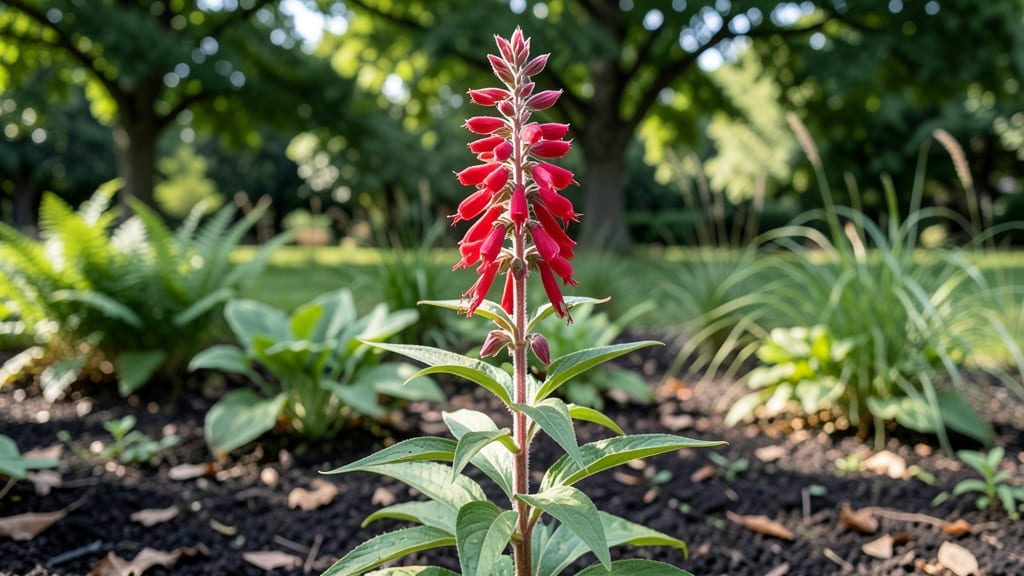
If you're wondering how tall that stunning 🌸 Cardinal Flower will grow in your garden, the answer might surprise you—this bold beauty can reach heights of 3 to 5 feet under ideal conditions!
That towering presence makes it a standout in borders, wildflower meadows, or near ponds, where its vibrant red spikes draw hummingbirds and butterflies.
But here's the catch: cardinal flower's height depends on where you live and how you care for it. In cooler USDA Zone 6a climates, it may max out around 3 feet, while warmer zones can push it toward 5 feet.
The key to controlling its size lies in proper spacing and occasional pruning—something I'll show you how to do later in this guide.
What really sets cardinal flower apart is its fast growth rate. Starting as a modest 1-2 foot plant in its first year, it can double in height by year two. That means planning ahead is everything—whether you're creating a pollinator-friendly garden or adding vertical interest to your landscape.
Ready to harness that growth potential? I'll walk you through everything from variety-specific heights to the best companion plants that won't get lost in its shadow. Let's get your cardinal flower thriving at just the right size!

Cardinal flower height by variety: exact growth stages explained
The cardinal flower (Lobelia cardinalis) is a showstopper in any garden, but its height varies dramatically by variety and growing conditions. From delicate dwarf varieties to towering standard types, understanding these differences helps you choose the perfect plant for your space.
Let’s break down the exact growth stages and mature heights you can expect.
Most cardinal flowers reach their maximum height by mid-summer, with growth accelerating after the last frost. In cooler USDA zones 3-5, expect slightly slower growth compared to warmer zones 6-9. The key to managing height lies in proper spacing and occasional pruning, which we’ll cover later.
🌱 Here’s the critical summary: Cardinal flowers typically grow between 2 to 5 feet tall, but dwarf varieties stay under 2 feet, while standard types can exceed 4 feet in ideal conditions. Let’s explore the specifics for each variety.
If you’re growing cardinal flower in containers, expect heights to be 10-20% shorter due to root restriction. For example, a standard variety might max out at 3.5 feet in a 12-inch pot. Always choose containers with drainage holes to prevent root rot, which can stunt growth.
Seasonal growth patterns play a huge role in height progression. In USDA zones 6-9, cardinal flowers often bolt (flower) by early summer, reaching 50% of their mature height by July.
In cooler zones 3-5, growth slows until late May or June, with peak height achieved by August or September.
Soil quality dramatically impacts height. Rich, moist, and slightly acidic soil (pH 5.5-6.5) encourages taller growth, while poor or dry soil can limit plants to half their potential height. Amend your garden beds with compost or peat moss before planting to ensure optimal conditions.
Light exposure also affects height. Cardinal flowers grown in full sun (6+ hours/day) typically reach their maximum height, while those in partial shade (3-4 hours/day) may stay 20-30% shorter. If you’re in a hot, dry climate (zones 7-9), provide afternoon shade to prevent stress-induced stunting.
Pruning can influence height too. If you pinch back young plants in early summer, you’ll encourage bushier growth and slightly shorter stature. For taller varieties, deadhead spent blooms to redirect energy into stem elongation rather than seed production.
For regional variations, northern gardeners (zones 3-5) should plant dwarf or semi-dwarf varieties to avoid winter damage. In southern zones (7-9), standard types thrive but may need staking or support in windy areas to prevent flopping.
How to control cardinal flower height: pruning and spacing tips
The cardinal flower's rapid vertical growth can quickly turn your garden into a jungle if left unchecked. While its 3-5 foot mature height creates stunning vertical interest, proper spacing and pruning are essential to maintain a tidy, thriving garden.
Without control, these plants can outcompete neighbors or flop over in heavy blooms.
I've found that strategic pruning not only controls height but also encourages bushier growth and more abundant flowers. The key is timing—prune at the right moments to avoid sacrificing next year's blooms. Let me show you exactly how to manage this striking plant's size while keeping it looking its best.
⚠️ WARNING: Over-Pruning Risks Cardinal flowers store energy in their woody stems for next season's growth. Cutting back more than 1/3 of the plant in late summer can weaken next year's blooms.
Here's what to avoid: - Heavy pruning after July (reduces winter hardiness) - Removing all flower spikes (hummingbirds rely on them!) - Pruning diseased stems too late (can spread fungal issues) The best approach is selective pruning—removing only the tallest, leggy stems while preserving the plant's structure.
For ideal spacing, give each cardinal flower 18-24 inches of space in full sun gardens, where they'll naturally grow taller. In partial shade conditions, you can space them 12-18 inches apart—they'll stay more compact. I've seen dramatic differences in height just by adjusting sunlight exposure and spacing.
To prevent self-seeding in unwanted areas, deadhead spent blooms regularly by pinching off the flower spikes before they form seed pods. This redirection of energy leads to more vibrant blooms and less volunteer growth.
I recommend using clean, sharp pruners and making cuts at a 45-degree angle just above a leaf node.
When pruning for bushier growth, focus on the top third of the plant in early spring. This encourages lateral branching while maintaining the plant's natural height.
For taller varieties like 'Queen Victoria', you might need to prune twice—once in spring and again after the first flush of blooms in late June.
Remember that cardinal flowers thrive with consistent moisture—underwatered plants will grow taller but leggier as they reach for water. Mulch around the base with 2-3 inches of organic mulch to retain moisture and regulate soil temperature, which helps maintain a compact, healthy shape.
With these techniques, you'll keep your cardinal flowers at their ideal height while creating a pollinator paradise that's both beautiful and well-behaved. 🌸