
How To
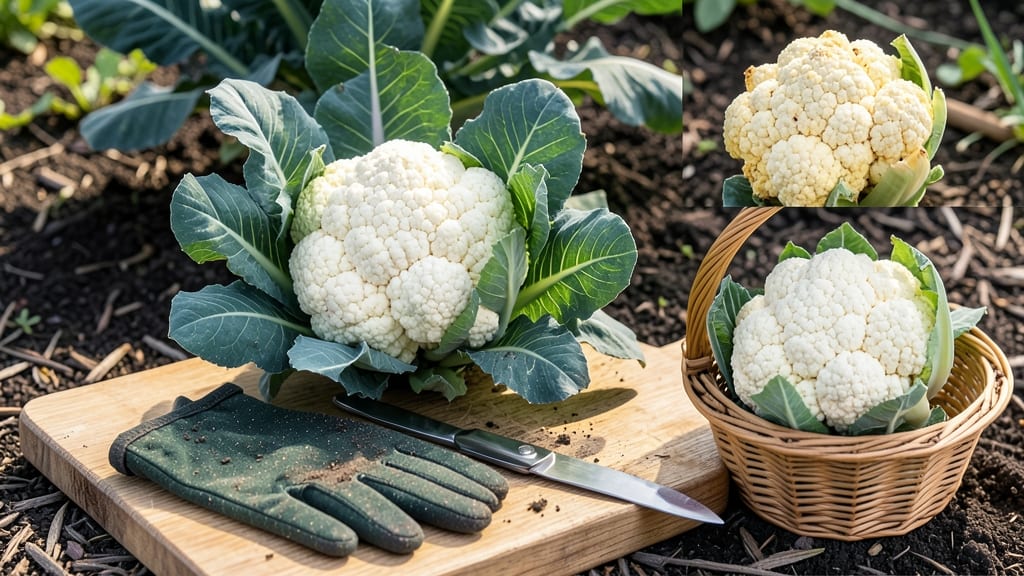
Knowing when to pick cauliflower 🥬 can make the difference between a delicious, tender harvest and a bitter, tough disappointment. The right moment isn't just about days after planting—it's about visual cues that tell you the plant is at its peak.
If you've ever wondered why some heads turn yellow or split open before you're ready, you're not alone. These signs actually signal the perfect time to harvest, and I'll show you exactly what to look for.
From head size to leaf color, each detail matters for that perfect texture and flavor.
Temperature and moisture play their part too, but the real game-changer is understanding those visual clues. Whether you're checking the curd's firmness or the stem's readiness, these tricks will help you avoid common mistakes that ruin your harvest.
Let's dive into the simple, foolproof ways to tell when your cauliflower is ready—so you can enjoy your homegrown bounty at its best. You'll learn how to pick it properly too, ensuring your plant stays healthy for future harvests.


5 Visual signs your cauliflower is ripe and ready for harvest
Harvesting cauliflower at the right moment transforms your garden labor into a delicious, tender reward. But how do you know when that perfect time arrives? Unlike some vegetables that ripen gradually, cauliflower has very specific visual cues that signal it's time to pick.
Ignoring these signs can lead to tough, bitter curds or even bolting—where the plant flowers prematurely and becomes inedible. Let’s break down the non-negotiable indicators that guarantee a top-quality harvest.
First, understand that cauliflower doesn’t ripen like a tomato or apple—it doesn’t soften or sweeten over time. Instead, it reaches its ideal harvest window when it hits a precise balance of size, color, and firmness.
Missing these cues often means your curd will either be too small and underdeveloped or too mature and woody. The good news? With these five visual checks, you’ll never second-guess your harvest timing again.
🌱 5 Visual Signs Your Cauliflower Is Ready
-
1.
Head Size: 6-8 Inches in Diameter
A ripe cauliflower head should measure about 6 to 8 inches across. Smaller heads (under 5 inches) are often still developing, while larger ones may start to loosen and split. Varieties like 'Snowball Y Improved' typically reach this size faster than 'Romanesco', which can take longer to form a dense head.
-
2.
Color: Deep, Uniform Hue
The head should be a consistent color—whether white, purple, or green—with no pale or yellowing spots. For white cauliflower, look for a creamy, ivory shade. Purple varieties should have a rich, even lavender tone. If the color fades or turns yellow, the head is overripe and likely bitter.
-
3.
Stem Firmness: Snaps Cleanly When Bent
Gently grasp the stem near the base and bend it slightly. If it snaps cleanly (not breaks jaggedly), the head is ready. A stem that bends without snapping indicates the head is still firming up, while a mushy or hollow stem means it’s past its prime.
-
4.
Leaf Health: Outer Leaves Yellowing
The curly outer leaves should start to yellow and die back as the head matures. This is the plant’s way of redirecting energy to the curd. If the leaves are still vibrant green, the head isn’t ready. Conversely, if the leaves turn brown and crispy, the cauliflower may have bolted or dried out.
-
5.
Thumb Test: Solid, Not Spongy
Press your thumb gently into the head. It should feel firm and slightly resilient, like a well-inflated balloon. If it dents easily, the head is overripe. If it feels rock-hard, it may still need time to develop. This test is your final quality check before harvesting.
💡 Pro Tip: Harvest in the morning when temperatures are cool. This ensures the curd is at its crispest and most flavorful.
Timing your harvest based on these visual cues ensures your cauliflower is at its peak tenderness and flavor. For example, if your plant’s leaves are yellowing but the head is still small, it might need a few more days in the ground.
Conversely, if the head is large but the stem feels mushy, it’s already past its prime. Paying attention to these details makes all the difference between a delicious, restaurant-quality curd and a disappointing garden experiment.
One common mistake I see is waiting too long because the head "looks big enough." But size alone isn’t the best indicator—texture and color matter more.
For instance, a purple cauliflower left too long on the plant will turn brown and tough, while a white variety may develop yellow streaks. Always combine these visual signs for the most accurate harvest timing.
If you’re growing multiple cauliflower plants, prioritize harvesting the ones that meet these criteria first. This prevents overcrowding and ensures your entire crop doesn’t reach the bolting stage (when the plant flowers) all at once.
Bolting is more likely in hot weather or drought conditions, so keep an eye on your plants during heatwaves.
For varieties like 'Chef’s Choice' or 'Graffiti', which produce multiple side shoots after the main head is harvested, the same rules apply. Each new curd should be checked individually for size, color, and firmness before picking.
This second harvest can be just as productive as the first, giving you a longer harvest window.
Finally, remember that environmental stress can affect ripening. If your cauliflower is struggling with inconsistent watering or poor soil fertility, it may not develop properly. Always ensure your plants have well-draining soil, consistent moisture, and regular feeding (like a balanced 5-10-10 fertilizer every 4-6 weeks) to support healthy growth.
With these five visual signs in mind, you’ll never miss the perfect moment to harvest your cauliflower. The next time you’re standing in your garden, take a moment
Common mistakes that ruin your cauliflower harvest (and how to avoid them)
Waiting too long to harvest your cauliflower is one of the biggest mistakes gardeners make. When you delay, the curds turn bitter and tough, ruining the flavor you worked so hard to cultivate.
I’ve seen even experienced growers overlook this, leading to wasted effort and disappointment. The key is acting at the first sign of maturity—before the buds start opening.
Overwatering is another silent harvest killer. Too much moisture causes the texture to turn mushy, and the head may even split open. I once had a batch of cauliflower that looked perfect but fell apart when I tried to cut it because I watered it too frequently.
The soil should stay consistently moist but never soggy—aim for about 1-2 inches of water per week, depending on your climate.
Ignoring leaf yellowing is a red flag many miss. Those outer leaves turning yellow isn’t just a sign of age—it’s your plant’s way of telling you it’s ready to be picked. If you wait too long, pests like cabbage moths or aphids will move in, attracted to the stressed plant.
I always check the leaves first thing in the morning when they’re dry, making it easier to spot early signs of pest activity.
⚠️ Don’t Wait Until It’s Too Late!
Your cauliflower is ready to harvest when:
- Head size: 6-8 inches in diameter (about the size of a softball)
- Color consistency: Solid white, purple, or green (whichever variety you’re growing)
- Leaf condition: Outer leaves start yellowing and dying back
- Stem test: The stem snaps cleanly when bent (not too soft or woody)
Waiting just 1-2 days past these signs can turn your harvest from perfect to ruined. Mark your calendar or set a reminder to check your plants daily during peak harvest season!
Skipping the thumb test is another mistake that leads to poor-quality harvests. Press your thumb gently into the curd—it should feel firm but slightly yielding, like a ripe avocado. If it’s rock-hard or squishy, it’s not ready.
I’ve learned the hard way that checking this simple detail saves me from ending up with a head that’s either too immature or overripe.
Poor soil health can also sabotage your harvest. If your soil lacks nutrients or has a pH imbalance, your cauliflower won’t develop properly.
I always test my soil in early spring and amend it with compost or a balanced fertilizer like 5-10-10 to ensure my plants get the nutrients they need. Healthy soil means healthier plants and better-tasting curds.
Finally, harvesting at the wrong time of day can stress your plant. I’ve found that picking in the early morning, when temperatures are cooler, helps preserve the quality of the curd.
Avoid harvesting in the heat of the day, as this can cause the head to wilt or even split. With these tips, you’ll avoid common pitfalls and enjoy a bountiful, delicious harvest every time.