
Plants
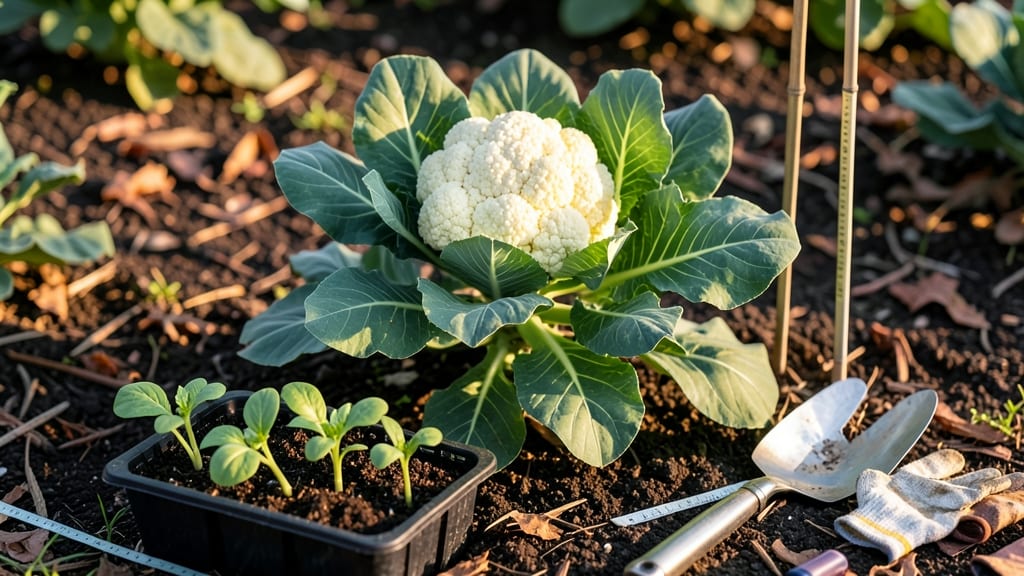
How far apart to space cauliflower plants for maximum yield
Cauliflower plants need the right amount of space to grow those plump, perfect heads you dream about. Too close, and you’ll battle fungal diseases and stunted growth. Too far apart, and you waste garden real estate.
The ideal spacing for most cauliflower varieties is 18-24 inches apart in rows that are 24-36 inches apart. This gives roots room to spread while keeping leaves from brushing together—critical for airflow and disease prevention.
But here’s the catch: spacing isn’t one-size-fits-all. Your cauliflower variety, soil type, and even your garden layout play a role. Dwarf varieties like ‘Purple of Sicily’ can handle tighter spacing (12-18 inches), while larger types like ‘Snowball Y Improved’ need the full 24 inches.
Let’s break it down so you can customize spacing for your garden’s unique conditions.
| Factor | Spacing Guideline | Notes |
|---|---|---|
| Variety Type | 18-24 inches | Standard spacing for most varieties |
| Dwarf Varieties | 12-18 inches | Examples: 'Purple of Sicily', 'Snowball 60' |
| Large Varieties | 24 inches | Examples: 'Snowball Y Improved', 'Romanesco' |
| Row Spacing | 24-36 inches | Wider for larger varieties or loose soil |
| Container Gardening | 1 plant per 5-gallon pot | Use dwarf varieties for best results |
| Heavy Clay Soil | Increase to 24-30 inches | Prevents root competition and waterlogging |
| Well-Draining Soil | 18-24 inches | Optimal for most growing conditions |
| Companion Planting | 18-24 inches from onions/celery | Pest control benefits without crowding |
Your soil type is the next big factor. In heavy clay soil, roots struggle to spread, so increase spacing to 24-30 inches to prevent competition. If your soil is well-draining and loose, you can stick to the 18-24 inch range.
Pro tip: Amend clay soil with compost or sand to improve drainage and reduce the need for extra space.
For container gardening, spacing changes completely. Cauliflower needs at least 5 gallons of soil per plant, so one dwarf variety per 5-gallon pot is ideal. If you’re growing larger varieties in containers, you’ll need 10-gallon pots and may only fit one plant per container.
Place pots where they’ll get 6-8 hours of sun and ensure they have drainage holes to prevent root rot.
Did you know trellising can work for cauliflower? While it’s not common, smaller varieties like ‘Romanesco’ can be trained up a lightweight trellis to save space. Space plants 12-18 inches apart along the trellis and provide support as the heads form.
This method is perfect for small gardens or urban containers where space is limited.
One of the biggest mistakes gardeners make is overcrowding to fit more plants. But poor airflow leads to fungal diseases like clubroot and downy mildew. If your plants start showing yellowing leaves or stunted growth, it’s a sign they’re too close.
The fix? Thin your plants to the recommended spacing immediately and improve airflow by pruning lower leaves to create space between plants.
If you’re planning a multi-harvest garden, consider successive planting. Space your first batch at 24 inches apart, then add a second batch 4-6 weeks later in the same row, spacing them 18 inches apart. This staggered approach maximizes your yield without
Common mistakes in cauliflower spacing and how to fix them
Even experienced gardeners sometimes struggle with cauliflower spacing. The most common mistake? Overcrowding plants to save space, which leads to competition for nutrients and poor airflow. This can cause yellowing leaves, stunted growth, and even rot.
On the flip side, over-spacing wastes garden real estate and reduces your yield. Both extremes hurt your harvest potential.
I’ve seen gardens where cauliflower plants were packed too tightly, resulting in small, misshapen heads and increased pest problems. The key is finding the balance between giving each plant enough room to thrive while maximizing your garden’s efficiency.
Let’s dive into the signs of poor spacing and how to fix them.
⚠️ Warning: Spacing Mistakes That Sabotage Your Cauliflower
Overcrowding causes yellowing leaves and stunted growth due to poor airflow and nutrient competition. Over-spacing leads to wasted space and lower yields. Both issues reduce your harvest potential and invite pests. Check your plants for these 3 warning signs:
- 🌱 Tiny, uneven heads – Plants fighting for space produce small, irregular heads.
- 💧 Mushy stems – Overcrowding traps moisture, leading to rot.
- 🐛 Increased pests – Poor airflow invites aphids and cabbage worms.
Fix it now: Thin your plants to 18-24 inches apart and add mulch to improve airflow.
If your cauliflower plants are already showing signs of overcrowding, don’t panic. Start by thinning your plants to the recommended 18-24 inches apart. Use a clean, sharp knife or shears to snip the extra plants at soil level, leaving the healthiest ones.
This might seem harsh, but it’s better than watching your entire crop suffer.
For gardens where plants are over-spaced, consider adding companion plants like onions or celery between them. These plants help maximize your garden’s potential while still giving your cauliflower enough room to grow.
Just avoid planting anything too tall that could shade your cauliflower, which needs 6-8 hours of sunlight daily.
Another fix for existing gardens is to improve soil health. Amend the soil with compost or aged manure to give your plants better access to nutrients, even if they’re slightly crowded.
This won’t replace proper spacing, but it can help your cauliflower recover and produce better heads. Water consistently in the morning to reduce fungal risks from damp leaves.
For future plantings, mark your garden beds with stakes or strings to ensure you space your cauliflower correctly from the start. This simple step saves time and effort later.
If you’re using containers, choose larger pots (at least 12 inches in diameter) and limit to one plant per container to avoid competition.
Remember, proper spacing isn’t just about yield—it’s about plant health. Well-spaced cauliflower plants grow stronger, resist pests better, and produce heads that are larger, firmer, and more flavorful. With these fixes, you’ll be on your way to a thriving cauliflower patch in no time! 🥬