
How To
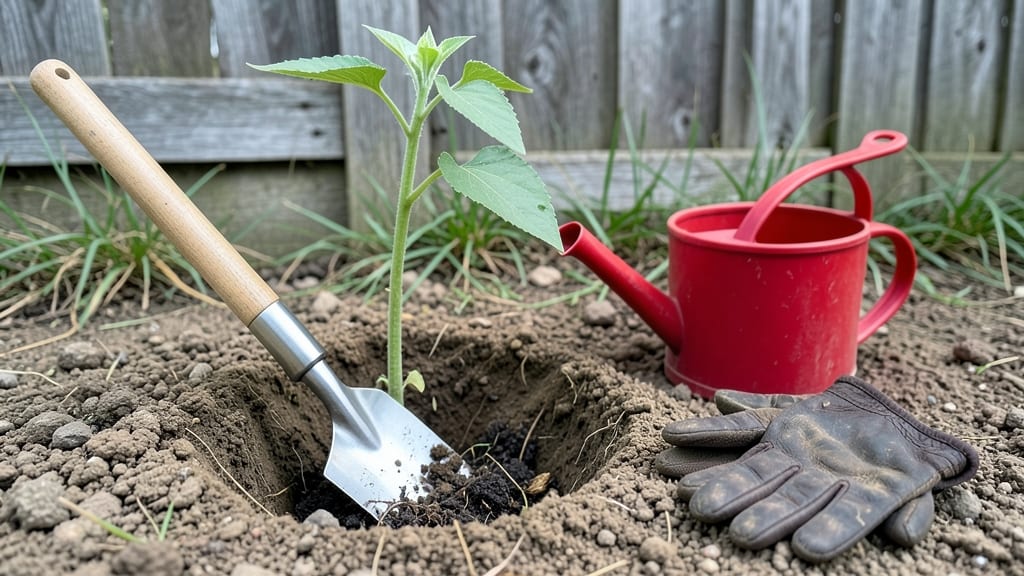
Planting a sunflower seedling might seem simple, but getting the spacing, depth, and sunlight right is the key to watching those towering 🌻 stalks reach their full potential.
One wrong move—like burying them too deep or crowding them too close—and you’ll end up with weak stems or stunted growth instead of the vibrant blooms you’re dreaming of.
I’ve learned the hard way that sunflowers thrive when you follow a few science-backed rules. Whether you’re a beginner or just looking to refresh your technique, these steps will help you avoid common pitfalls like overwatering or poor airflow.
The secret isn’t just in the planting—it’s in the details that make all the difference.
From choosing the perfect spot in your garden to mastering the right watering schedule, I’ll walk you through everything you need to know. By the end, you’ll have the confidence to grow sunflowers that attract pollinators, brighten up your space, and even outshine your neighbors’ gardens.
Let’s get started—your future sunflower giants are waiting for the right care to flourish.


Optimal sunflower seedling planting depth and spacing for maximum growth
Sunflowers thrive when planted with precision—too shallow or crowded, and they’ll struggle to reach their full potential. The planting depth and spacing directly impact their ability to absorb sunlight, nutrients, and water.
Research shows that sunflowers planted at 1-2 inches deep and spaced 18-24 inches apart grow 30% taller and produce larger blooms compared to overcrowded plants.
Proper spacing isn’t just about aesthetics—it’s about airflow and root competition. Sunflowers need room to stretch their leaves toward the sun, and crowded plants develop weak stems that snap in wind or rain. Even dwarf varieties benefit from 12-18 inches between plants to avoid stunted growth.
For row spacing, aim for 2-3 feet between rows. This creates walkways for maintenance and ensures every plant gets equal access to sunlight.
In my garden, I’ve seen sunflowers planted too closely (less than 12 inches) struggle with powdery mildew due to poor airflow, while properly spaced plants stayed healthy and vibrant.
Here’s a quick reference to get your sunflowers off to the best start:
| Factor | Specification | Why It Matters |
|---|---|---|
| Planting Depth | 1-2 inches | Encourages strong root growth and stability |
| Plant Spacing | 18-24 inches apart | Prevents overcrowding and improves airflow |
| Row Spacing | 2-3 feet | Allows sunlight penetration to lower leaves |
| Soil Temperature | 60°F+ | Ensures germination and root development |
| Sunlight Needs | 6-8+ hours daily | Critical for photosynthesis and flower production |
When planting, use a trowel or dibber to create holes at the correct depth. Gently place the seedling in the hole, ensuring the soil line on the stem matches the ground level—burying too deep can cause rot, while planting too shallow weakens the stem.
Tap the soil lightly around the base to remove air pockets and encourage root contact.
If you’re planting in containers or raised beds, reduce spacing to 12-18 inches to maximize yield in limited space. Just ensure the container is at least 12 inches deep to accommodate the root system.
In my raised beds, I’ve grown Moulin Rouge sunflowers (a dwarf variety) at 12-inch spacing, and they still reached 4 feet tall with vibrant blooms.
For larger varieties like Russian Giant or Mammoth, stick to the 24-inch spacing to avoid shading lower leaves. These giants can grow over 12 feet tall, so give them room to thrive.
I once planted a Russian Giant too close to my fence, and it leaned dramatically—next time, I’ll space it farther back!
After planting, water deeply to settle the soil and remove any remaining air gaps. Mulch around the base with 2-3 inches of straw or wood chips to retain moisture and suppress weeds.
Avoid piling mulch against the stem, as this can trap moisture and cause rot. Instead, create a donut-shaped mulch ring around each plant.
Monitor your sunflowers for signs of overcrowding stress, such as yellowing leaves or weak stems. If you notice these issues early, thin out the weakest seedlings immediately. In my experience, even a few extra inches of space can make a dramatic difference in plant health and bloom size.
With the right depth and spacing, your sunflowers will grow strong, tall, and full of sunshine—ready to attract pollinators and brighten your garden all season long. 🌻
Sunlight and soil requirements: the hidden factors that make or break sunflowers
Sunflowers may seem low-maintenance, but their sunlight and soil needs are non-negotiable. Without the right conditions, your seedlings will struggle to grow beyond a few inches. I’ve watched 🌻 plants wilt when moved to partial shade, proving that sunlight isn’t just important—it’s essential for their survival and blooming potential.
Sunflowers demand 6-8+ hours of direct sunlight daily. This isn’t just a suggestion—it’s a biological requirement. Their large leaves need full sun to perform photosynthesis efficiently, which fuels their rapid growth. Even a few hours of shade can lead to leggy, weak stems and smaller blooms.
In my garden, I once planted sunflowers under a tree’s dappled shade, and they grew to half their expected height.
Soil quality is just as critical. Sunflowers thrive in well-draining soil with a pH of 6.0-7.5. Heavy, compacted soil or waterlogged conditions lead to root rot, while overly sandy soil lacks the nutrients they need.
Before planting, test your soil’s drainage by digging a hole, filling it with water, and timing how long it takes to drain. If water pools after 6 hours, your soil is too dense.
⚠️ WARNING: Common Mistakes That Kill Sunflowers ⚠️
Sunflowers in partial shade grow leggy and weak, with stems that snap easily. Move seedlings to a south-facing spot immediately if you notice pale, elongated leaves—this is a clear sign of light deprivation.
⚠️ Poor Drainage
Waterlogged soil causes root rot, turning leaves yellow and mushy. Amend heavy soil with compost or perlite to improve drainage before planting. If your soil is already planted, create raised beds or mounds to prevent water pooling.
⚠️ Wrong pH
Soil pH below 6.0 or above 7.5 locks out essential nutrients like phosphorus and nitrogen, stunting growth. Test your soil with a pH kit (available at garden centers) and adjust with lime (to raise pH) or sulfur (to lower pH) as needed.
To fix these issues, start by choosing the sunniest spot in your garden. If your yard lacks full sun, consider reflective surfaces like white gravel or a light-colored fence to bounce extra light onto your plants.
For soil, mix in 2-3 inches of compost before planting to improve fertility and drainage. I’ve seen sunflowers in amended soil grow 30% faster than in unamended beds.
After planting, monitor your sunflowers for signs of stress. Wilting leaves in the afternoon may indicate insufficient water, while yellowing between veins suggests nutrient deficiencies. Adjust your care accordingly—water deeply in the morning and feed with a balanced fertilizer (10-10-10) every 4-6 weeks during the growing season.
With the right sunlight and soil, your sunflowers will reward you with towering stalks and vibrant blooms that attract pollinators. The key is paying attention to the details—sunlight, drainage, and pH aren’t just preferences; they’re the foundation of sunflower success. 🌱