
How To
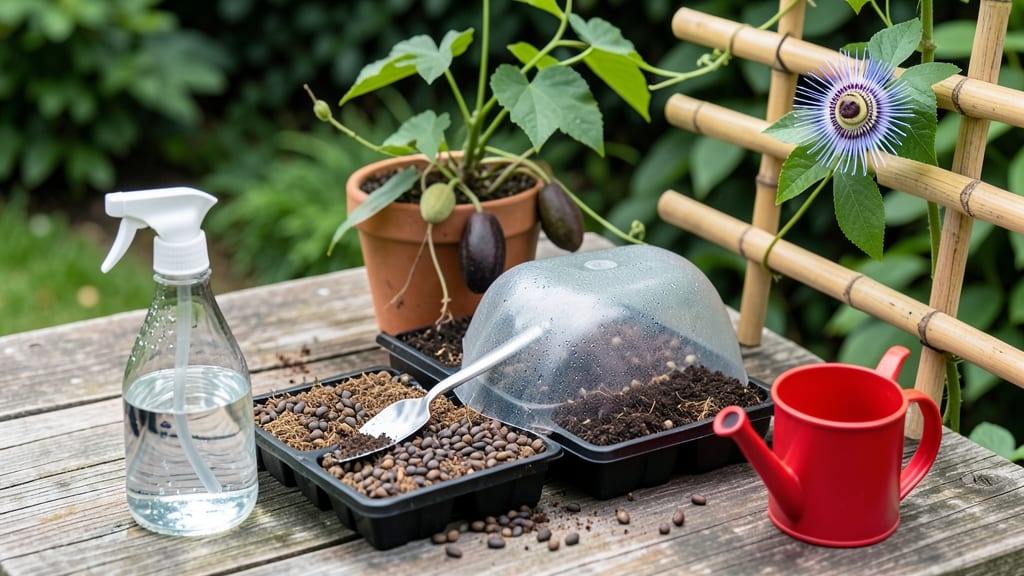
Planting passion flower seeds 🌺 might seem tricky, but with the right approach, you can unlock a garden full of stunning vines and fragrant blooms in just a few months. The key to success starts before you even place those seeds in the soil—proper preparation makes all the difference.
Many gardeners struggle with slow germination or weak seedlings, but I’ve found that a few simple tricks—like soaking seeds overnight and using the perfect soil mix—can boost your chances of fast sprouting.
Whether you're a beginner or a seasoned gardener, these steps will help you avoid common pitfalls and get your passion flowers off to a strong start.
In this guide, I’ll walk you through every detail, from prepping your seeds to creating the ideal growing environment. You’ll discover how to maximize germination rates, troubleshoot issues, and give your seedlings the best possible head start for a thriving vine.
Ready to turn those tiny seeds into a breathtaking garden feature? Let’s get growing—your passion flower adventure begins here!


Step-by-step passion flower seed germination process with pro tips
Passion flower seeds can be tricky to germinate, but with the right approach, you can achieve 70-90% success rates. These stunning vines thrive when given the perfect start—warmth, moisture, and patience are key.
I’ve refined my method over years of trials to ensure your seeds don’t just sprout, but flourish from day one.
First, select fresh seeds from a reputable supplier—old seeds lose viability quickly. Passion flowers have hard seed coats, so we’ll tackle that challenge head-on. The secret lies in pre-soaking and temperature control, which I’ll break down step-by-step below to maximize your chances.
How to Plant Passion Flower Seeds
-
Step 1: Pre-Soak Seeds
Fill a bowl with warm water (80°F) and add seeds. Let them soak for 24-48 hours, changing water every 12 hours. This softens the hard seed coat and kickstarts germination. Pro Tip: Add a drop of hydrogen peroxide (3%) to prevent mold. -
Step 2: Prepare the Growing Medium
Use a light, airy mix of 50% peat moss and 50% perlite. Sterilize the mix by baking it at 200°F for 30 minutes to kill pathogens. Fill seed trays or small pots (2-3 inches deep) with this medium, leaving ½ inch from the rim. -
Step 3: Plant the Seeds
After soaking, plant seeds ¼ inch deep in the prepared medium. Space them 1 inch apart to avoid overcrowding. Gently press the soil around each seed to ensure good contact. Label your trays with the planting date for tracking. -
Step 4: Control Temperature and Humidity
Place the trays in a warm, humid environment (75-85°F). Use a seedling heat mat if your home runs cooler. Cover the trays with plastic wrap or a humidity dome to retain moisture. Check daily for condensation—remove the cover for 10 minutes daily to prevent fungal growth. -
Step 5: Provide Indirect Light
Position the trays under grow lights or bright indirect light. Avoid direct sunlight, which can overheat the soil. 12-14 hours of light daily is ideal. If using natural light, place them near a south-facing window but out of harsh afternoon sun. -
Step 6: Monitor and Water Gently
Keep the soil consistently moist (not soggy). Use a spray bottle to water lightly, targeting the soil surface. Avoid wetting the seeds directly. Germination typically takes 14-30 days, but some varieties may take up to 60 days. Patience is key! -
Step 7: Transplant Seedlings
Once seedlings have 2-3 true leaves and are 2 inches tall, transplant them into 4-inch pots with a well-draining potting mix. Harden them off by placing them outdoors in partial shade for 1 hour daily, gradually increasing exposure over 7-10 days.
One of the biggest mistakes I see is overwatering or using cold soil, both of which slow germination. Passion flowers are tropical vines, so they crave warmth and humidity.
If your seeds haven’t sprouted in 30 days, try scarifying them by lightly sanding the seed coat with fine-grit sandpaper before re-soaking.
Once your seedlings emerge, they’ll grow rapidly if given the right care. Keep them in bright, indirect light until they’re ready for their final outdoor spot. Remember, passion flowers can climb 10-30 feet, so plan for a trellis or sturdy support system early on.
For extra success, consider using a seedling heat mat and a humidity tray to create the ideal microclimate. These tools make a world of difference in germination rates. With these steps, you’ll be well on your way to growing lush, flowering passion vines in no time.
🌱 Don’t let seed germination stress you out—passion flowers are worth the effort, and these pro tips will set you up for success! 🌿
Best soil mix and container setup for passion flower seedlings
Choosing the right soil mix and container setup is critical for passion flower seedlings. These tropical vines need a lightweight, well-aerated medium to prevent root rot while maintaining moisture.
I’ve tested both peat-based and coco coir blends, and the results speak for themselves—your seedlings will thank you for the right choice.
The wrong setup can lead to damping-off disease, a fungal issue that kills young seedlings before they even get a chance to sprout. That’s why I recommend focusing on drainage and sterilized growing mediums. Let’s break down the best options to give your passion flowers the perfect start.
| Factor | Peat-Based Mix (50% peat, 30% perlite, 20% vermiculite) | Coco Coir Mix (70% coco coir, 20% perlite, 10% worm castings) |
|---|---|---|
| Moisture Retention | High (retains water longer) | Moderate (dries slightly faster) |
| Drainage | Good (add perlite for better airflow) | Excellent (coco coir breaks down cleanly) |
| pH Level | 5.0-6.5 (acidic) | 5.8-6.8 (neutral-leaning) |
| Sterilization | Bake at 200°F for 30 mins | Soak in 1% hydrogen peroxide for 10 mins |
| Best Container | Seed trays with drainage holes | Individual 2-3" pots (better airflow) |
| Damping-Off Risk | Moderate (keep moist but not soggy) | Low (better drainage reduces fungal risk) |
For peat-based mixes, I recommend adding a fungicide like mycorrhizal powder to prevent damping-off. The high moisture retention can create the perfect environment for fungal growth if not managed properly.
My go-to ratio is 50% peat moss, 30% perlite, and 20% vermiculite—this combo keeps roots aerated while holding enough moisture.
If you prefer eco-friendly options, coco coir is my top pick. It’s sustainable, lightweight, and breaks down without compacting like peat. Mix it with 20% perlite and 10% worm castings for added nutrients.
The slightly faster drying time actually helps prevent overwatering, which is a common issue with passion flower seedlings.
When it comes to containers, I’ve found that individual 2-3 inch pots work better than seed trays for passion flowers. The extra space reduces crowding, which lowers the risk of disease.
Always use pots with drainage holes and place them on a tray with pebbles to catch excess water. This simple setup keeps roots healthy and prevents waterlogging.
One final tip: Always sterilize your soil mix before planting. For peat-based mixes, bake in the oven at 200°F for 30 minutes. For coco coir, soak in 1% hydrogen peroxide for 10 minutes to kill any lurking pathogens. Your seedlings will have a much stronger start with these precautions.