
How To
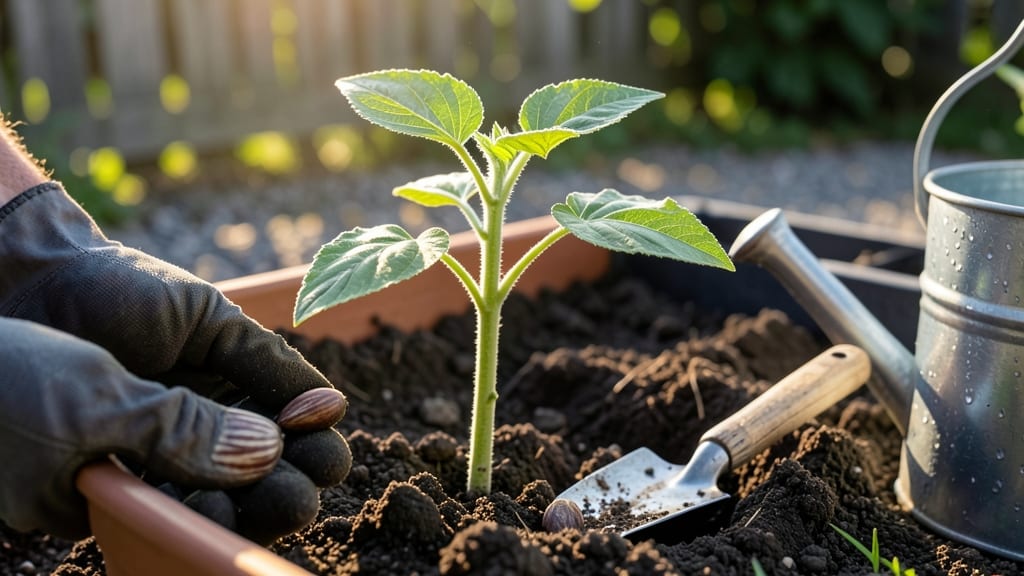
Planting sunflower seeds is the easiest way to grow fast, towering blooms that brighten any garden—but most beginners mess up the depth, which can mean the difference between thriving stalks and wasted seeds.
I’ve learned the hard way that sunflowers (🌻) demand precision: too shallow, and they dry out; too deep, and they rot before sprouting. The secret lies in simple soil prep and the right technique, whether you’re growing dwarf varieties or giant sunflowers in Zone 6a.
In this guide, I’ll walk you through the exact steps—from planting in April–May to ensuring rapid germination—so you can enjoy sunflowers reaching their full height by summer’s end.
Skip the guesswork and get the proven method for planting sunflower seeds that actually grow, with troubleshooting tips to fix common mistakes before they happen.


Optimal sunflower seed planting depths by variety and soil type
Sunflower seeds are surprisingly delicate when it comes to planting depth—too shallow and they dry out, too deep and they rot. The right depth ensures rapid germination and strong stems.
For most varieties, the ideal range is between ¼” and 1.5”, but this varies based on seed type and soil conditions. Let’s break down the specifics so you can plant with confidence.
First, consider your sunflower variety. Giant varieties like Mammoth or Russian Giant need slightly deeper planting (1”–1.5”) to support their towering growth, while dwarf varieties like Teddy Bear or Sunspot thrive with shallower depths (¼”–½”).
Oilseed varieties, often used for bird feeders, typically fall in the ½”–1” range. Matching depth to variety prevents weak stems or poor germination.
Soil type plays a critical role too. In sandy soil, which drains quickly, plant seeds at the shallow end (¼”–½”) to avoid drying out. Clay soil, which holds moisture longer, allows for slightly deeper planting (1”–1.5”) to prevent rot.
Always loosen the soil first—sunflowers hate compacted roots. A simple finger test can help: if the soil crumbles easily, it’s ready for seeds.
Here’s a quick reference to avoid common mistakes:
Germination timelines vary, but most sunflower seeds sprout within 5–12 days under ideal conditions. Keep the soil consistently moist (not soggy) during this window—use a spray bottle for sandy soil to avoid displacing seeds.
If you’re planting in cooler weather (50°F or below), consider a mini greenhouse or row cover to speed up sprouting.
One of my biggest mistakes early on was planting seeds too deep in heavy clay soil. The result? Rot before germination. Now, I always test soil moisture by squeezing a handful—if it holds its shape, it’s too wet.
For clay, I mix in coarse sand or perlite to improve drainage. In sandy soil, I water gently after planting to settle seeds without washing them away.
Pro tip: Use a seed planting marker or toothpick to create a small hole at the correct depth. This ensures consistency, especially if you’re planting multiple rows. Label your varieties too—giant sunflowers can overshadow dwarfs, making it hard to distinguish them later.
Once seeds are in the ground, avoid disturbing the soil until sprouts appear to prevent seed displacement.
After germination, thin seedlings to 12”–24” apart (depending on variety) to give roots room to spread. Watch for crowding signs like yellowing leaves or stunted growth—this means it’s time to space them out.
With the right depth and soil prep, your sunflowers will shoot up like sky-scrapers, reaching their full potential in under 100 days.
Remember, sunflowers are resilient once established, but those first few weeks are critical. Pay attention to depth, soil type, and moisture, and you’ll be rewarded with vibrant blooms that turn heads (and attract pollinators) all season long. Happy planting! 🌻
Step-by-step sunflower planting process for maximum germination
Sunflowers (🌻) are one of the easiest flowers to grow, but their success starts with precisely timed planting and optimal soil conditions. I’ve found that the difference between a thriving sunflower and a failed seedling often comes down to soil preparation and proper spacing.
Whether you’re planting in April–May or extending your season, these steps ensure your seeds sprout within 7–14 days and reach 6-foot stalks in under 100 days.
First, choose a sunny location with at least 6–8 hours of direct sunlight—this is non-negotiable for sunflowers. Test your soil’s pH (6.0–7.5) and amend it with compost or a balanced fertilizer (10-10-10) if it’s rocky or nutrient-poor.
Sunflowers love loose, well-draining soil, so avoid compacted clay unless you’re amending it with sand or peat moss.
How to Plant Sunflower Seeds for Fast Germination
-
Step 1: Prepare the Soil
Loosen the top 6 inches of soil with a garden fork or tiller. Mix in 2–3 inches of compost to improve drainage and fertility. For heavy clay, add sand or perlite to prevent waterlogging.
-
Step 2: Plant Seeds at the Right Depth
Sow seeds 1 inch deep (about the width of two fingers). Press them lightly into the soil—no need to bury deeply. For sandy soil, plant slightly shallower (½ inch), while clay soil can handle up to 1.5 inches.
-
Step 3: Space Seeds for Optimal Growth
Space seeds 12–24 inches apart, depending on the variety. Dwarf sunflowers (2–4 ft) need 12 inches, while standard varieties (8–16 ft) require 24 inches to avoid overcrowding and disease.
-
Step 4: Water Gently After Planting
Water the soil lightly to settle seeds, then deeply (1–1.5 inches) to encourage root growth. Avoid overwatering, which can cause seeds to rot. Use a watering can with a fine rose or a gentle spray nozzle.
-
Step 5: Apply Mulch for Moisture Retention
Spread a 2-inch layer of mulch (straw or shredded leaves) around each seedling to retain moisture and suppress weeds. Keep mulch 2 inches away from stems to prevent rot.
-
Step 6: Monitor for Germination
Sunflower seeds typically sprout in 7–14 days in warm soil (70°F+). Once sprouts appear, thin seedlings to your desired spacing. If germination is slow, check for moisture consistency—sunflowers hate soggy soil.
-
Step 7: Provide Post-Planting Care
Water deeply once a week (or more in hot, dry weather). Fertilize lightly with a balanced fertilizer every 4–6 weeks during the growing season. Stake tall varieties if needed to prevent toppling in wind.
After planting, avoid disturbing the soil around seedlings—sunflowers have sensitive root systems. If you notice yellowing leaves or stunted growth, check for overwatering or nutrient deficiencies.
Sunflowers are surprisingly low-maintenance, but they reward attention to detail with vibrant blooms and towering stalks in just 8–10 weeks.
For maximum height, plant seeds in early spring (April) when soil temperatures reach 60°F+. If you’re in a cooler climate (Zone 6a), consider starting seeds indoors 2–3 weeks before the last frost and transplanting after danger of frost has passed.
With these steps, you’ll have sunflowers reaching their full potential by summer’s end! 🌻