
Flowers
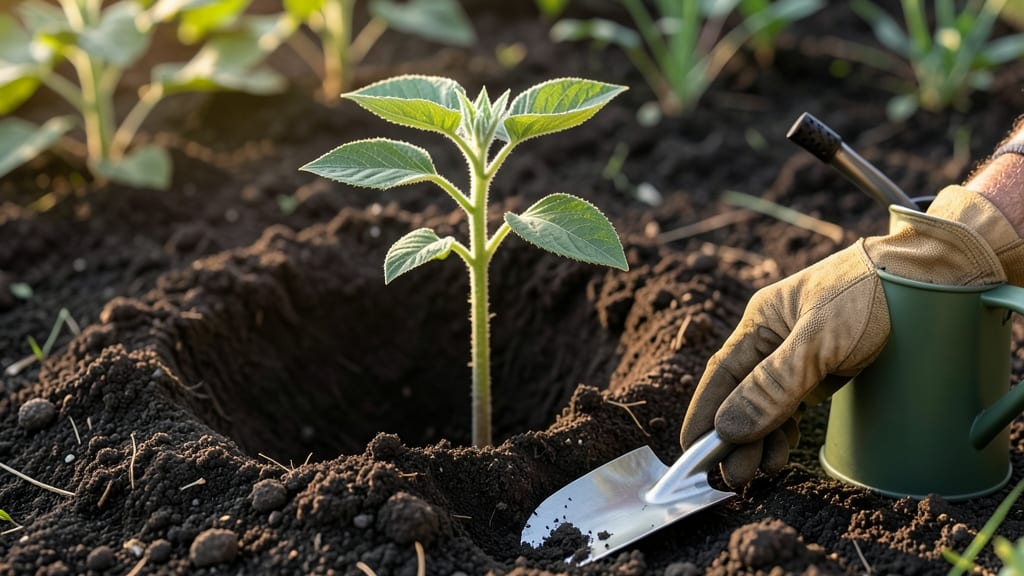
To plant sunflowers and watch those 🌻 giants reach for the sky, you’ll need more than just good intentions—you need the right techniques. Sunflowers are famously easy to grow, but even the toughest seeds need the perfect start to grow straight and strong.
Whether you’re a first-time gardener or a seasoned pro, getting the depth, spacing, and sunlight just right makes all the difference between a scraggly stem and a towering, vibrant bloom.
I’ve learned the hard way that planting sunflowers too shallow or too close together leads to floppy stems and weak roots. But with the right soil prep, 1-2 inches of depth, and proper spacing, you’ll set them up for success from day one.
The key? Understanding how your sunflower variety grows—whether it’s a dwarf variety or a mammoth that could outgrow your fence.
Sunlight is non-negotiable—these plants crave at least 6 hours of direct sun daily, or they’ll stretch and wilt like a sleepy cat. Watering isn’t about frequent light showers but deep, infrequent soaks to encourage strong roots.
And if you’ve ever seen a sunflower lean dramatically to one side, you’ll want to know how to support those 10-foot+ stalks without sacrificing their natural beauty.
In this guide, I’ll walk you through every step—from soil prep to companion planting—to ensure your sunflowers grow tall, healthy, and full of life. Ready to turn your garden into a sunlit masterpiece? Let’s get started.


Perfect sunflower planting depth, spacing, and soil secrets for maximum growth
Sunflowers thrive when planted with precision, and getting the depth, spacing, and soil conditions right is the foundation for those iconic towering blooms. I’ve learned from years of trials that even small mistakes—like planting too deep or crowding seeds—can lead to weak stems or stunted growth.
The good news? Sunflowers are forgiving, but these science-backed techniques will give you the strongest, healthiest plants from day one.
Start with well-draining soil that’s rich in organic matter. Sunflowers hate soggy roots, so if your garden has heavy clay, amend it with compost or sand to improve aeration. For sandy soil, mix in peat moss or coconut coir to retain moisture.
The key is striking a balance—sunflowers need nutrients but can’t handle waterlogged conditions, which often lead to root rot or flopping stems.
Now, let’s talk planting depth. Most gardeners make the mistake of burying seeds too deep, which delays germination. The ideal depth is 1 inch deep—no deeper, no shallower. Use your finger to create a small hole, drop in 2-3 seeds (they’re cheap!), and cover lightly with soil.
Press gently to ensure good seed-to-soil contact, which helps moisture reach the seeds faster. Pro tip: If you’re planting in cooler climates, consider a mini greenhouse or row cover to speed up sprouting.
Spacing is where things get tricky because it depends on your sunflower variety. Dwarf varieties like ‘Teddy Bear’ need only 12 inches apart, while mammoth types like ‘Russian Giant’ demand 24-36 inches to prevent competition for nutrients.
Overcrowding leads to weak stems that flop over—something no one wants when aiming for that 10-foot-tall showstopper. I always mark my rows with stakes to keep spacing consistent, especially in larger gardens.
| Factor | Dwarf Varieties | Standard Varieties | Mammoth Varieties |
|---|---|---|---|
| Planting Depth | 1 inch | 1 inch | 1 inch |
| Spacing (inches) | 12-18 | 18-24 | 24-36 |
| Soil pH | 6.0-7.5 | 6.0-7.5 | 6.0-7.5 |
| Sunlight Needs | 6+ hours | 6+ hours | 8+ hours |
| Mature Height | 1-3 ft | 4-8 ft | 10-16 ft |
| Soil Prep Tip | Add compost | Loosen soil | Stake early |
Don’t overlook soil preparation—this is where many gardeners drop the ball. Before planting, till the top 12 inches of soil to break up compaction and mix in 2-3 inches of compost.
Sunflowers are heavy feeders, especially mammoth varieties, so a slow-release fertilizer like 5-10-10 at planting time gives them a nutrient boost without burning tender roots. I swear by working in a handful of bone meal for extra phosphorus, which encourages strong root development and vibrant blooms.
If you’re in a windy area, consider planting sunflowers near a fence or trellis for natural support. Even with proper spacing, tall varieties can flop if their stems aren’t reinforced.
For extra insurance, drive a 6-foot stake into the ground at planting time and loosely tie the stem to it as it grows. This prevents the classic "sunflower flop" that ruins the dramatic effect you’re aiming for.
One mistake I see often is overwatering after germination. While seeds need consistent moisture to sprout, once the first true leaves appear, let the top inch of soil dry out between waterings.
This encourages deep root growth, which is critical for tall, sturdy stems. Mulch around the base with straw or shredded
Sunlight, watering, and support tricks to grow sunflowers taller than ever
Sunflowers thrive when they get their sunlight needs met—at least 6-8 hours of direct sun daily. Without enough light, they’ll stretch awkwardly toward any available rays, a condition called etiolation, which weakens their stems.
I’ve seen sunflowers in partial shade lean so dramatically they topple over, so always plant them in the sunniest spot in your garden.
For maximum height, focus on deep watering rather than frequent light showers. Sunflowers develop deep roots, and a 1-2 gallon soak once a week encourages stronger stems. Shallow watering keeps roots near the surface, making plants more prone to lodging (falling over) when winds pick up.
Even with perfect sunlight and water, tall sunflowers need support. Mammoth varieties (like 'Russian Giant') can reach 12+ feet and often flop without help. Staking isn’t just for weak plants—it’s a way to guide their growth while letting them stay naturally wind-resistant.
Sunflowers hate soggy roots, which leads to yellowing leaves and fungal diseases. Water only when the top 1-2 inches of soil feels dry. And if you wait until your sunflower is already leaning to stake it, you risk breaking the stem at the base. Instead, install supports early—as soon as stems reach 1-2 feet tall.
To stake sunflowers, use soft ties (like old T-shirts or garden twine) wrapped gently around the stem and a bamboo stake. Avoid wire or plastic ties, which can cut into the stem as it thickens.
I like to tie the plant loosely, leaving room for growth, and adjust the tie every 2-3 weeks to prevent constriction.
Slow growth or yellowing leaves often signal a problem. Check for overcrowding—sunflowers need 12-24 inches of space to grow tall and strong. If leaves turn yellow at the base, it could mean root rot from overwatering or nutrient deficiency.
A light application of balanced fertilizer (5-10-10) can help, but don’t overdo it—sunflowers are heavy feeders but don’t need constant nutrients.
For extra height, try companion planting. Tall sunflowers benefit from being planted near low-growing companions like marigolds or borage, which deter pests and improve soil health.
And if you’re growing sunflowers in containers, choose a variety like 'Teddy Bear' (dwarf) and use a wide, deep pot with support stakes built into the design.
With the right sunlight exposure, watering routine, and support system, your sunflowers will reach heights you’ve only dreamed of—towering over your fence and turning heads in the neighborhood. 🌻