
Shrubs
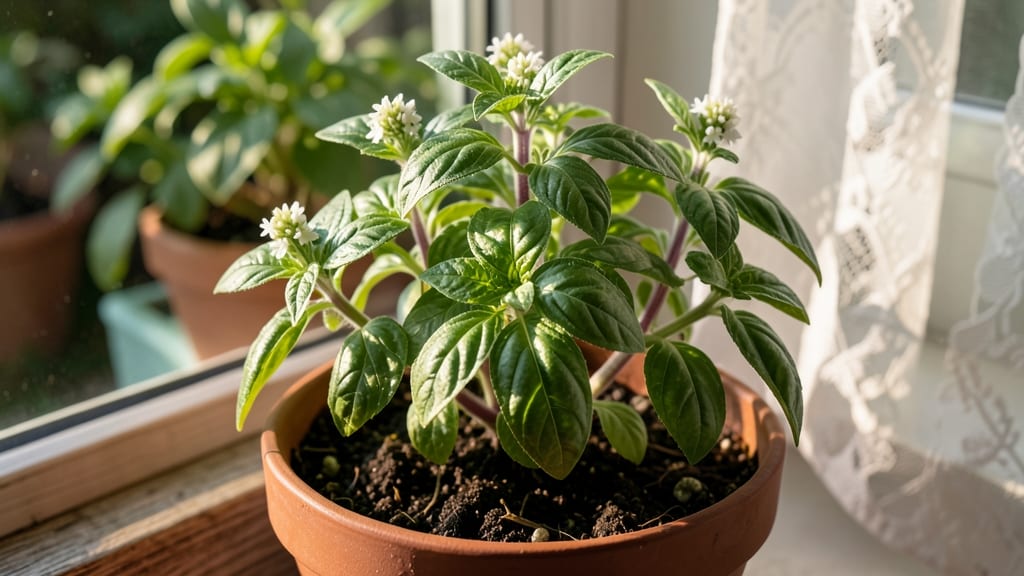
Spotting how to tell if basil is flowering by those tiny white or purple blooms? That’s your plant’s way of saying, "Time’s up!" Once basil flowers, its flavor takes a nosedive, and those big, flavorful leaves you love start shrinking fast.
The good news? You can still save your crop with a few quick steps—if you act before the flowers fully open.
Flowering basil isn’t just about looks—it’s a game-changer for your harvest. Those delicate blooms signal the plant is shifting its energy from leaves to seeds, leaving you with bitter, small leaves that aren’t worth harvesting.
But don’t panic: with the right moves, you can prune those flowers and give your basil a second chance at producing those aromatic leaves you crave.
I’ve seen this happen to even the most careful gardeners, and the key is catching it early. Whether you’re a beginner or a seasoned green thumb, knowing what to look for—and what to do next—can mean the difference between a sad, flowering basil and a thriving, flavorful plant.
Let’s dive into how to spot those flowers and what to do before it’s too late.
You’ll learn the 3 immediate actions to take when you see those first buds, plus pro tips to keep your basil flowering-free for weeks longer. Trust me, your next pesto will thank you!
Visual signs your basil plant is flowering (and why it matters)
Spotting basil flowers can feel like a gardening crisis—but it’s actually your plant’s natural signal to shift focus from leaves to seeds. When basil flowers, its flavor intensifies in a bitter, anise-like way, and the plant redirects energy away from leaf production.
The sooner you recognize these signs, the more you can preserve your harvest and extend your basil’s productive life.
Flowering basil typically appears as tiny white or purple blooms at the stem tips, but there are earlier warning signs too. If you miss these cues, your plant may bolt (send up a tall flower stalk), leaving you with fewer leaves and a shorter harvest window.
Let’s break down what to watch for at each stage.
🌱 Key Takeaway: Flowering basil = time to act. Pruning flowers early can reset your plant’s growth cycle, giving you weeks more of sweet, aromatic leaves.
| Sign | What It Looks Like | Stage | Impact on Plant |
|---|---|---|---|
| Tiny buds | Small green or purple bumps at leaf junctions | Early stage | Leaves may start tasting bitter |
| White/purple flowers | Small clusters of 4-petal blooms | Mid-stage | Leaf production slows significantly |
| Tall flower stalk | Stem elongates rapidly (bolting) | Late stage | Plant focuses on seeds; leaves harden |
| Seed pods | Dry brown capsules replacing flowers | Final stage | Harvest window closes; plant declines |
🌿 Pro Tip: Purple-flowering varieties (like 'Red Rubin') are just as prone to bolting as green types—don’t assume color protects flavor!
If you’ve spotted tiny buds but no flowers yet, you’re in the early stage of flowering. This is your best chance to prune the buds off and redirect your basil’s energy back to leaf growth.
Use clean scissors or fingers to pinch the buds between your thumb and forefinger—no tools needed!
The mid-stage is when those buds burst into white or purple flowers. At this point, your basil’s flavor shifts dramatically—the sweet, peppery notes give way to a harsh bitterness. If you’ve already harvested some leaves, use them sparingly in cooked dishes where the flavor can blend in.
By the time your basil sends up a tall flower stalk (bolting), it’s too late to save the current harvest. The plant’s priority shifts to seed production, and the leaves become tough and stringy.
However, you can still harvest the remaining leaves for pesto or drying before the plant fully declines.
Did you know? Genovese basil, a popular Italian variety, is especially prone to early flowering. If you’re growing this type, harvest leaves aggressively and pinch flowers daily to delay bolting by up to 4-6 weeks compared to neglected plants.
Flowering basil isn’t just about aesthetics—it’s a growth cycle shift that directly impacts your harvest. The earlier you act, the more leaves you’ll save and the longer your basil will stay productive. Next, we’ll cover the 3 immediate actions to take when you spot those first flowers.
🌱
What to do when you spot basil flowers: 3 immediate actions to save your plant
Once you’ve spotted those tiny white or purple basil flowers, time is of the essence. Your first move should be pruning the flowers immediately—this stops the plant from shifting energy toward seeds and gives your basil a second chance at leaf production.
I’ve saved countless basil plants by acting fast, and you can too. The key is knowing which flowers to remove and how to do it without damaging the plant.
Start by examining your basil for any visible buds or flowers. These will appear at the leaf junctions or stem tips, often clustered in groups of 4-6 petals. Use a pair of clean, sharp scissors or your fingers to pinch them off.
The goal is to remove the entire flower cluster down to the main stem—this prevents further flowering and encourages bushier growth.
- 1 Inspect the plant: Look for tiny green or purple buds at leaf junctions or stem tips. These are the first signs of flowering.
- 2 Pinch off buds: Use your thumb and forefinger to pinch the buds off at the base. No tools needed—just a gentle twist or snap.
- 3 Remove open flowers: If flowers are already open, cut the entire flower stalk down to the main stem using clean scissors. This prevents seed production.
After pruning, your basil will need a little extra care to bounce back. Increase watering slightly to help the plant recover, but avoid overwatering, which can lead to root rot. A light fertilizer application with a balanced 10-10-10 mix can also encourage new leaf growth.
I’ve found that basil responds well to this extra attention, often producing fresh leaves within 1-2 weeks.
If your basil has already bolted—meaning it’s sent up a tall flower stalkharvest the remaining leaves for pesto or drying.
Bolted basil makes excellent dried basil for winter use. Simply pick the leaves, tie them in bundles, and hang them upside down in a dry, dark place for 1-2 weeks.
For the most stubborn cases, consider replanting basil seeds or cuttings from your existing plant. Basil is easy to propagate—just take a 4-inch cutting, strip the lower leaves, and place it in water or moist soil.
Within a few weeks, you’ll have a brand-new basil plant ready to thrive. This is my go-to method for extending the growing season and ensuring a continuous supply of fresh basil.
🌿 Remember: The sooner you act, the better your chances of saving your basil. Even if your plant is already flowering, these steps can help you maximize your harvest and keep your garden productive.
Next time, we’ll cover how to prevent flowering early so you can enjoy sweet basil leaves all season long.