
Blooming
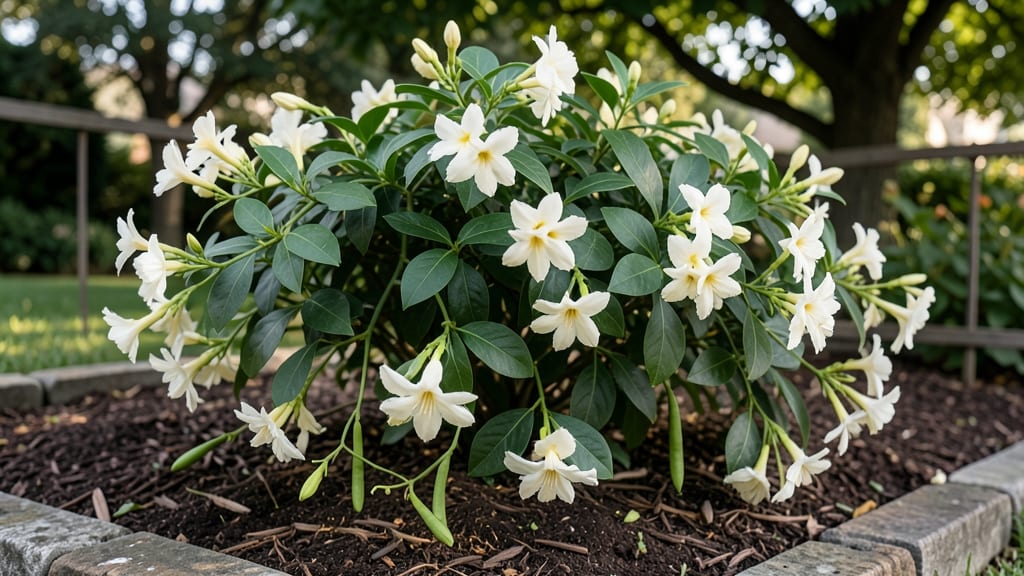
Jasmine flowering period by variety: when and how long each type blooms
Jasmine’s flowering period varies dramatically by variety, making it essential to choose the right type for your climate zone. Some varieties burst into bloom in late spring, while others reward you with year-round fragrance if grown in the right conditions.
Let’s break down the peak bloom months and duration for the most popular jasmine types to help you plan your garden’s scented timeline.
Understanding these patterns isn’t just about aesthetics—it’s about creating the perfect environment for your jasmine to thrive. For example, tropical varieties like Jasminum sambac (Arabian jasmine) can flower continuously in warm climates, while hardy types like Jasminum officinale (common jasmine) take a seasonal break.
Let’s explore how each type aligns with your local growing season.
Here’s a quick look at what to expect from each variety’s bloom cycle, including how long the flowers last and when they peak. This comparison will help you decide whether to plant a spring bloomer, a summer ever-bloomer, or a winter-flowering type—if you’re in the right zone.
Spring-Summer (cooler zones)
4-6 weeks (cooler)
Needs winter protection in colder zones
Hardy to -15°F
Needs winter protection
Hardy to -20°F
Needs winter shelter
If you live in USDA Zone 9 or warmer, varieties like Arabian jasmine and Grand Duke of Tuscany can provide near-continuous blooms with minimal effort. However, in cooler climates (Zones 5-7), Winter Jasmine and Common Jasmine become your best bets for seasonal scent.
The key to extending their bloom periods lies in understanding their natural dormancy cycles and how to mimic ideal conditions.
For instance, Arabian jasmine thrives in humid, tropical climates and may need winter protection
How to extend jasmine’s flowering season: proven techniques for longer blooms
Jasmine’s natural flowering period often feels too short for gardeners craving year-round fragrance. Most varieties bloom in late spring to early summer, but with the right strategies, you can push those delicate white or yellow flowers to appear months earlier or later.
The key lies in understanding your plant’s growth cycle and giving it the right conditions to stretch its bloom window without stress.
I’ve found that combining pruning techniques, strategic light exposure, and seasonal fertilizing adjustments can extend jasmine’s flowering by 3-4 months in ideal conditions. For tropical varieties like Jasminum sambac, even winter blooms are possible with proper care.
Let’s dive into the proven methods that have worked in my garden—and can work in yours.
- 1
- 2
- 3
- 4
- 5
Cut back 1/3 of old wood in early spring to stimulate fresh shoots—these bear the most flowers. Avoid heavy pruning after June as it reduces fall blooms.
Move potted jasmines to morning sun only in summer to prevent leaf scorch. For year-round blooms, supplement with grow lights (12-14 hrs/day) in winter months.
Use balanced 10-10-10 fertilizer every 4-6 weeks during growing season. Switch to low-phosphorus (5-10-5) in late summer to promote fall blooms instead of leafy growth.
Remove spent blooms daily to redirect energy to new flowers. For prolonged fragrance, trim stems just above the first set of leaves after blooms fade.
Wrap potted jasmines in burlap and move indoors (60°F+) when temps drop below 40°F. Resume outdoor placement in spring after last frost.
One technique that often gets overlooked is root pruning for container-grown jasmines. Gently tease the roots when repotting in early spring—this shock encourages the plant to produce more flowering stems as it recovers.
I’ve seen this method extend my Jasminum grandiflorum blooms by nearly 2 months in my USDA Zone 8 garden.
For gardeners in cooler climates (Zones 5-7), focus on microclimates—plant near south-facing walls or under dappled shade trees to create a warmer niche. This simple trick can push blooms to start 2-3 weeks earlier in spring.
Pair this with mulching (2-3 inches of straw) to insulate roots and maintain consistent soil temps.
Remember that jasmine flowers are sensitive to over-fertilization, which can lead to lush foliage but fewer blooms. Always water thoroughly after fertilizing to prevent root burn—a common mistake that stunts flowering. The goal is to balance growth and bloom, not just push one over the other.
With these techniques, you’ll transform your jasmine from a seasonal beauty into a year-round fragrance machine. Start with just one or two methods this season, then build your routine as you see what works best for your climate and plant variety. Your nose—and your neighbors—will thank you!