
Flowers
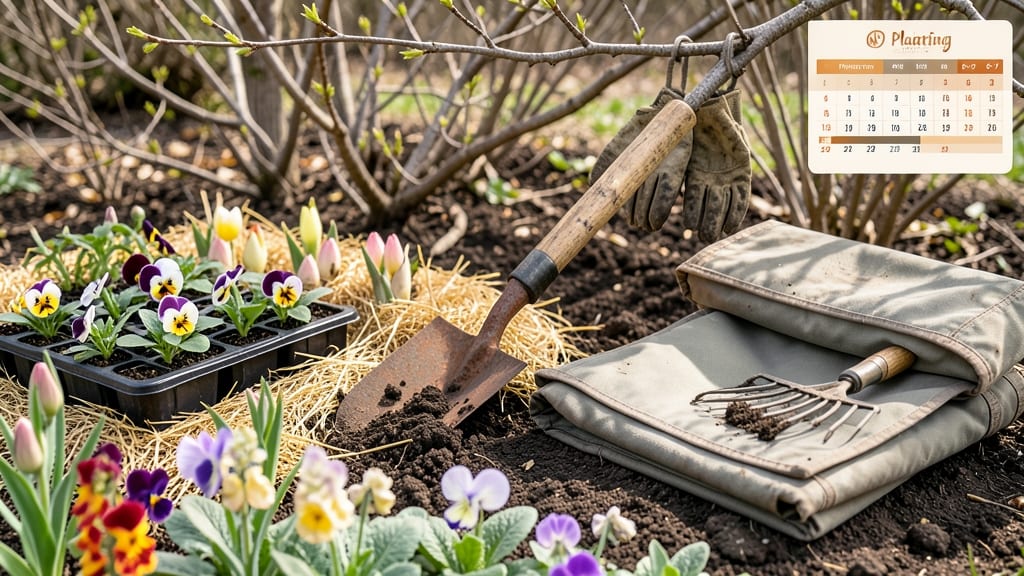
Timing your flower planting in New Jersey can make the difference between a vibrant garden and a sad, frost-nipped disappointment. With USDA zones 6a-7b and microclimates that vary from coastal breezes to inland valleys, knowing exactly when to plant your 🌸 flowers is the key to success.
Most gardeners assume spring is the only time to plant, but in New Jersey, fall planting often gives you a head start on next year's blooms.
The secret lies in understanding your local frost dates—whether you're in North Jersey's chillier climate or South Jersey's milder coastal areas—and adjusting your schedule accordingly.
In this guide, I'll walk you through the ideal planting windows for annuals, perennials, and bulbs, so you can avoid common mistakes like planting too early or missing the perfect fall window. You'll also discover how to spot your yard's microclimate and extend your growing season with simple tricks.
Ready to transform your garden? Let's dive into the science-backed timing that will help your flowers thrive—no matter where you live in the Garden State.
New Jersey’s frost zones & ideal flower planting months by region
New Jersey spans USDA Hardiness Zones 6a-7b, where frost dates vary wildly between North Jersey’s chilly valleys and South Jersey’s milder coastal areas. If you plant too early, a late frost can wipe out tender flowers like marigolds or zinnias.
But timing it right? That’s how you get nonstop summer blooms from May through October.
I’ve broken down the three key regions—North, Central, and South Jersey—with their average last frost dates and ideal planting windows for annuals, perennials, and bulbs. Pro tip: Coastal areas (like Cape May) often see 1-2 weeks earlier planting than inland spots like Sussex County.
Key takeaway: Wait until soil temps hit 50°F+ and after your region’s last frost date. For bulbs, plant in fall (October-November) to ensure spring blooms. Here’s your region-by-region planting schedule:
For annuals like petunias or geraniums, stick to the spring windows above. But perennials like coneflowers or black-eyed Susans can handle cooler soil—plant them 2-3 weeks earlier in spring. Just cover them with row fabric if a late frost sneaks in.
In South Jersey’s Zone 7b, you can even push the envelope with tender flowers like impatiens. Start seeds indoors by March 15 and transplant after April 15. Inland areas? Wait until May 1 to avoid frost damage.
Bulbs are a game-changer for early color. Plant tulips and daffodils in fall (October-November)—they’ll naturalize and return year after year. For late-season blooms, try fall-planted bulbs like crocuses or snowdrops—they’ll pop up in February-March before spring flowers even think about waking up.
Don’t forget microclimates! A south-facing wall can add 10°F warmth to your garden. Use this to your advantage by planting heat-lovers like lavender or salvia near sunny spots.
Conversely, shady spots (like under trees) may need shade-tolerant flowers like impatiens or ferns planted 2 weeks later than the general schedule.
Pro move: Use a frost-freeze calendar from your local Cooperative Extension office (like Rutgers NJAES) for hyper-local adjustments. Their data accounts for year-to-year variations—critical when NJ’s frost dates can shift by 2 weeks either way.
Finally, fall planting is your secret weapon for next-year’s blooms. Annuals like pansies or snapdragons thrive when planted in August-September—they’ll handle light frosts and give you winter color before spring flowers take over.
With these region-specific windows, you’ll avoid the frosty heartbreak and enjoy blooms from May through October. Happy planting!
How to adjust planting times for microclimates in your yard
New Jersey’s diverse landscapes create unique microclimates that can shift your planting windows by weeks. A coastal garden in Cape May enjoys milder winters, while inland areas near the Delaware Water Gap face earlier frosts.
Understanding these variations lets you extend your growing season and protect delicate blooms from unexpected cold snaps.
For example, urban heat islands in cities like Newark can be 5-10°F warmer than rural areas, allowing you to plant tender annuals like marigolds or zinnias 2-3 weeks earlier. Meanwhile, coastal regions benefit from ocean breezes that delay frost, giving you a longer window for fall plantings.
The key is observing your yard’s specific conditions and adjusting your schedule accordingly.
🌱 Adjust Your Planting Times with These Microclimate Tips
- 1. Coastal Areas: Plant perennials like black-eyed Susans 3 weeks earlier than inland zones. Ocean breezes delay frost by 10-14 days.
- 2. Urban Heat Islands: Use heat-tolerant flowers (e.g., lantana, salvia) and plant annuals 2 weeks ahead of rural areas.
- 3. Inland Valleys: Wait until May 15 for frost-sensitive plants like petunias or geraniums—these zones often see late frosts.
- 4. Cold Frames: Extend spring planting by 4-6 weeks for tender bulbs like tulips or dahlias using clear plastic covers.
- 5. Row Covers: Protect fall-planted flowers (e.g., pansies, snapdragons) until October 31 with lightweight fabric.
If your yard sits in a shady microclimate, opt for partial-shade flowers like impatiens or coleus, which thrive in cooler, moister conditions. These varieties often handle early spring plantings better than sun-lovers.
For south-facing slopes, plant heat-loving annuals like portulaca or verbena as early as April 1, since the soil warms faster.
Don’t overlook soil temperature—it’s a critical factor for seed germination. Use a soil thermometer to confirm 50°F+ before planting cool-season flowers like pansies or snapdragons. In cooler microclimates, wait until May 1 to avoid stunted growth.
For warm-season blooms (e.g., marigolds, cosmos), aim for 60°F+ soil, typically by May 15 in most of NJ.
Pro tip: Mulch heavily in fall to insulate perennial roots and protect them from early frosts. In urban areas, where pavement absorbs heat, use reflective mulch to prevent soil overheating in summer.
This simple trick can extend your planting window by up to 2 weeks in both spring and fall.
By tailoring your approach to your yard’s unique conditions, you’ll maximize blooms and minimize frost damage—no matter where you live in New Jersey. Start small, observe your garden’s patterns, and adjust as needed. Your flowers will thank you with vibrant, long-lasting blooms all season long! 🌷