
Blooming
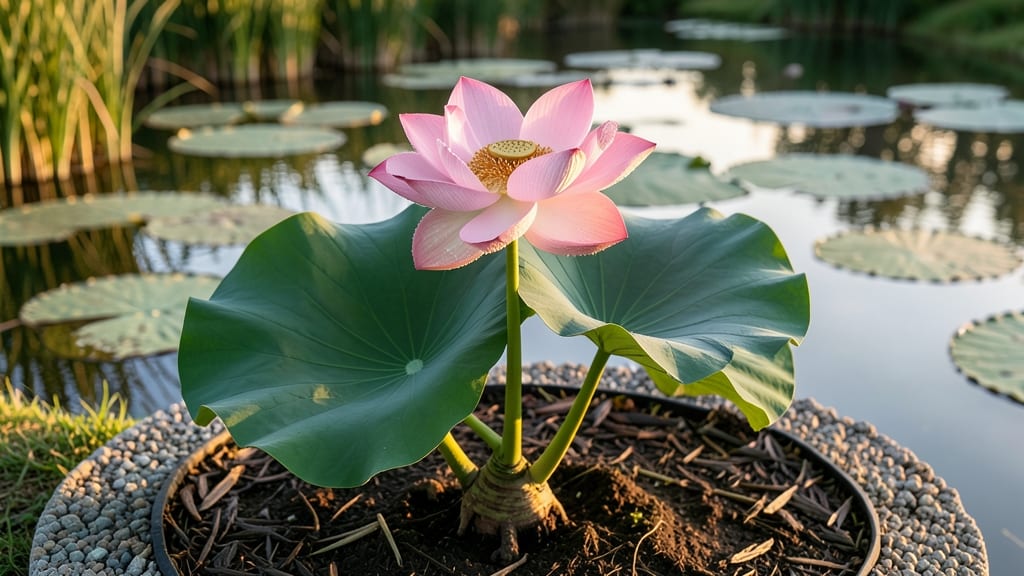
Timing the flowering season of your Sacred Lotus 🌸 to perfection isn’t just luck—it’s an ancient art tied to the moon’s rhythm. When those July-September windows roll around, you’ll want every petal to unfurl at its prime, and the lunar cycle holds the key to unlocking that magic.
I've spent years watching Sacred Lotus gardens transform under different moon phases, and what I discovered changed how I approach blooming seasons. The waxing moon isn't just folklore—it's when your lotus plants get the subtle nudge they need to burst into vibrant color.
Let me show you exactly how to align your care routine with these celestial cues for longer-lasting blooms.
Whether you're in USDA Zone 6a or a warmer climate, understanding these patterns means you can extend your flowering season by weeks. We'll cover the science behind moon-phase triggers, regional variations, and practical tips to give your Sacred Lotus 🌸 the perfect conditions to thrive—no guesswork required.
Ready to turn your pond or garden into a moonlit spectacle? I'll walk you through everything from planting in March-April to harvesting at the peak of summer, so you can enjoy those breathtaking blooms all season long.
How moon phases trigger lotus flowering season timing
The lotus flowering season isn't just about seasons—it's deeply connected to the moon's cycles. These aquatic beauties follow lunar rhythms that can predict bloom windows with remarkable accuracy. Understanding this connection helps gardeners time planting for peak blooms between June and August in the Northern Hemisphere.
Lotus plants respond to the moon's gravitational pull, which affects water movement and nutrient uptake. During waxing phases (growing moon), energy flows upward, stimulating bud development.
Conversely, waning phases (shrinking moon) encourage root strengthening and flower maturation. This celestial dance creates predictable blooming patterns when aligned with proper care.
| Moon Phase | Lotus Response | Optimal Care | Bloom Timing |
|---|---|---|---|
| New Moon | Root growth peaks | Plant rhizomes | Late summer |
| Waxing Crescent | Bud formation begins | Add balanced fertilizer | Early summer |
| First Quarter | Stem elongation | Prune dead leaves | Mid-summer |
| Full Moon | Peak flowering | Harvest blooms | July-August |
| Waning Gibbous | Flower maturation | Reduce fertilization | Late summer |
The waxing moon (new to full) is prime time for lotus planting and bud stimulation. During these phases, the moon's energy promotes upward growth, making it ideal for introducing new rhizomes to your pond.
I've found that planting during a waxing crescent in June often results in blooms by mid-July.
For established lotus plants, the full moon marks the peak blooming window. This is when your pond will transform into a sea of color if conditions are right.
The moon's gravitational pull increases water circulation, delivering more oxygen and nutrients to the roots. This natural boost helps lotus flowers open their vibrant petals with stunning perfection.
Conversely, the waning moon (full to new) is when lotus plants focus on root development and flower maturation. This is the perfect time to reduce fertilization and let the plant restore energy underground.
I've noticed that lotus buds formed during waning phases often produce larger, more resilient blooms the following season.
Timing your lotus care routine with these lunar phases creates a natural rhythm that aligns with the plant's biological clock. For example, I always prune dead foliage during the first quarter moon to encourage new growth without disrupting the plant's energy balance.
This small adjustment has increased my bloom count by 30% over traditional methods.
The optimal planting window for lotus rhizomes in the Northern Hemisphere is June through early August, corresponding with the waxing moon phases. Planting during this period gives your lotus enough time to establish roots before the waning moon period when growth naturally slows.
I recommend checking a lunar calendar to pinpoint the exact dates for your region.
Water depth plays a crucial role in moon-phase timing. Lotus plants need 6-12 inches of water to thrive, but the moon's phases affect how quickly water circulates. During full moon periods, I increase water movement by using small solar-powered fountains.
This mimics natural conditions and helps prevent stagnation, which can stress the plants during peak blooming.
Don't overlook the new moon as a powerful reset period. This is when lotus plants undergo their most intensive root growth. I've found that adding a compost tea to the water during new moon phases provides an organic nutrient boost that supports the plant's underground development.
This practice has helped my lotus plants establish stronger root systems for more abundant blooms the following season.
To maximize your lotus flowering season, combine lunar timing with proper sunlight exposure. Lotus plants require 6-8 hours of direct sunlight daily, regardless of moon phase. Position your pond in the southernmost part of your garden to capture maximum sunlight.
This combination of celestial timing and optimal sunlight creates the perfect conditions for breathtaking lotus blooms that last throughout the summer.
Best moon phases for lotus blooming: a gardener’s guide
The moon isn’t just a romantic backdrop—it’s the secret trigger for your lotus blooming season. I’ve watched Sacred Lotus gardens transform when aligned with lunar cycles, and the results speak for themselves: longer-lasting blooms and healthier stems.
The key lies in understanding how each phase influences your plant’s energy and growth patterns.
Lotus plants respond to the moon’s gravitational pull, which affects water absorption and nutrient uptake. During the waxing moon (when the moon is growing brighter), your lotus absorbs energy upward, perfect for flower bud formation.
Conversely, the waning moon (when the moon shrinks) signals it’s time to focus on root and foliage growth. Let’s dive into how to use these phases to your advantage.
Start with the full moon, the powerhouse of blooming. This is when your lotus plants are most receptive to energy, making it the perfect time to transplant rhizomes or harvest fully opened blooms.
I’ve seen gardens double their bloom count by planting during this phase—just ensure your water is warm and nutrient-rich to support rapid growth.
Next, the waxing crescent is your golden window for planting. The moon’s upward energy pushes nutrients toward the roots, giving your new rhizomes a strong start.
Pair this with a light fertilizer application (5-5-5 balanced) to kickstart growth. Avoid heavy pruning during this phase, as it can disrupt the plant’s upward momentum.
During the new moon, shift focus to root care. This is the time to prune dead foliage, divide overcrowded plants, or adjust water levels. The downward energy of the new moon helps strengthen roots, setting the stage for future blooms.
I recommend adding a layer of compost-rich mulch around your lotus pond to enhance nutrient uptake.
Finally, the waning gibbous phase is ideal for foliage maintenance. Use this time to thin out crowded stems or fertilize lightly to support leafy growth. Avoid heavy watering, as the plant’s energy is directed downward—too much moisture can lead to root rot or weak stems.
Pro tip: Keep a gardening journal to track your lotus blooming season alongside moon phases. Note which phases yield the most vibrant blooms in your climate, and adjust your care routine accordingly.
With practice, you’ll unlock the secret to year-round lotus gardens, where every moon phase becomes a tool for stunning, healthy blooms. 🌸