
Blooming
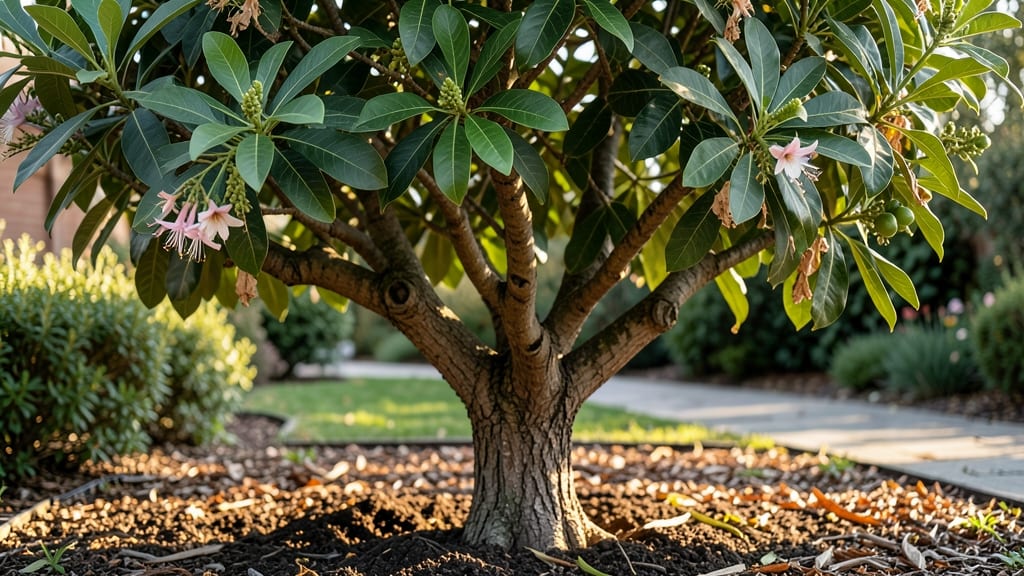
5 Distinct stages of mango flowering & what each means for fruit production
Understanding your mango tree's flowering stages is the key to unlocking a bountiful harvest. Each phase—from hidden buds to fruit set—demands specific conditions to ensure successful pollination and fruit development. Without proper care during these stages, your tree may produce aborted flowers or fail to set fruit entirely.
Let’s break down what happens at each critical moment and how you can optimize them for maximum yield.
Mango trees (Mangifera indica) are tropical powerhouses, but their flowering process is delicate. The timing and success of each stage depend heavily on your local climate, especially temperature and sunlight exposure.
In USDA Zones 10-12, flowering typically occurs in late winter or early spring, but container-grown trees in cooler regions may bloom later. Recognizing these stages early allows you to intervene with pollination support, nutrient adjustments, or even hand-pollination techniques if needed.
Why does this matter? Many gardeners assume their mango tree isn’t fruiting because it’s "not mature enough" or "needs more sun." While these factors play a role, the real issue often lies in missed opportunities during these five distinct flowering stages. Each stage presents a unique window where environmental or cultural interventions can make or break your fruit set.
The first stage, pre-flowering, begins months before you even see buds. Your mango tree is preparing by storing carbohydrates in its roots and branches. This is why fall fertilization with a balanced NPK (like 6-6-6) is critical—it ensures the tree has enough energy to produce flowers.
If your tree skips this stage, it’s often due to nutrient deficiencies (especially nitrogen or potassium) or stress from improper pruning. Avoid heavy pruning in the year leading up to flowering, as it diverts energy away from bud formation.
Once buds form, you’ll notice swollen leaf axils where flowers will emerge. This leads to stage 2: panicle emergence, where those iconic purple-red flower clusters appear. Here, humidity levels become critical—dry air can cause buds to drop before opening.
If you’re in a low-humidity climate, consider misting the tree lightly in the early morning or using a shade cloth to retain moisture. The goal is to keep relative humidity above 60% during this sensitive period.
Stage 3 is where things get interesting: male and female flowers differentiate. Mango flowers are hermaphroditic, meaning each flower has both male (stamens) and female (pistil) parts, but they don’t always function perfectly.
Some flowers may produce more pollen (male-biased), while others focus on receiving it (female-biased). This is why pollination efficiency varies so widely—nature isn’t always perfect.
If your tree lacks natural pollinators (like bees or bats), you may need to step in with hand-pollination using a small brush to transfer pollen between flowers.
The pollination window (stage 4) is the most time-sensitive phase. Flowers typically open in the early morning and wilt by afternoon, giving pollinators (or you) just a few hours to do their job. Ideal conditions include calm winds
How to optimize pollination for higher mango fruit set success
Mango trees rely on precise pollination to produce fruit, but their delicate flowers often struggle with natural pollinators or environmental factors. Even with perfect flowering stages, poor pollination can lead to low fruit set—meaning fewer mangoes on your tree.
The good news? You can actively boost pollination with simple techniques that mimic nature while compensating for its limitations.
First, understand that mango flowers are perfect but imperfect—they contain both male and female parts, yet often need external help to transfer pollen effectively. Without intervention, up to 70% of flowers may fail to set fruit.
By combining hand-pollination, pollinator attraction, and ideal growing conditions, you can dramatically improve your tree’s fruit production.
- 1 Timing: Pollinate during morning hours (6-10 AM) when flowers are open and pollen is fresh.
- 2 Tools: Use a soft paintbrush or cotton swab to transfer pollen between flowers.
- 3 Pollinators: Plant bee-friendly flowers (e.g., sunflower or bougainvillea) near your mango tree.
- 4 Weather: Avoid pollinating on windy days or after rain, which can wash away pollen.
- 5 Treatments: Apply boron spray (1-2 ppm) to improve fruit retention after pollination.
For hand-pollination, focus on the female flowers, which are slightly larger with a bulbous base. Gently collect pollen from male flowers (smaller, with long stamens) using a soft brush, then transfer it to the female flower’s stigma.
Repeat this process for 5-10 flowers per panicle to maximize success. This method works best during the first 24 hours after flowers open.
Attracting natural pollinators like bees and butterflies is equally important. Plant pollinator-friendly shrubs such as hibiscus or jasmine around your mango tree to create a pollinator corridor. Avoid pesticides during flowering, as they can harm these crucial helpers.
Even a small bee water station (a shallow dish with water and pebbles) can encourage pollinators to visit your tree regularly.
Weather plays a critical role in pollination success. Ideal conditions include warm temperatures (75-85°F), low humidity, and calm winds. Avoid pollinating after rain, as excess moisture can drown pollen or cause flowers to drop prematurely.
If your region experiences high humidity, consider using a fungicide spray (like copper-based solutions) to prevent anthracnose disease, which can devastate flowers.
Chemical treatments can further enhance fruit set. A boron spray (1-2 ppm) applied 7-10 days after pollination helps prevent fruit drop and improves retention rates. For trees with poor fruit set history, a calcium nitrate spray (0.5%) can strengthen cell walls and reduce physiological disorders.
Always follow label instructions to avoid overapplication, which can harm the tree.
Monitor your mango tree closely after pollination. Healthy fruit set will show as small green bumps on the branches within 2-3 weeks. If you notice excessive flower or fruit drop, revisit your pollination techniques or check for environmental stressors like nutrient deficiencies or pests.
With consistent effort, you can turn 70% of your flowers into fruit—instead of letting them go to waste.