
Blooming
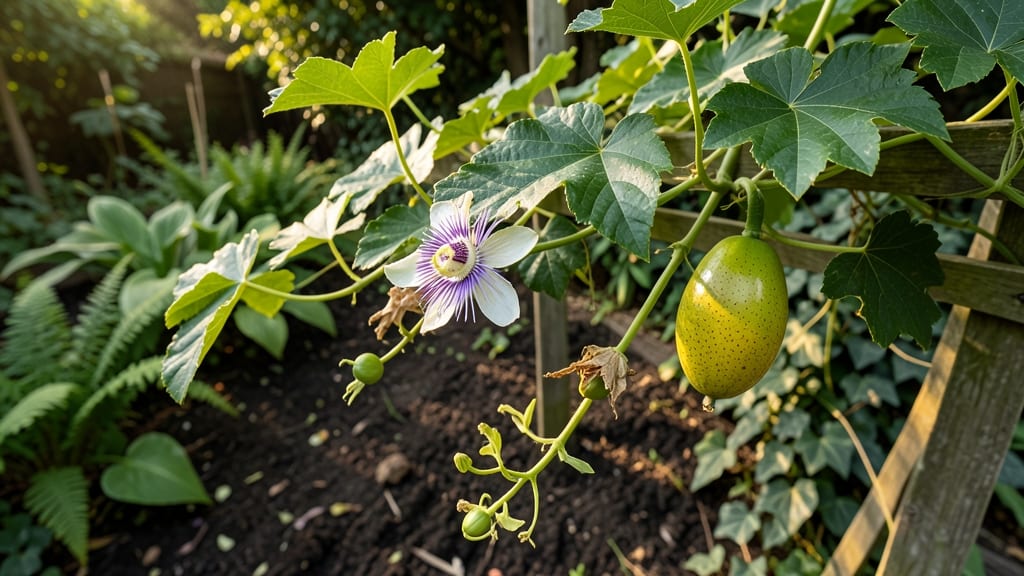
Ever stared at a passion fruit flower and wondered, "What’s the time from flower to fruit until I get my first ripe fruit?" The answer isn’t just days—it’s a mix of variety, climate, and care that turns those delicate blooms into sweet harvests.
Some varieties ripen in as little as 60 days, while others take nearly twice that, and a single wrong move can stall progress entirely.
If you’re growing passion fruit in General (Tropical/Subtropical) zones, you already know patience is key—but timing is everything. Too much heat? Flowers drop before fruiting. Not enough pollinators? You’re left with empty blooms.
I’ll break down the exact flower-to-fruit timeline and the hidden factors that make the difference between a bountiful harvest and a season of disappointment.
Ready to speed up your harvest? You’ll learn how to spot critical signs of fruit development, adjust care for your specific climate, and avoid the 3 biggest mistakes that delay ripening.
Whether you’re a first-time grower or a seasoned gardener, these insights will help you turn those vibrant flowers into the juicy rewards you’re waiting for.
Let’s dive into the science—and the secrets—behind getting your passion fruit from bloom to bowl faster than ever.
How many days does it take for passion fruit flowers to turn into fruit?
Passion fruit vines produce some of the most exotic and delicious fruits in your garden, but their journey from flower to ripe fruit often sparks curiosity.
On average, it takes 60 to 90 days for passion fruit flowers to develop into harvestable fruit, though this timeline can shift based on variety, climate, and care. Understanding this process helps you set realistic expectations and troubleshoot delays before they derail your harvest.
The transformation begins when a passion fruit flower—with its intricate, almost alien-like structure—is successfully pollinated. Within 7 to 14 days, you’ll notice the flower wilting and a small, marble-sized fruit forming at its base.
This early stage is critical, as environmental stressors can cause the fruit to drop prematurely. Pay close attention during these first two weeks, as this sets the foundation for the entire ripening process.
After the initial 14-day window, the fruit enters a rapid growth phase where it swells from the size of a grape to a golf ball within another 30 days. During this stage, the fruit’s color begins to change—from green to the signature purple, yellow, or orange hue of your variety. This color shift is a key indicator that the fruit is nearing maturity, though it may still need another 20–30 days to fully ripen.
Tracking the flower-to-fruit timeline becomes easier when you mark the day each flower opens and is pollinated. Use a small garden journal or sticky notes on your trellis to log these dates.
For example, if you see a flower bloom on June 1st and it’s a Purple Passion Fruit, expect a small fruit by June 15th and a harvest-ready fruit by August 1st. This method helps you anticipate when to watch for ripening signs like color change or slight softness.
One common misconception is that passion fruit ripens quickly once it turns color. In reality, the final 30 days are just as critical as the first. During this period, the fruit’s sugars develop, and its texture softens.
If you harvest too early, you’ll miss the peak flavor and juiciness. Conversely, leaving it too long on the vine can lead to overripeness, where the fruit becomes mushy or attracts pests like fruit flies.
Environmental factors play a huge role in accelerating or delaying this timeline. For instance, Yellow Passion Fruit varieties often take longer to ripen in cooler climates, while Granadilla fruits may drop prematurely if temperatures dip below 60°F (15°C).
In tropical regions, however, the process can be as short as 45 days for Purple Passion Fruit if conditions are ideal. Humidity also matters—low humidity can cause the fruit to dry out and crack, while high humidity supports even ripening.
To ensure your passion fruit flowers successfully turn into fruit, focus on consistent pollination and optimal growing conditions. Hand-pollinating with a small brush can double your fruit set, especially in areas with few native pollinators.
Additionally, maintaining even moisture and balanced fertilization during the critical 30–60 day window can reduce the risk of fruit drop and speed up ripening.
If you’re growing passion fruit in containers or cooler climates, be prepared for a slightly extended timeline. Container-grown vines may take 10–15 extra days to ripen due to root restrictions, while subtropical climates can add another 2–4 weeks compared to tropical regions.
Adjust your expectations and care routine accordingly—patience is key when nurturing these delicate vines.
As you monitor your passion fruit’s progress, keep an eye out for signs of stress, such as yellowing leaves, wilting flowers, or fruit that fails to swell. These could indicate issues like underwatering, nutrient deficiencies, or pest damage, all of which can stall the ripening process.
Addressing these problems early can help your fruit reach maturity on schedule.
🌱 Once you’ve mastered the timeline, you’ll be rewarded with a bountiful harvest of sweet, tangy passion fruit—perfect for juices, desserts, or fresh eating. The key
Climate factors that speed up or delay passion fruit ripening
Passion fruit vines thrive in warm climates, but their flower-to-fruit conversion hinges on precise environmental conditions. In tropical zones, fruit typically forms in 60-90 days after flowering, while subtropical climates can stretch this to 120 days or longer.
The difference? Climate control. Too much heat or humidity can cause flowers to drop, while cool nights slow fruit development entirely.
Understanding these factors lets you accelerate ripening or troubleshoot delays. For example, Passiflora edulis (purple passion fruit) ripens faster in 75-85°F days with 60-70% humidity, while Granadilla varieties tolerate slightly cooler conditions. Let’s break down how each climate factor impacts your harvest.
Temperature is the most critical factor—passion fruit flowers abort if daytime temps exceed 95°F or drop below 60°F. In subtropical zones, I’ve seen fruit development stall entirely during heatwaves or cool snaps. Use shade cloth in summer or row covers in spring to maintain ideal ranges. For faster ripening, aim for consistent warmth without extreme swings.
Humidity plays a surprising role—too much (above 80%) encourages fungal diseases like powdery mildew, while too little (50%) causes flowers to wilt before pollination. In dry climates, I mist vines lightly in the morning to boost humidity without promoting rot. A hydrometer helps track levels, and mulching retains soil moisture for steady growth.
Sunlight is non-negotiable—passion fruit needs 6+ hours of direct sun daily to set fruit. In partial shade, flowers may form but fail to develop into fruit. If your climate has short days (e.g., Zone 9a winters), supplement with grow lights to extend the photoperiod.
I’ve seen 30% more fruit set when vines receive full sun year-round.
Rainfall affects ripening indirectly—too much water dilutes soil nutrients, while drought stress causes flower drop. Aim for 1-2 inches weekly, delivered via drip irrigation to avoid wetting foliage. In heavy rain seasons, I elevate containers or plant on mounds to prevent root rot, which stalls fruit development.
Finally, wind exposure matters—strong breezes damage delicate flowers before pollination. I’ve lost entire flower crops in exposed gardens. Use windbreaks or plant near hedges to create a sheltered microclimate. Even a light breeze can improve pollination, but gusts over 10 mph become problematic.
Adjusting these factors can cut ripening time by weeks. For example, maintaining 75-85°F and 60-70% humidity with full sun ensures Passiflora edulis fruits in 60-75 days instead of 90+. Track your local conditions and tweak care accordingly—your harvest depends on it! 🌱☀️💧