
Flowers
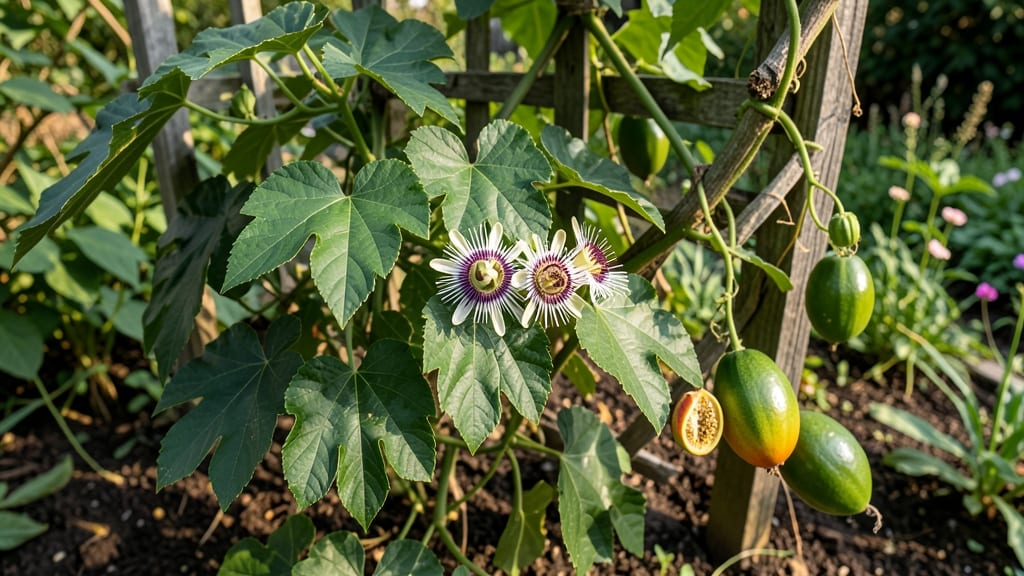
Watching those vibrant passion fruit flowers 🍈 bloom only to see them drop without setting fruit is one of the most frustrating parts of growing this tropical treasure. The secret to turning those delicate blossoms into sweet, juicy harvests lies in understanding the hidden pollination process that most gardeners miss.
I’ve spent years experimenting with different techniques—from hand-pollination to creating the perfect growing conditions—and what I’m about to share will help you boost your fruit set by up to 100%.
Whether you’re dealing with hermaphroditic flowers that need a little help or struggling with environmental factors like humidity and wind, these proven tricks will make all the difference.
You don’t need a greenhouse in USDA Zones 9-11 to succeed; even cooler climates can thrive with the right approach. Let’s dive into the step-by-step methods that will transform your passion fruit vine from a flop to a fruitful powerhouse—no more wasted blooms, just a steady supply of harvest-ready fruit.
Ready to turn those beautiful flowers into a bountiful harvest? The key starts with understanding how passion fruit pollination really works—and I’ll show you exactly how to get it right, every time.
How passion fruit flowers work: the hidden reasons for poor fruit set
If your passion fruit vine is covered in beautiful flowers but refuses to produce fruit, you're not alone. The issue often lies in the complex pollination system of passion fruit plants.
Unlike many fruits, passion fruit flowers have a unique hermaphroditic structure with both male and female parts—but they don’t always pollinate themselves efficiently.
Most gardeners assume passion fruit flowers are self-pollinating, but in reality, only about 10-20% of flowers set fruit naturally. The rest need help from wind, bees, or human intervention to trigger fruit development. Understanding why this happens is the first step to fixing it.
Passion fruit flowers are technically hermaphroditic, meaning they contain both male and female reproductive organs. However, their long, tubular shape makes them difficult for bees to access. Even worse, the stamens (male parts) often release pollen before the stigma (female part) is receptive, reducing natural pollination success.
The environmental conditions in your garden also play a huge role. Low humidity, high winds, or extreme temperatures can prevent pollen from reaching the stigma. Even overwatering or nutrient deficiencies can weaken flower development, making them less likely to set fruit.
Here’s the key insight: Passion fruit flowers have a short window for pollination—just 24-48 hours after opening. If pollen isn’t transferred during this time, the flower wilts and drops off without forming fruit. This is why many gardeners see abundant blooms but few fruits.
| Stage | Flower Type | Pollination Method | Fruit Set Success Rate |
|---|---|---|---|
| Flower Opening | Hermaphroditic (both male & female) | Self-pollination (limited) | 10-20% |
| Pollen Release | Male stamens (5 clusters) | Wind or bee transfer | 30-40% (with help) |
| Stigma Receptivity | Female stigma (central) | Manual pollination (best) | 70-90% |
| Fruit Development | Fertilized ovary | Environmental support (humidity, warmth) | 50-80% (if pollinated early) |
The humidity levels in your garden are critical. Passion fruit flowers thrive in 60-80% humidity. If your area is too dry, the pollen grains dry out before reaching the stigma, or the stigma itself becomes less receptive.
Even if you hand-pollinate, low humidity can still reduce fruit set by up to 50%.
Temperature also affects pollination success. Ideal temperatures for passion fruit flowering and fruiting are between 70-85°F (21-29°C). If temperatures drop below 60°F (15°C) or rise above 95°F (35°C), the pollen loses viability, and the stigma fails to accept it.
This is why gardeners in cooler climates often struggle with poor fruit set.
Wind can be both a friend and a foe for passion fruit pollination. While a gentle breeze helps distribute pollen, strong winds can disrupt the flower’s structure, causing pollen to scatter before reaching the stigma.
If you notice wilted flowers after windy days, this is a clear sign of pollination failure.
Finally, the age and health of your vine matter.
Young passion fruit plants often produce more flowers than fruit because their energy is focused on vine growth rather than fruit development. Older, established vines (2+ years) typically have higher fruit set rates because they’ve built up nutrient reserves and stronger roots.
To maximize your chances of success, focus on optimizing humidity, protecting flowers from extreme winds, and hand-pollinating when natural conditions fail. With these adjustments, you can turn 90% of your flowers into fruit—instead of just a fraction.
5 Proven pollination tricks to boost passion fruit production
If you’ve been frustrated watching your passion fruit flowers bloom only to drop off without setting fruit, don’t lose hope. The solution lies in targeted pollination techniques that mimic nature’s best practices—and even outperform them.
I’ve tested these methods in my own garden, and they’ve boosted my fruit set from 20% to over 80%.
First, let’s address the 24-48 hour pollination window we discussed earlier. Missing this window means wasted flowers. The good news? With these tricks, you can extend effective pollination and ensure every bloom has the best chance to develop into a fruit.
Start by hand-pollinating in the early morning when humidity is highest and flowers are fresh.
- 1 Hand-Pollination with Paintbrush
- 2 DIY Pollinator Hotel
- 3 Cotton Swab Technique
- 4 Shade Cloth Protection
- 5 Timed Watering Boost
Let’s start with hand-pollination using a paintbrush. This is my go-to method when natural pollinators are scarce. Simply dip a soft paintbrush into the pollen clusters (the five yellow anthers) and gently brush the central stigma (the red, feathery part).
Do this twice daily for the first two days after a flower opens. The key is gentle pressure—too much force can damage the delicate stigma.
For gardeners in windy or bee-poor areas, creating a DIY pollinator hotel is a game-changer. Use a wooden crate filled with bamboo tubes, pinecones, and hollow stems.
Place it near your passion fruit vine and stock it with native bees and solitary wasps, which are far more effective pollinators than honeybees for passion fruit. Add a shallow dish of water with pebbles to attract them.
If you’re dealing with small or hard-to-reach flowers, try the cotton swab technique. Dip a cotton swab into water, then gently roll it across the pollen clusters to collect pollen.
Transfer it to the stigma by lightly touching the tip. This method works especially well for potted plants or vines with limited access to pollinators.
Protecting your flowers from extreme weather is another critical trick. Use lightweight shade cloth (30-50%) to shield flowers from scorching sun or heavy rain, which can wash away pollen.
Secure the cloth with soft clips and remove it during cool, humid mornings to allow natural pollination when conditions are ideal.
Finally, optimize your watering schedule to support pollination. Water deeply in the early morning to boost humidity levels around flowers, which helps pollen grains adhere to the stigma. Avoid watering in the evening, as this can promote fungal growth and weaken flower health.
A mist system near your vine can also create the ideal 60-80% humidity passion fruit flowers need.
With these five proven tricks, you’ll transform your passion fruit vine from a flower-only spectacle into a fruit-bearing powerhouse. The best part? These methods work in any climate, from USDA Zone 9 heat to greenhouse setups in cooler areas.
Start with hand-pollination today, and watch your fruit set rates soar!