
Flowers
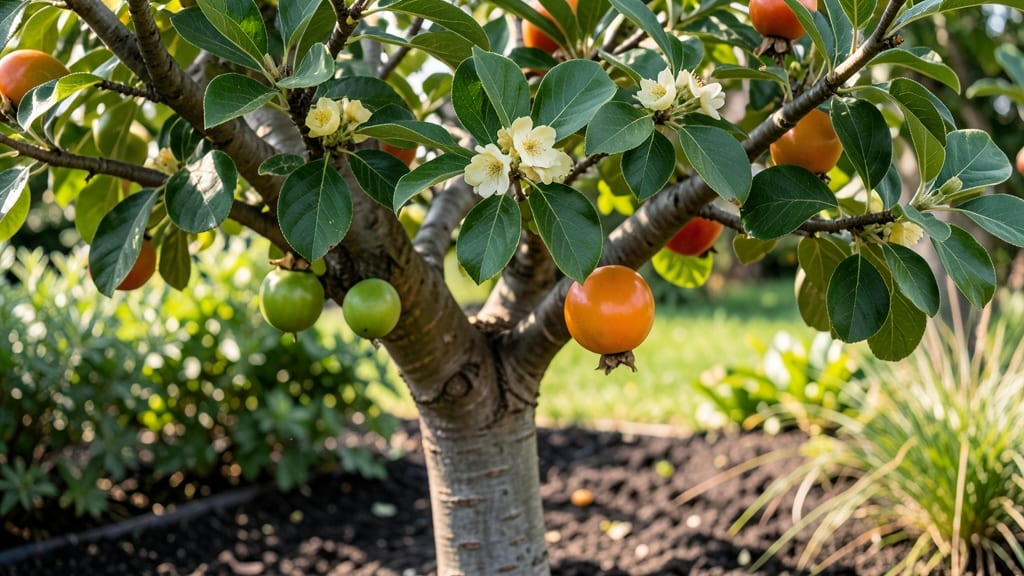
Transforming a persimmon flower into a ripe fruit is like watching nature’s own slow-motion magic unfold—but without the right conditions, that magic can fizzle out before harvest.
Whether you’re growing the sweet, non-astringent Fuyu or the classic Hachiya, understanding the delicate dance between pollination and fruit development is the key to a successful harvest.
From the first blush of spring blooms to the deep orange hues of fall, each stage of a persimmon’s growth depends on precise timing, the right pollinators, and even the whims of weather.
In USDA Zone 6a, where frost can sneak in unexpectedly, knowing when to expect blossoms (April–May) and how to protect them sets the stage for a fruitful season.
What most gardeners don’t realize is that persimmons are finicky about pollination—some varieties need bees, others rely on wind, and a few might even need a little help from you.
Throw in soil pH quirks, pruning mistakes, or a sudden heatwave, and suddenly, your tree is dropping blossoms instead of bearing fruit.
In this guide, I’ll walk you through every step—from the moment those 🍈 flowers open to the day you pluck a perfectly ripe persimmon—so you can troubleshoot problems before they happen and end up with a tree heavy with harvest-ready fruit.
Persimmon flowering stages: pollination secrets for fruit development
Understanding how persimmon flowers develop into fruit is the secret to a productive harvest. These trees produce two distinct flower types: male and female, each playing a crucial role in pollination. The male flowers release pollen, while female flowers must receive it to form fruit.
This delicate process is influenced by temperature, humidity, and pollinators, making it essential to create optimal conditions for success.
Most persimmon varieties are dioecious, meaning male and female flowers grow on separate trees. This means you’ll need at least one male tree for every 6–10 female trees to ensure proper cross-pollination.
Some varieties, like Fuyu, are parthenocarpic (producing fruit without pollination), but these are exceptions. For the majority of growers, understanding the pollination timeline is key to avoiding empty blossoms and poor fruit set.
| Flower Type | Pollen Production | Fruit Development | Pollination Method | Best Conditions |
|---|---|---|---|---|
| Male Flowers | High (releases pollen) | None (sterile) | Wind, Bees | Warm, dry days |
| Female Flowers | None (receptive) | Requires pollen | Bees, Hand-pollination | Humidity 50-70% |
| Parthenocarpic (e.g., Fuyu) | N/A | No pollination needed | Self-pollinating | Consistent warmth |
The pollination window for persimmons typically opens in late spring, around May, when temperatures consistently reach 60°F or higher.
During this time, male flowers release pollen, which must reach female flowers for fertilization. Bees are the primary pollinators, but wind can also play a role, especially in dioecious varieties.
If you notice low bee activity or poor weather conditions, consider hand-pollinating by gently transferring pollen from male to female flowers using a small brush.
Environmental factors like humidity and temperature significantly impact pollination success. High humidity can hinder bee activity, while extreme heat or cold may delay flowering. Aim for 50-70% humidity and 70-85°F temperatures during the flowering stage. If your region experiences unpredictable weather, provide shade cloth to protect blossoms from rain or excessive heat, which can cause blossom drop.
Once pollination occurs, female flowers will develop into small, pea-sized fruit within 2-3 weeks. This is when fruit set begins, and the real work of growing begins. However, poor pollination or environmental stress can lead to blossom drop, where unfertilized flowers fall off the tree.
To mitigate this, ensure your trees are well-watered, fertilized with a balanced NPK fertilizer, and protected from pests like aphids, which can disrupt pollination.
For hand-pollination, time your efforts during the early morning when flowers are fully open and pollen is most viable. Use a soft paintbrush to collect pollen from male flowers and gently apply it to the stigma of female flowers.
This method is especially useful in greenhouse settings or areas with limited bee activity. Repeat this process every 2-3 days during the flowering period to maximize fruit set.
If you’re growing astringent varieties like Hachiya, successful pollination is critical, as these persimmons require full ripening on the tree. In contrast, non-astringent varieties like Fuyu can be harvested firmer and ripen off the tree.
Regardless of variety, monitoring fruit development early on helps identify potential issues, such as poor coloration or uneven sizing, which may indicate nutrient deficiencies or pollination failures.
Troubleshooting poor fruit development often starts with assessing your pollination success. If you see many dropped blossoms or small, underdeveloped fruit, it’s a sign that pollination may have failed.
Check for male trees nearby (if dioecious) and ensure bees or wind had access. If hand-pollination was attempted, verify that pollen was properly transferred. Additionally, thin fruit if
Month-by-month fruit growth timeline: from bloom to harvest readiness
Once your persimmon tree has successfully pollinated its flowers, the real magic begins in the fruit development stage. This process spans 5-7 months, with each month bringing distinct changes in size, color, and texture that signal progress toward harvest.
In USDA Zone 6a, where early frosts can threaten young fruit, tracking these milestones helps you predict harvest dates and intervene if growth stalls.
For Fuyu varieties, fruit matures faster (around 180-210 days), while Hachiya persimmons take longer (up to 240 days). Understanding these timelines lets you adjust care—like watering or pruning—to match your variety’s needs.
Below, I’ll break down each month’s key indicators so you can track progress and troubleshoot issues early.
In July, persimmon fruits enter their most vulnerable phase as they rapidly expand. This is when you’ll notice them growing from tiny marbles to 1-2 inch orbs, but watch for fruit fly damage—those pesky insects lay eggs in softening fruit.
If you spot tiny holes or sawdust-like frass, cover the tree with fine mesh netting immediately. During this stage, I also recommend hand-pollinating any remaining flowers if your tree is in a low-bee area, as missed pollination can lead to uneven fruit set.
By August, color becomes your best friend for tracking progress. Fuyu varieties will start showing orange blushes, while Hachiya fruits remain green-yellow but firm up. This is when you should reduce watering slightly—overly wet soil can cause fruits to split as they grow.
I’ve found that mulching with straw or wood chips helps maintain even moisture without overwatering, which is critical for preventing cracks that invite rot.
Come September, the real excitement begins as fruits near harvest readiness. For Fuyu persimmons, this is when they’ll turn fully orange and soften slightly when pressed with your thumb—a telltale sign they’re nearing peak ripeness. Hachiya varieties, however, stay firm but develop deeper color.
If you’re in a cooler climate, like Zone 6a, protect your tree with frost cloth to safeguard late-season fruit. This is also the time to test fruit firmness weekly—if it yields too easily, it may be overripe and prone to spoilage.
The final stretch in October is all about timing. Fuyu persimmons are ready when they’re plump, soft, and sweet-smelling, while Hachiya must be fully mushy and the calyx (stem end) should dry and separate from the fruit.
Harvest before the first frost, or risk losing your crop to cold damage. I like to pick fruits early in the morning when they’re cool and store them in a paper bag at room temperature to ripen further—this mimics the natural ethylene release that happens on the tree.