
Shrubs
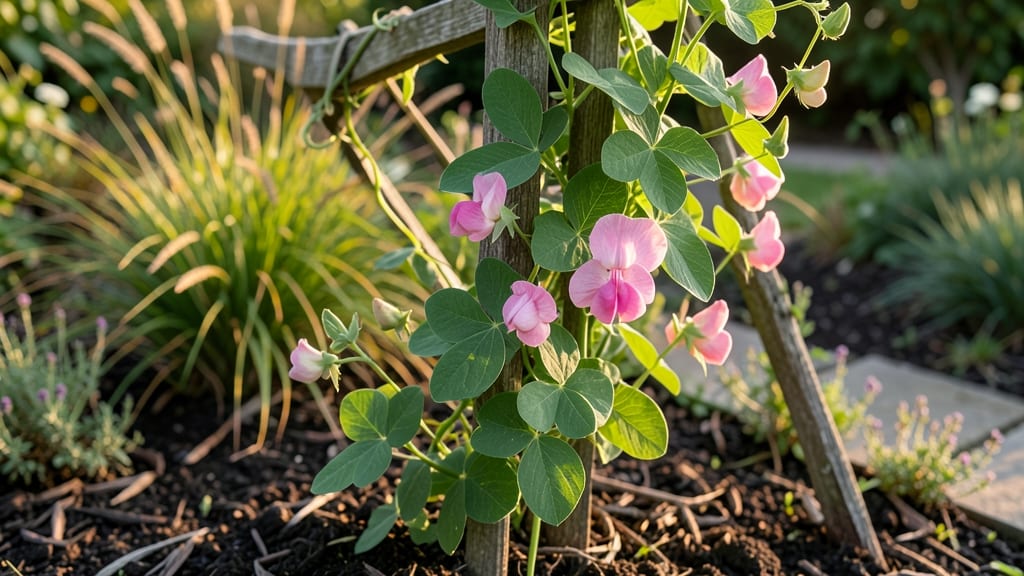
If your pink flowering peach tree 🌸 looks like it’s throwing a one-season party instead of a year-round celebration, you’re not alone. Most gardeners miss the simple pruning tricks that transform these trees into nonstop blooming powerhouses—without the fuss of fruit production.
Here’s the secret: strategic cuts at the right time encourage more flowers, not fewer. I’ll show you exactly when to prune, which tools to use, and how to avoid the mistakes that leave your tree looking ragged.
Whether you’re a first-time gardener or a seasoned pro, these tips will keep your pink peach tree in full, vibrant bloom for seasons to come.
Think of pruning as a conversation with your tree—listen to its growth patterns, and it’ll reward you with lush, continuous pink blossoms that turn heads in any landscape. No more sparse branches or missed opportunities; just a well-timed trim and a tree that performs like a showstopper.
Ready to unlock the full potential of your flowering peach? Let’s dive into the game-changing techniques that’ll have your tree looking (and blooming) like a pro in no time.
When and how to prune pink flowering peach trees for maximum blooms
Pruning your pink flowering peach tree isn’t just about shaping its branches—it’s about unlocking its full blooming potential. Unlike fruit-bearing peaches, these ornamental varieties focus energy on showy pink blossoms rather than fruit.
The key? Pruning at the right times and using the right techniques to encourage continuous flowering while maintaining tree health.
Most gardeners make the mistake of pruning at the wrong time, often cutting back too late in the season or using improper techniques that reduce flower production.
I’ve learned through trial and error that timing is everything—winter and late summer are your golden opportunities to shape growth and set the stage for next year’s blooms.
Let’s break down the seasonal pruning schedule and step-by-step methods to maximize those stunning pink flowers year after year. Whether you’re dealing with a young sapling or a mature tree, these techniques will keep your flowering peach looking its best.
Step-by-Step Pruning Guide for Pink Flowering Peach Trees
One of the biggest mistakes I see is pruning too late in the season, which can leave your tree vulnerable to winter damage or reduced flowering.
For example, cutting back branches in April might seem harmless, but it can signal the tree to focus on new growth instead of preparing for its spring bloom.
Another critical tip: Never remove more than 1/3 of the tree’s canopy in a single season. This can stress the tree and lead to poor recovery or even death. Instead, spread out pruning over multiple years if needed, focusing on gradual shaping and health maintenance.
Pay close attention to the branch structure of your flowering peach. These trees naturally grow with a central leader (main upright branch) and scaffold branches that form the framework. Prune to maintain this structure—remove branches that grow inward or rub against each other to prevent wound infections.
If your tree isn’t blooming as much as you’d like, it might be time to reassess your pruning habits. Over-pruning in summer or neglecting winter cuts can both lead to reduced flower production.
The goal is to strike a balance—encourage new growth while preserving the existing flowering framework.
Pro tip: Use a sharp bypass pruner for clean cuts, and always cut just outside the branch collar (the swollen area where the branch meets the trunk). This promotes faster healing and reduces the risk of disease entry points. A clean cut is a healthy cut!
Finally, keep an eye out for water sprouts—those fast-growing, vertical shoots that pop up in the center of the tree. These compete with flowering branches for energy. Remove them as soon as you spot them to redirect the tree’s resources toward pink blossoms instead.
With these techniques, your pink flowering peach tree will reward you with vibrant, continuous blooms that turn your garden into a springtime spectacle. Happy pruning!
Best pruning tools and techniques for pink flowering peach trees
Choosing the right pruning tools makes all the difference when shaping your pink flowering peach tree. Unlike fruit-bearing varieties, these ornamental trees need precise cuts to encourage continuous blooms rather than fruit production.
I’ve tested the best tools and techniques to keep your tree healthy and bursting with vibrant pink flowers year-round.
The wrong tool can damage branches or invite disease, so let’s start with the essentials. Your toolkit should include bypass pruners, loppers, and a pruning saw—each designed for specific branch sizes.
For example, bypass pruners handle small branches up to ½ inch thick, while loppers tackle thicker branches up to 2 inches. The pruning saw is your heavy-duty option for branches over 2 inches.
| Tool | Best For | Branch Size | Key Technique |
|---|---|---|---|
| Bypass Pruners | Small branches, shaping | Up to ½ inch | Thinning cuts for airflow |
| Loppers | Medium branches, deadwood | ½ to 2 inches | Heading cuts to redirect growth |
| Pruning Saw | Large branches, structural cuts | Over 2 inches | Thinning cuts to open canopy |
Now, let’s talk about pruning techniques. The two most effective methods for pink flowering peaches are thinning cuts and heading cuts. Thinning cuts remove entire branches back to their origin, improving airflow and reducing disease risk.
Heading cuts, on the other hand, trim the tips of branches to encourage bushier growth and more blooms. For your tree, I recommend a 70/30 ratio—70% thinning cuts and 30% heading cuts—to maintain a balanced shape while maximizing flowers.
Timing is everything when it comes to pruning. For pink flowering peach trees, late winter or early spring—just before buds swell—is ideal. This timing ensures your tree has time to heal before the growing season kicks in.
Avoid pruning during fall or summer, as these periods can stress the tree or invite pests. If you must prune in summer, do so lightly and only to remove dead or diseased branches.
One common mistake I see is over-pruning, which can weaken the tree or reduce next year’s blooms. Aim to remove no more than 25% of the tree’s canopy in a single session.
Also, always make cuts at a 45-degree angle just above a bud or branch collar to promote faster healing. Sterilize your tools with rubbing alcohol between cuts to prevent the spread of disease—this is especially important for trees prone to bacterial infections.
With the right tools and techniques, your pink flowering peach tree will reward you with year-round blooms and a sturdy, healthy structure. Start with a clean toolkit, plan your cuts carefully, and watch your tree transform into a showstopper. Happy pruning!