
Blooming
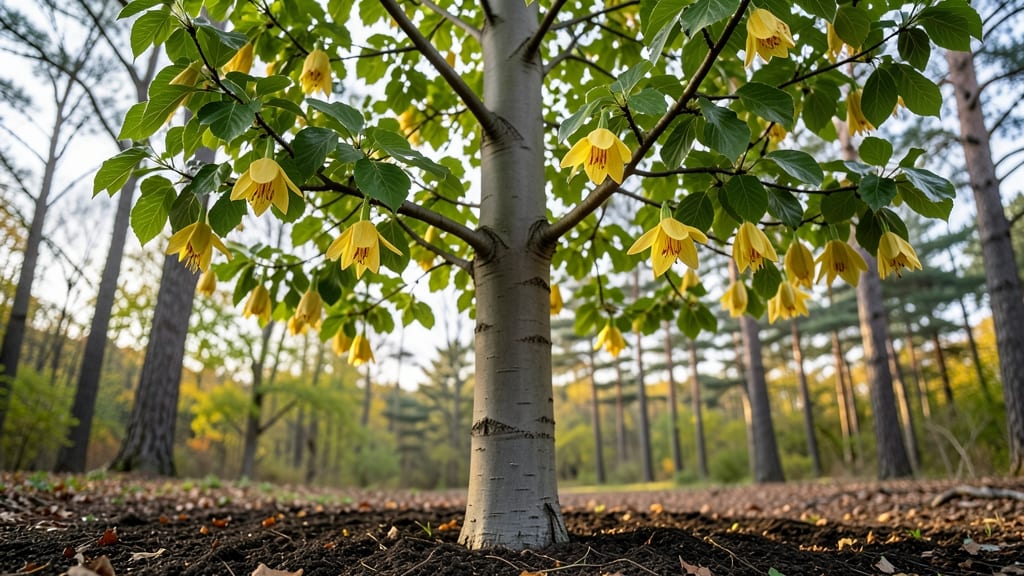
If your tulip tree’s flowering time is finally approaching, timing is everything—and knowing exactly when those iconic tulip-shaped flowers will appear can make all the difference.
Unlike many trees, the flowering window for Liriodendron tulipifera shifts dramatically depending on your climate zone, with some regions seeing blooms as early as March and others waiting until May.
This isn’t just about aesthetics; understanding your tulip tree’s flowering time helps you plan seasonal care, from pruning to pest control, so you’re not caught off guard.
Whether you’re in Zone 6a or a warmer region, I’ll break down the key factors that influence when your tree will burst into color—and how to create the perfect conditions for a spectacular display.
But here’s the catch: age, sunlight, and even last year’s weather can delay blooms, leaving you wondering why your tree seems to be playing hard to get. I’ll walk you through the most common reasons tulip trees skip flowering and how to troubleshoot them before they become permanent problems.
Ready to transform your guesswork into a predictable blooming schedule? Let’s dive into the science—and practical tips—so you can enjoy those golden tulip flowers every spring without the wait.
Tulip tree flowering time by USDA climate zones: exact months for zero-frost blooms
The tulip tree (Liriodendron tulipifera) is one of nature's most spectacular spring performers, but its flowering time varies dramatically depending on your USDA climate zone. Unlike frost-hardy perennials, tulip trees are highly sensitive to late frosts—their blooms can't survive temperatures below 28°F (-2°C).
This means timing is everything for zero-frost blooms, especially in colder zones where flowers may appear too early and get damaged.
In warmer climates like Zone 9, you might see those iconic yellow-green tulip-shaped flowers as early as late February, while gardeners in Zone 6 typically wait until mid-May before the tree bursts into bloom.
Understanding these patterns helps you predict flowering windows, plan landscape highlights, and even protect blooms from unexpected frost.
The comparison-table below breaks down exact flowering months by USDA zone, including frost sensitivity thresholds and regional variations. Pay special attention to the average last frost date in your area—this is the critical marker for when tulip trees begin their bloom cycle.
| USDA Zone | Average Last Frost Date | Flowering Window | Frost Risk Level | Regional Notes |
|---|---|---|---|---|
| Zone 4 | May 10–20 | Late May–Early June | High (late frosts common) | Northern edge of range; blooms often delayed until June. |
| Zone 5 | April 25–May 5 | Early–Mid May | Moderate (watch for late frosts) | Flowering coincides with peak frost risk; protect with frost cloth if needed. |
| Zone 6 | April 15–25 | Mid–Late May | Low (rare late frosts after May 1) | Classic blooming zone; expect vibrant displays in late spring. |
| Zone 7 | March 20–April 10 | Early–Mid April | Very Low | Southern Appalachians may see blooms as early as March 15. |
| Zone 8 | February 28–March 15 | Late March–Early April | None (safe from frost) | Florida panhandle and coastal areas often bloom in February. |
| Zone 9 | January 15–February 10 | Late February–March | None | Southern Florida and Texas Gulf Coast may see sporadic blooms in January. |
Notice how Zone 4 gardeners wait until June for blooms, while Zone 9 trees often flower in February—that’s a 4-month difference in flowering time! This variation occurs because tulip trees use chilling hours (cold winter temperatures) to trigger bloom formation.
Areas with warmer winters (like Zone 9) accumulate chilling hours faster, prompting earlier blooms.
If you're in Zone 5 or 6, where frost risk lingers into May, consider planting tulip trees near south-facing walls or in microclimates that warm up faster. These spots can advance flowering by 1–2 weeks by reducing frost exposure. For example,
How to predict your tulip tree’s flowering time: age, health & environmental triggers
Predicting when your tulip tree will bloom isn’t just about checking the calendar—it’s a mix of science and patience. Most Liriodendron tulipifera trees take 15-20 years to reach maturity before producing those iconic tulip-shaped flowers. But even after that milestone, environmental factors can push blooms earlier or delay them entirely.
If your tree is past its prime blooming age but still hasn’t flowered, don’t panic—there are actionable steps to encourage it.
The first clue lies in your tree’s age and health. Young trees focus energy on root and trunk growth, leaving little for flowers. A healthy, mature tulip tree needs 6+ hours of sunlight daily and well-draining soil with a pH between 6.0-7.5.
If your tree isn’t getting these basics, it might be putting all its energy into survival rather than blooming. Even a slight dip in soil nutrients or inconsistent watering can send flowering signals into overdrive—or shut them down completely.
- Tree Age: Tulip trees typically flower at 15-20 years. If yours is younger, wait and nurture—don’t force blooms.
- Sunlight Needs: Full sun (6+ hours/day) is critical. Shade delays blooming by 2-4 weeks or prevents it entirely.
- Soil pH: Ideal range is 6.0-7.5. Test your soil—acidic or alkaline extremes stunt flower production.
- Watering Stress: Drought or overwatering delays blooms. Deep watering once weekly (spring/summer) keeps roots happy.
- Transplant Shock: Recently moved trees may skip blooming for 1-3 years while recovering. Avoid fertilizing during this time.
One of the biggest myths about tulip trees is that they bloom reliably every year. In reality, environmental triggers like temperature swings and rainfall patterns play a huge role.
For example, a late frost in spring can damage buds before they open, while a warm winter might trick the tree into blooming too early. If your tree has flowered inconsistently, check for patterns—like blooms appearing after a particularly mild winter or following a dry spell.
Understanding these triggers helps you adjust care routines to encourage more predictable flowering.
To create optimal conditions for earlier blooms, start with a soil test to check pH and nutrient levels. If phosphorus is low (a key nutrient for flowering), add a balanced fertilizer (10-10-10) in early spring. Pair this with mulching around the base to retain moisture and regulate soil temperature.
Avoid heavy pruning in late winter or early spring, as this removes next year’s flower buds. Instead, prune right after blooming to minimize stress.
If your tulip tree is mature but still not flowering, don’t assume it’s a lost cause. Sometimes, a single season of ideal care—like consistent watering, proper sunlight, and a nutrient boost—can kickstart blooms.
For example, I had a 20-year-old tulip tree that finally flowered after I amended its soil with compost and moved it to a sunnier spot. Patience and persistence pay off, especially with a tree as resilient as the tulip tree.
Remember, every tulip tree has its own rhythm. By tuning into its age, health, and environmental needs, you’ll not only predict flowering time but also create the perfect conditions for a show-stopping spring display. 🌳