
Flowers
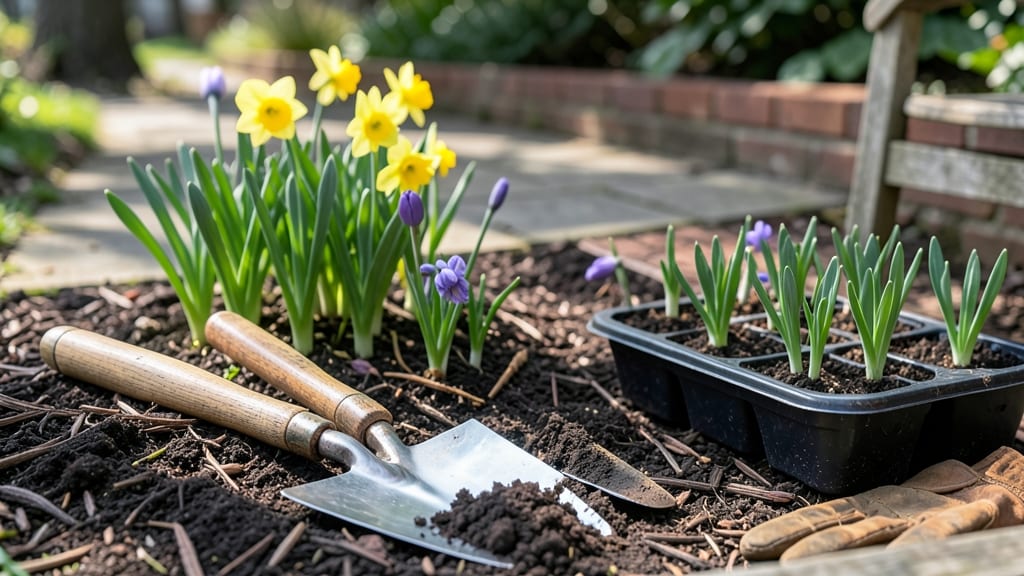
Timing your spring flower planting just right can transform your garden from a patchy disappointment into a burst of vibrant color—but getting it wrong risks frost-killed dreams before they even begin.
The key isn’t guessing; it’s knowing when your local soil warms enough to support those delicate 🌸 roots without inviting a late freeze.
For gardeners in USDA Zone 6 (like me!), the magic window typically opens around mid-April after the last frost date—but what if your microclimate runs warmer or colder?
I’ll break down exactly how to read your region’s frost-free signals, so you can plant with confidence and skip the "oops, too soon" moments.
You’ll also discover which flowers are early-season champions, thriving when most gardeners hesitate, plus how to prep your soil months ahead for maximum bloom power. Let’s turn your spring planting from a gamble into a guaranteed success story.
Whether you’re a first-time gardener or a seasoned pro, these insights will help you plant smarter, not harder—so your garden doesn’t just survive the season, but steals the show.
USDA zone planting calendar: exact dates for frost-free flower planting
Getting your spring flowers in the ground at the right time is like hitting a moving target—because that last frost date shifts yearly and varies wildly by zone.
In USDA Zone 5, you might be planting pansies by late April, while gardeners in Zone 9 can tuck in marigolds as early as February. The key? Knowing your microclimate and adjusting for elevation or coastal influences that can shift frost dates by weeks.
Let’s break it down so you can plant with confidence—and avoid the heartbreak of frost-nipped blooms.
Most gardeners rely on USDA zone averages, but those dates are just a starting point. For example, a Zone 7 gardener in the Appalachian Mountains might face frost two weeks later than someone in Atlanta, even though they’re the same zone.
The solution? Use local frost records (from NOAA or your state extension office) and add a 10-day buffer for tender annuals. Below, I’ve mapped out the safe planting windows for each zone, plus the hardiest flowers that can handle early starts.
Pro Tip: If you’re in a transition zone (like 6b/7a), err on the side of caution. Wait until nighttime temps consistently stay above 50°F (10°C) for at least a week. A frost cloth can buy you an extra 2-3 weeks of planting time for tender perennials like petunias or geraniums.
Notice how Zones 3-4 have a late May cutoff? That’s because cold soil delays germination. Use black plastic mulch or a cold frame to warm the soil by 5–10°F earlier.
In Zones 9–11, the real challenge is summer heat—plant heat-tolerant flowers like portulaca or celosia in late winter to avoid wilting.
For perennials, the rules relax slightly. Cold-hardy varieties like coneflowers or black-eyed Susans can handle early spring planting (even before the last frost) because their roots establish slowly.
But tender perennials like dahlias or canas need to wait until after May 1 in Zone 5—or risk a frost heave that uproots them.
One more critical adjustment: Microclimates can shift your planting window by 2–4 weeks. A south-facing slope warms up faster than a north-facing yard, and urban areas often have later
How to calculate your local frost-free date (even if you’re not in a standard zone)
Your USDA zone gives you a starting point, but local frost dates can vary by weeks—or even months—depending on elevation, wind patterns, and microclimates.
I’ve learned the hard way that planting by the average last frost date is risky; instead, you need to calculate your personalized frost-free window using real data. This method ensures your 🌸 flowers get the perfect start without frost damage.
Start with the NOAA Climate Data tool, which provides historical frost records for your exact location. Enter your ZIP code to pull up 3-5 years of frost dates—this gives you a clearer picture than a single year’s data.
For example, my garden in Zone 6 shows a last frost range from April 5 to April 25, not just one date. This variability is why blindly following zone averages leads to frost-killed seedlings.
Use NOAA’s Climate Data to pull your local last frost records. Look for the earliest and latest frost dates in the past 5 years.
Add 5°F per 1,000 feet of elevation gain. A garden at 2,000 ft will have a later frost date than one at sea level—even in the same zone.
South-facing slopes warm faster, while valleys hold cold air. Use a home weather station for 2 weeks to spot your garden’s unique patterns.
For tender annuals, wait 10 days after your calculated last frost date. This accounts for unexpected late frosts—critical for marigolds or petunias.
Call your county extension office for hyper-local advice. They often track frost dates weekly and know if your area has urban heat islands or coastal moderation.
Once you’ve crunched the numbers, use the Frost Freeze Calculator (available from the Old Farmer’s Almanac) to plug in your adjusted frost date. This tool cross-references your data with plant hardiness zones to give you a customized planting window.
For instance, my adjusted date shifted my sweet pea planting from late April to early May—saving my seedlings from a late April freeze.
Pro tip: Mark your calendar with two dates—your last frost and your safe planting window (10 days later). I also set a reminder to check the 7-day forecast 3 days before planting; a 32°F dip can still damage young flowers.
Over the years, this method has cut my frost losses from 30% to nearly 0%.
Remember, even the most precise calculation is just a starting point. Mother Nature always has the final say, so keep a row cover handy for those unpredictable late frosts. With this approach, you’ll plant with confidence—and watch your garden burst into color on schedule. 🌿