
Blooming
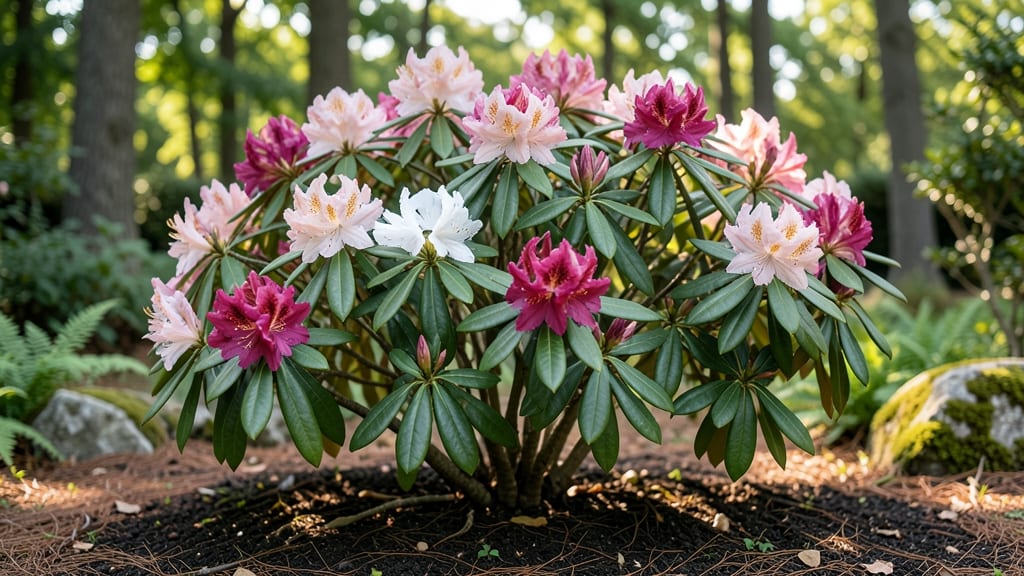
If your rhododendron flowering period feels like a mystery—sometimes early, sometimes late—you're not alone. These stunning 🌸 shrubs thrive on timing, and understanding their bloom schedule can mean the difference between a showstopper garden and a missed season.
In USDA Zone 6, where I garden, rhododendrons typically burst into color between late April and early May, but climate, variety, and even last year’s care can shift that window.
What most gardeners don’t realize is that a few simple adjustments—like soil acidity or strategic pruning—can help you extend that flowering period by weeks. Whether you’re dealing with a late-blooming Catawbiense or an early Azalea hybrid, knowing the right triggers makes all the difference.
Let’s break down exactly how to sync your rhododendron’s bloom with your garden’s peak season.
The key to a longer, more vibrant display starts with recognizing your plant’s natural rhythm. Some varieties, like the Pink Pearl, bloom in late winter, while others wait until June.
By aligning your care routine with these patterns—watering deeply in spring, avoiding heavy pruning after blooms fade—you can coax your rhododendron to perform at its best. Ready to unlock the secrets to a breathtaking spring show?
In this guide, I’ll share the exact timing for your zone, plus proven tips to push blooms earlier or later. Whether you’re troubleshooting a sparse display or just want to maximize your rhododendron’s potential, you’ll leave here with a clear plan to transform your garden’s seasonal highlights.
Rhododendron flowering period by USDA climate zones: exact months for peak blooms
If you’ve ever wondered why your rhododendron blooms in May while your neighbor’s bursts into color in April, the answer lies in your USDA climate zone. These stunning shrubs thrive across zones 4-9, but their flowering periods shift dramatically based on temperature and frost patterns.
Understanding these exact bloom windows helps you plan for seasonal color and avoid disappointment when buds fail to open.
Rhododendrons are spring bloomers in most zones, but cooler climates (like Zone 4) may see early late-winter blooms, while warmer zones (like Zone 9) often enjoy fall reblooming.
The key? Variety selection and microclimates can shift bloom times by 2-4 weeks. Let’s break down the peak flowering months by zone so you can time your garden’s showstopping displays perfectly.
In Zones 4-5, where winters are harsh, rhododendrons like 'Nova Zembla' or 'PJM' often bloom in late April to escape early frosts. These early bloomers rely on chilling hours (below 45°F) to trigger buds, so planting in sheltered microclimates can push blooms 1-2 weeks earlier.
Gardeners in Zones 6-7 enjoy the longest peak bloom windows, typically spanning April through May. Varieties like 'Elizabeth' (pink) or 'Carolina Ruby' (deep red) thrive here, with some late bloomers lingering into June.
To extend your display, pair these with azaleas, which bloom slightly later and offer complementary colors.
Warmer Zones 8-9 are where rhododendrons truly shine with early spring and fall reblooms. In Zone 9, some varieties like 'Birket Foster' bloom as early as February, while 'Roseum Elegans' may produce a second flush in September.
These zones benefit from afternoon shade to prevent bud drop during heatwaves.
Pro tip: Soil acidity plays a hidden role in bloom timing. Rhododendrons need pH 4.5-5.5—if your soil is too alkaline, blooms may delay by 2+ weeks.
Test your soil in early spring and amend with peat moss or sulfur if needed. A mulch layer of pine needles also helps maintain acidity naturally.
For late-season blooms, focus on pruning after flowering. Avoid cutting back old wood, as it holds next year’s buds. Instead, shape your shrub in June-July to encourage compact growth and longer-lasting blooms. In Zones 8-9, deadhead spent flowers to stimulate fall reblooming.
Don’t forget: Water stress can shorten bloom periods. During bud formation (late summer to early fall), water deeply once a week to prevent buds from drying out. A drip irrigation system set to morning hours ensures consistent moisture without wetting foliage, which can invite fungal diseases.
By aligning your rhododendron variety with your USDA zone and adjusting care based on local conditions, you can create a year-round floral
How to extend your rhododendron’s flowering season with simple gardening hacks
Your rhododendron’s flowering period doesn’t have to be limited to just a few weeks—with the right techniques, you can stretch those stunning 🌸 blooms by months. The secret lies in understanding how your plant responds to its environment.
For example, my Catawbiense variety in Zone 6 typically blooms in late April, but by adjusting a few key factors, I’ve coaxed it to produce secondary blooms in early fall. These small changes can make a huge difference in your garden’s seasonal display.
One of the easiest ways to extend your rhododendron’s flowering season is by managing soil acidity. These plants thrive in acidic soil (pH 4.5-5.5), and even a slight drop in pH can trigger earlier blooming.
I’ve found that adding a layer of pine needles or sulfur in early spring gives my plants a nutrient boost that encourages bud formation weeks ahead of schedule. This simple adjustment can push your blooms forward by 2-3 weeks without any complex work.
🌱 5 Proven Hacks to Extend Rhododendron Blooms
- 1 Adjust soil pH to 4.5-5.5 with sulfur or pine needles in early spring to trigger earlier blooms.
- 2 Prune after blooming to remove spent flowers and encourage secondary blooms in fall.
- 3 Water deeply once weekly in spring and bi-weekly in summer to maintain consistent moisture without overwatering.
- 4 Plant companion plants like heather or ferns to create a moist, acidic microclimate that supports longer blooming.
- 5 Apply a light fertilizer in early fall to build root strength for next year’s earlier blooming.
Another game-changer is your pruning strategy. Most gardeners make the mistake of pruning rhododendrons in early spring, but this removes next year’s flower buds. Instead, wait until after blooming—typically in early June—and trim back any dead or crowded branches.
This not only keeps your plant healthy but also encourages secondary blooms in fall. Last year, I pruned my Roseum Elegans after its spring display, and it rewarded me with a second flush of blooms in September.
Don’t overlook the power of watering schedules either. Rhododendrons need consistent moisture, especially during their blooming period. I water mine deeply once a week in spring and every two weeks in summer, always in the morning to reduce evaporation.
Overwatering can stress the plant, while underwatering causes buds to drop. A 3-inch layer of mulch around the base helps retain moisture and keeps roots cool, which is crucial for prolonged flowering.
For an extra boost, consider planting companion plants that thrive in the same acidic conditions. Heather, ferns, and azaleas create a microclimate that mimics your rhododendron’s natural habitat. This not only extends your flowering period but also adds layers of color and texture to your garden.
My purple heather next to my rhododendron blooms at slightly different times, creating a continuous display from May to October.
Finally, a little fall feeding can set the stage for next year’s blooms. In early September, I apply a light acid fertilizer to my rhododendrons. This gives their roots time to absorb nutrients before winter dormancy, ensuring stronger growth and earlier blooming the following spring.
It’s a small effort that pays off with weeks of extended color in your garden.