
Blooming
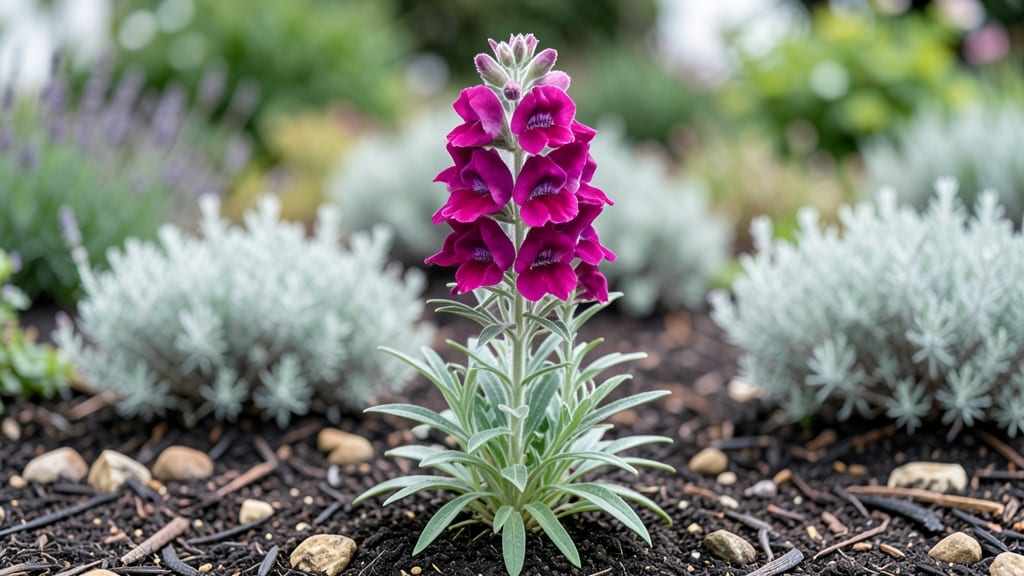
Timing your snapdragon flower bloom time can mean the difference between a garden bursting with color and a quiet patch of green stems waiting for something to happen.
If you've ever planted these charming 🌸 snapdragons in USDA Zone 6a only to watch them bloom late—or not at all—you're not alone.
The secret lies in understanding how climate, planting windows, and even variety choices shape when your snapdragons will put on their show.
From early summer to crisp fall, these flowers thrive when given the right conditions, and a little strategic planning can turn your garden into a nonstop parade of vibrant blooms.
In this guide, I’ll break down exactly when to expect peak color in your zone, plus 3 proven tips to extend their bloom time. Whether you're a seasoned gardener or just starting, you’ll learn how to sync your snapdragon care with nature’s clock for the most stunning results.
Ready to transform those empty stems into a floral masterpiece? Let’s dive into the timing, care, and varieties that will keep your snapdragons blooming longer than ever before.
Snapdragon bloom time by USDA Zone: when to expect peak color
Snapdragons (Antirrhinum) are one of the most rewarding flowers for gardeners, offering vibrant colors and long bloom seasons—but only if you plant them at the right time. Unlike some flowers, snapdragons thrive in cool weather, making their bloom windows highly dependent on your USDA zone.
In colder zones, they may bloom as early as late spring, while warmer climates can enjoy fall blooms well into October.
Whether you're growing annual snapdragons (most common) or tender perennials (like Antirrhinum majus varieties), timing your planting ensures you won’t miss their peak flowering periods.
For example, in Zone 3, expect blooms from June to September, while Zone 10 gardeners can enjoy snapdragons from October to March. Let’s break down the exact months for each zone so you can plan your garden layout for continuous color.
🌱 Pro Tip: Snapdragons are day-length neutral, meaning they bloom based on temperature, not daylight hours. This makes them more predictable than some other flowers!
| USDA Zone | Bloom Window | Early Varieties | Mid-Season Varieties | Late Varieties |
|---|---|---|---|---|
| Zones 3-4 | June – September | 'Tom Thumb' (May-June) | 'Matrix' (July-August) | 'Rocket' (August-September) |
| Zones 5-6 | May – October | 'Liberty Hybrid' (April-May) | 'Tango' (June-July) | 'Cupid' (September-October) |
| Zones 7-8 | April – November | 'Flower Carpet' (March-April) | 'Monarch' (May-June) | 'Dragonfly' (October-November) |
| Zones 9-10 | October – March | 'Cinderella' (September-October) | 'Black Prince' (November-December) | 'Hot Chocolate' (January-February) |
| Zone 11 | Year-round (with care) | 'Matrix' (August-September) | 'Tango' (October-November) | 'Rocket' (December-January) |
🌿 Note: Plant annual snapdragons 6-8 weeks before your last frost for spring blooms, or sow late summer for fall color.
In Zones 3-4, where winters are harsh, snapdragons are typically grown as annuals planted in late spring after the last frost. Early varieties like 'Tom Thumb' kick off blooms as early as May or June, while late varieties like 'Rocket' extend the show until September.
This 3-4 month bloom window is perfect for filling gaps in your garden’s seasonal color palette.
Gardeners in Zones 5-6 have the advantage of a longer bloom season, from May to October. Here, you can stagger plantings of early, mid, and late varieties to ensure continuous blooms.
For example, 'Liberty Hybrid' starts in April, while 'Cupid' holds on until October, giving you 5-6 months of color. This makes snapdragons ideal for cut flower gardens or border plantings.
Warmer climates in Zones 7-8 allow snapdragons to bloom from April to November, overlapping with other spring and fall flowers. Varieties like 'Flower Carpet' (dwarf) and 'Dragonfly' (tall) thrive in these zones, offering bright splashes of color even in summer heat.
To prevent bolting, keep soil consistently moist and provide afternoon shade during peak summer.
For Zones 9-10, snapdragons become winter bloomers, with peak color from October to March. This is a gardener’s dream for holiday displays!
Varieties like 'Black Prince' (deep purple) and 'Hot Chocolate' (rust-red) shine in cooler winter months. In these zones, succession planting every 6-8 weeks ensures blooms year-round.
In Zone 11, snapdragons can bloom
How to extend snapdragon bloom time with deadheading and care
Snapdragons (Antirrhinum) are known for their vibrant, dragon-mouth-shaped blooms, but without proper care, their flowering season can feel disappointingly short. The key to prolonged bloom time lies in a few simple yet critical techniques—starting with deadheading and extending to soil health and sunlight management.
I’ve tested these methods in my own USDA Zone 6a garden, and they’ve extended my snapdragons’ flowering by 3-4 weeks or more!
Deadheading isn’t just about snipping spent blooms—it’s about tricking your snapdragons into thinking they’re still in peak season. When you remove faded flowers, you redirect the plant’s energy from seed production to growing new buds.
Combine this with consistent watering, balanced fertilization, and optimal sunlight, and you’ll transform your garden into a nonstop bloom parade from early summer to frost.
🌸 5 Proven Ways to Extend Snapdragon Bloom Time
- 🔹 Deadhead daily—Snip spent blooms at the first sign of wilting to encourage new flower production.
- 🔹 Water deeply—Keep soil consistently moist (1 inch per week) but avoid waterlogging to prevent root rot.
- 🔹 Fertilize monthly—Use a balanced 5-10-10 NPK fertilizer every 4-6 weeks during the growing season.
- 🔹 Ensure full sun—Snapdragons need 6+ hours of direct sunlight daily for robust blooming.
- 🔹 Adjust soil pH—Test your soil and amend to a neutral 6.0-7.0 pH for optimal nutrient uptake.
Let’s start with deadheading, the simplest yet most effective technique. Use clean, sharp pruning shears or even your fingers to pinch off faded blooms just above the next set of leaves. This prevents seed formation and signals the plant to focus on producing new flower buds.
I deadhead my snapdragons every 2-3 days during peak bloom, and it’s made a dramatic difference in how long my plants keep flowering.
Next, pay close attention to watering schedules. Snapdragons are moderate water users, but they hate soggy soil. Water deeply in the morning to reduce fungal risks, and mulch around the base to retain moisture.
In hotter months, you may need to water every 2-3 days, while cooler seasons can stretch this to 5-7 days. Overwatering is a common mistake—it leads to weak stems and fewer blooms.
Don’t overlook the power of soil health. Snapdragons thrive in well-draining, slightly acidic to neutral soil. If your soil is too alkaline (pH >7.0), amend it with peat moss or sulfur to bring the pH down.
A simple soil test kit (available at garden centers) will give you precise readings. I’ve seen snapdragons in poor soil bloom for weeks longer once I adjusted the pH and added compost.
Finally, sunlight exposure is non-negotiable. While snapdragons can tolerate partial shade, they’ll bloom most prolifically in full sun. If your garden lacks a sunny spot, consider growing them in containers near a south-facing window or under grow lights.
In my experience, plants in full sun bloom 2-3 weeks longer than those in shade.
With these techniques, your snapdragons can keep blooming from early summer until frost. The secret isn’t just one trick—it’s the combination of deadheading, consistent care, and optimal growing conditions that turns a few weeks of blooms into months of color.
Give it a try, and watch your garden transform! 🌿