
Flowers
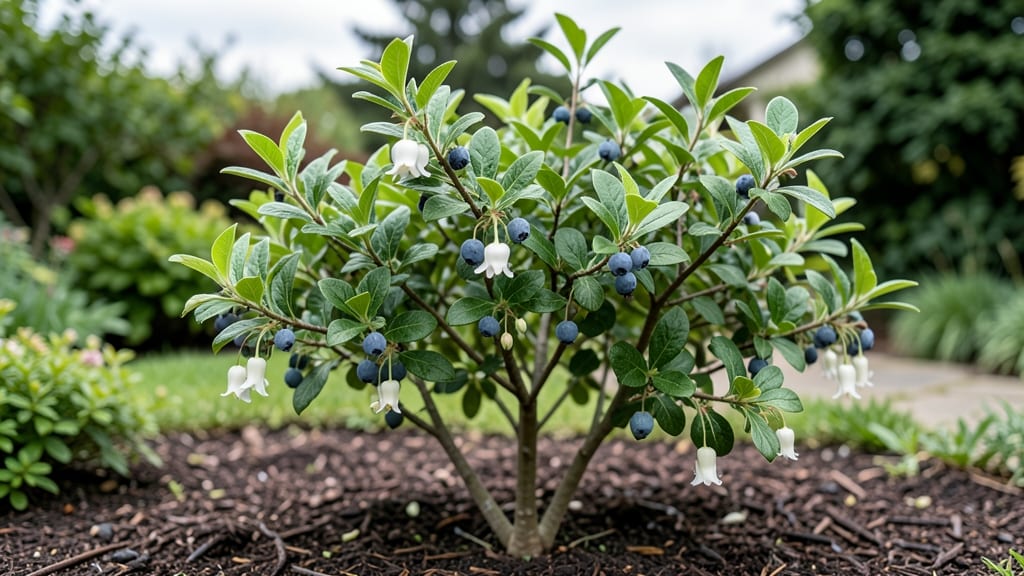
Watching your blueberry bushes go through the stages of flower to fruit transformation is one of the most rewarding parts of gardening—but without knowing what to expect each week, you might miss critical steps that affect your harvest.
From the first pink buds in spring to the deep blue berries ready for picking, understanding the stages blueberry flower to fruit undergo helps you time care perfectly. Whether it’s ensuring proper pollination or adjusting watering as the fruit swells, small details make all the difference.
I’ll walk you through exactly what to look for each week, including key visual cues like color changes and size progression. By the end, you’ll know how to troubleshoot issues and maximize your yield—so you’re not left wondering why some flowers didn’t turn into fruit.
Ready to turn those blossoms into a harvest? Let’s break down the process step by step, so you never miss a beat.
Week-by-week breakdown of blueberry flower to fruit stages
Watching blueberry flowers transform into fruit is one of the most rewarding parts of gardening. Each stage reveals what your plants need to thrive. From the first pink buds to deep blue berries, timing is everything.
Early-season varieties like 'Bluecrop' bloom first, followed by mid-season 'Duke' and late-season 'Jersey.' Understanding these stages helps you adjust care—like watering and pollination support—to maximize your harvest.
Blueberry flowers emerge in late winter or early spring, typically between February and April, depending on your USDA zone. The process unfolds over 8-12 weeks, with each week bringing visible changes.
Pay attention to color shifts, fruit size, and stem development to track progress accurately. Miss a stage, and you might lose fruit due to poor pollination or environmental stress.
Here’s a week-by-week guide to blueberry flower development, including key visual cues and care tips for each phase. Use this as your roadmap to a bountiful harvest.
| Week | Stage | Visual Cues | Care Tips |
|---|---|---|---|
| 1-2 | Bud Formation | Tight green buds appear on stems; no color yet. | Monitor for frost damage; cover if temps drop below 28°F. |
| 3-4 | Bloom Opening | Flowers open as pink buds; white/pink petals emerge. | Ensure bees visit daily; hand-pollinate if needed. |
| 5-6 | Pollination & Fruit Set | Small green berries (pea-sized) form; petals fall. | Water deeply 2x/week; avoid overhead watering. |
| 7-8 | Rapid Growth | Berries grow to marble size; turn reddish-pink. | Apply balanced fertilizer (10-10-10) for energy. |
| 9-10 | Color Change | Berries darken to deep blue; waxy coating develops. | Reduce watering slightly to prevent splitting. |
| 11-12 | Ripening | Berries are plump, glossy, and fully blue; easy to pluck. | Harvest in morning for best flavor and shelf life. |
Week 1-2 marks the start of your blueberry’s journey with bud formation. These tiny green buds are your first sign that the plant is preparing for bloom. Protect them from late frosts, which can kill emerging flowers.
Use frost cloth if temperatures dip below 28°F, as damaged buds won’t open properly. This is also the time to prune any dead or crossing branches to improve air circulation and reduce disease risk.
By weeks 3-4, you’ll see the magic of bloom opening. Flowers unfurl into delicate white or pink blossoms, signaling the pollination window. Blueberries rely on bees and other pollinators, so ensure your garden is buzzing with activity.
If you notice few bees, hand-pollinate using a small brush to transfer pollen between flowers. This stage is critical—poor pollination leads to fruit drop later.
Weeks 5-6 bring fruit set, where tiny green berries appear. These are your first pea-sized fruits, and their development depends on successful pollination. Water deeply twice a week to support growth, but avoid wetting the flowers to prevent fungal diseases like botrytis blight.
Mulch around the base to retain moisture and keep roots cool.
During weeks 7-8, berries enter rapid growth mode. You’ll notice them swelling to marble size and turning a reddish-pink hue. This is when they’re most vulnerable to bird damage, so consider netting if birds are a problem in your area.
Feed your plants with a balanced fertilizer (like 10-10-10) to provide the nutrients they need for energy.
Weeks 9-10 are all about color change. Berries darken to their signature deep blue, and a waxy coating forms to protect them. Reduce watering slightly during this phase to prevent the berries from splitting due to rapid growth.
Overwatering now can lead to cracked fruit, which spoils quickly. Keep an eye out for pests like blueberry maggots and treat early if needed.
The final stretch, weeks 11-12, is when berries reach harvest readiness. They’ll be plump, glossy, and fully blue, with a slight give when gently squeezed. Harvest in the morning when temperatures are cool to preserve flavor and texture.
Use scissors or your fingers to pick berries, leaving the stem intact to avoid bruising. Store them in the fridge for up to a week or freeze for longer storage.
Understanding these stages helps you anticipate needs and adjust care at the right time. Whether you’re growing early, mid, or late-season varieties, this timeline ensures you
Critical factors that affect blueberry fruit development
Blueberry bushes rely on a delicate balance of environmental conditions and care practices to successfully transition from flowers to fruit. Even small disruptions during critical stages—like pollination or fruit set—can drastically reduce your harvest. Understanding these factors helps you intervene before problems escalate.
For example, temperature swings during bloom can cause flower drop, while inconsistent watering later in the season leads to cracked berries. Pruning at the wrong time may remove next year’s fruit buds. Each stage demands specific attention to avoid common pitfalls.
🚨
Flowering Stage (Weeks 1-2): Frost damage or poor pollination (lack of bees) causes flower drop. Ensure temps stay above 50°F and hand-pollinate if needed.
Fruit Set (Weeks 3-4): Water stress or nutrient deficiency leads to small, underdeveloped berries. Maintain consistent moisture and use acid-loving fertilizer.
Rapid Growth (Weeks 5-6): Overwatering or fungal diseases (like mummy berry) appear. Space waterings and apply copper fungicide preventatively.
Ripening (Weeks 7-8): Birds or cracked berries from uneven watering reduce yield. Use bird netting and mulch to retain moisture.
Let’s start with pollination, the first critical hurdle. Blueberries are self-pollinating, but bees and wind play key roles in transferring pollen. If your bushes are isolated or blooming during cold, rainy weather, you may need to hand-pollinate with a small brush.
I’ve found that gently shaking branches on a warm, sunny day boosts success.
Next, temperature and sunlight directly impact fruit development. Blueberries thrive in full sun (6-8 hours daily), but late frosts after buds open can kill flowers. If frost is forecasted, cover bushes with frost cloth or use row covers.
Even mild heat stress (above 90°F) can cause berries to split or drop prematurely.
Watering becomes even more critical as fruit swells. Inconsistent moisture leads to cracked berries or poor flavor. Aim for 1-1.5 inches of water weekly, delivered deeply at the base.
Drip irrigation works best to avoid wetting leaves, which reduces fungal diseases like botrytis. I’ve seen berries double in size when watered correctly during this phase.
Finally, pruning mistakes can sabotage future harvests. Prune after harvest (not during flowering) to remove dead wood and overcrowded branches. Avoid heavy pruning in early spring, as it removes next year’s fruit buds. I recommend thinning out 10-20% of old wood annually to improve airflow and light penetration.